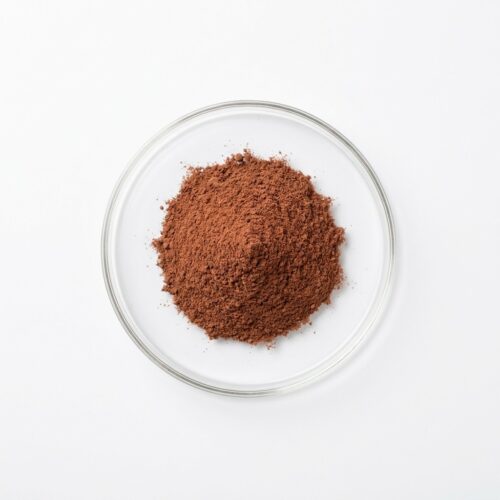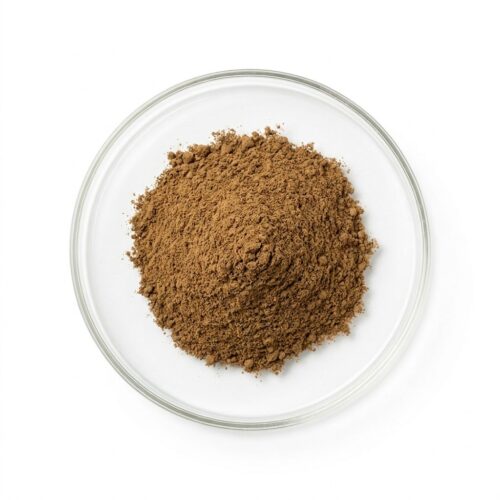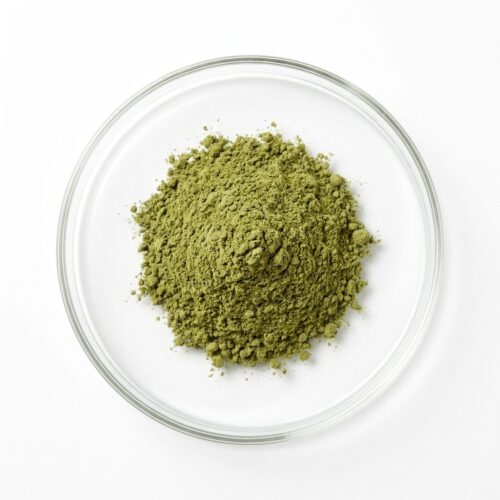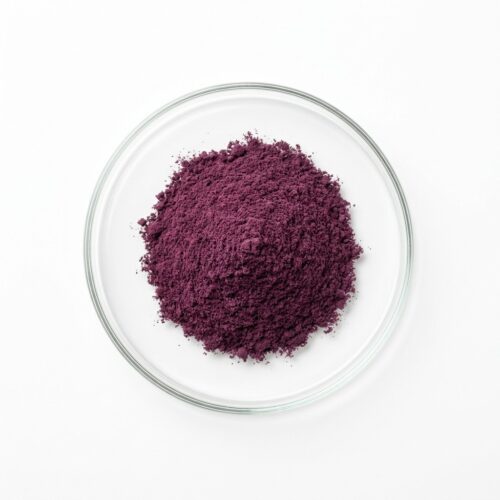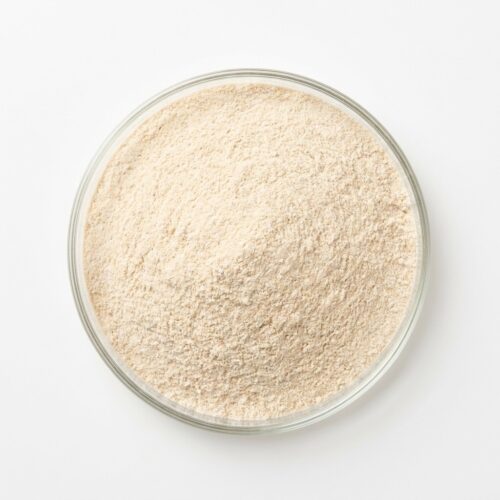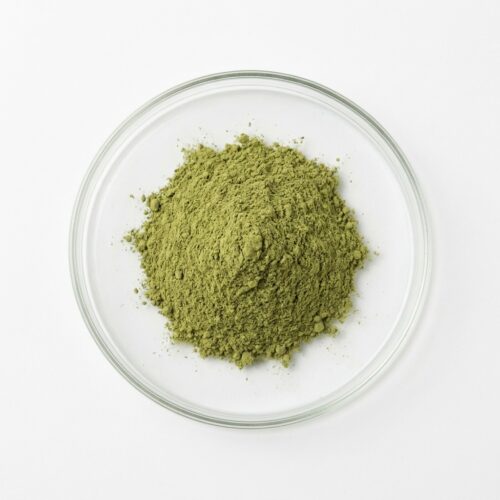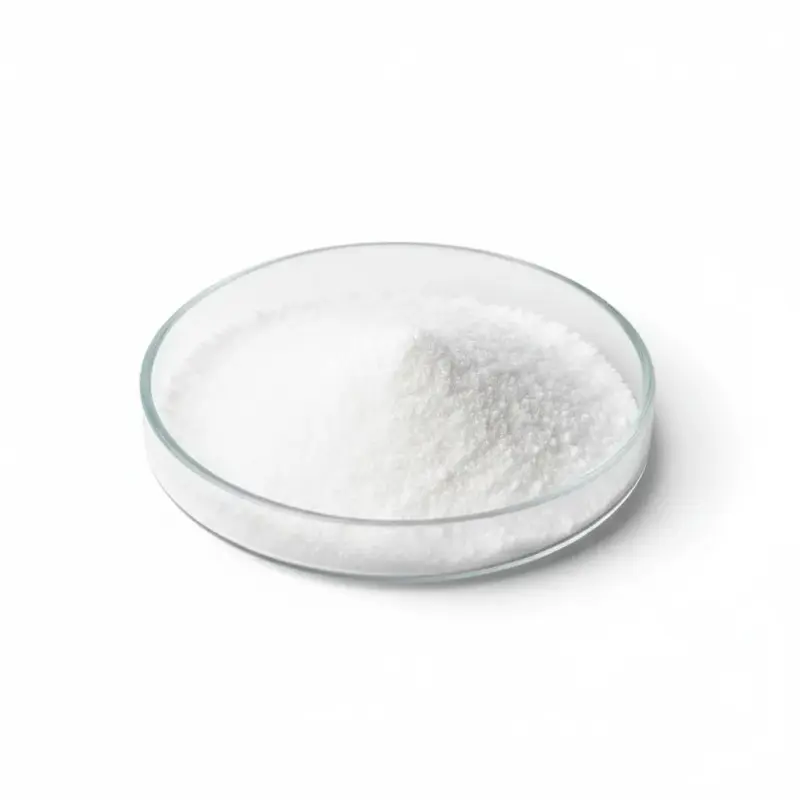
Kojic Acid is a naturally occurring chelation agent and tyrosinase inhibitor produced as a byproduct during the fermentation of Aspergillus oryzae (koji fungus), traditionally used in Japanese sake and soy sauce production. With a purity of more than 98% (HPLC), this high-grade Kojic Acid is one of the most widely used skin brightening and depigmentation actives in both cosmeceutical and ingestible beauty formulations globally.
Kojic Acid works by inhibiting tyrosinase — the copper-containing enzyme that catalyses the rate-limiting step in melanin biosynthesis. By blocking this step, Kojic Acid effectively reduces melanin production, lightening existing hyperpigmentation and preventing the formation of new dark spots.
Applications:
- Cosmeceuticals (skin brightening serums, whitening creams, dark spot correctors, fade creams)
- Personal Care (brightening soaps, toners, exfoliants, sunscreen formulations)
- Beauty Supplements (oral skin brightening capsules, ingestible whitening blends)
- Food Industry (natural antioxidant and colour preservation in food processing)
Key Features & Benefits:
- Kojic Acid >98% (HPLC) – pharmaceutical grade purity
- Potent tyrosinase inhibitor for effective skin brightening and depigmentation
- Naturally fermentation-derived ingredient
- Synergistic with Alpha Arbutin, Vitamin C, and glutathione
- Suitable for topical, oral supplement, and food preservation applications
Stability is the formulation problem
Kojic acid is effective but unstable. Light, heat and traces of iron turn it yellow to brown over time. It chelates metal ions — part of how it works, and also why iron makes it discolour. Formulate in a mildly acidic range, add it late in the process, include a chelating agent, keep iron out of the process, and use opaque packaging. Where stability matters more than potency, kojic dipalmitate, an oil-soluble ester, is a more stable alternative — but it is a different ingredient with its own specification and use levels.
Permitted use levels differ by market
Limits for kojic acid in cosmetics are not uniform. In the EU, the scientific safety committee concluded it is safe up to 1% in face and hand products; other markets set their own rules. Confirm the limit for each market you sell into before fixing a use level. Food use is regulated separately and is not approved in several major markets, so check before positioning kojic acid for food.
What to ask for on the certificate of analysis
- Assay by HPLC.
- Appearance and colour — white to off-white; yellowing indicates degradation.
- Melting range and loss on drying.
- Iron and other heavy metals — iron in particular, because it drives discolouration.
- A mycotoxin (aflatoxin) statement, since kojic acid is produced by Aspergillus fermentation.
- Microbiological profile for leave-on products.
Related ingredients
Commonly compared or combined in brightening formulas: Alpha Arbutin and Hyaluronic Acid (see our hyaluronic acid & sodium hyaluronate guide).