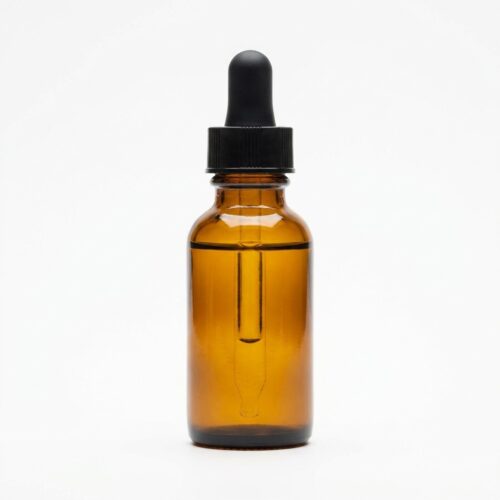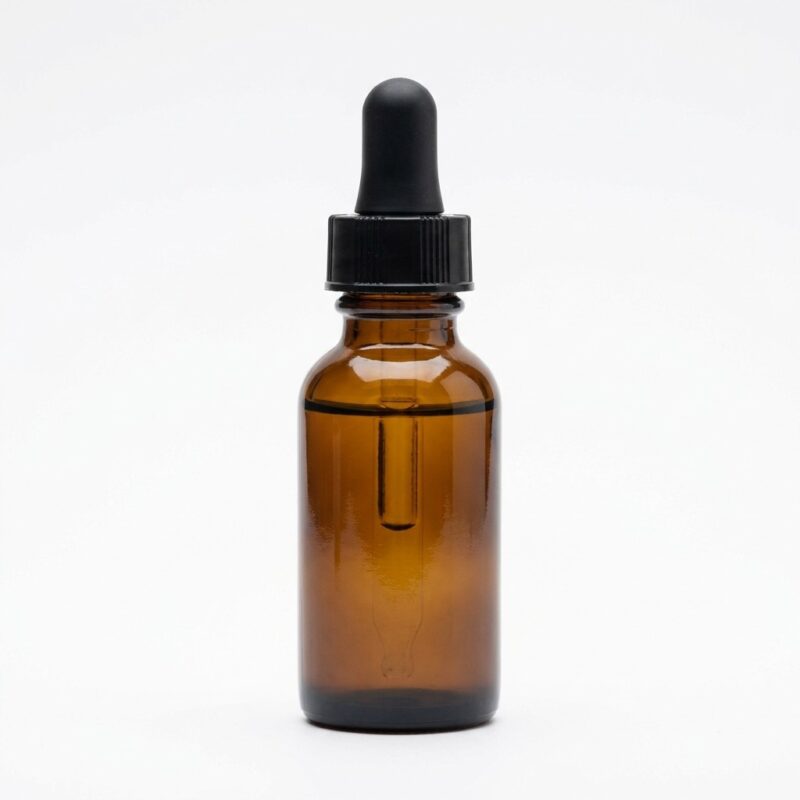
Cinnamon Cassia Essential Oil is a therapeutic-grade oil steam-distilled from the bark and twigs of Cinnamomum cassia (Chinese cinnamon), presenting as a brownish yellow liquid. The less expensive and more widely produced counterpart to Ceylon Cinnamon Bark Oil, Cassia Oil contains an even higher concentration of cinnamaldehyde (85–95%) — delivering a powerful, intensely warm, spicy-sweet aroma widely used in perfumery, flavouring, and natural antimicrobial applications.
Applications:
- Flavouring (food and beverage industry spice flavouring)
- Fine Fragrance (warm, spicy oriental fragrance accords)
- Aromatherapy (warming, immune-boosting, and grounding diffuser blends)
- Natural Antimicrobial (surface care and cleaning product formulations)
Key Features & Benefits:
- Brownish yellow – authentic Cassia bark oil with high cinnamaldehyde
- No animal substance – suitable for vegan and Halal-compliant formulations
- 85–95% cinnamaldehyde – highly potent antimicrobial and flavouring agent
- Warm, powerful spicy-sweet character for fragrance and flavour applications
- Cost-effective cinnamon oil for high-volume formulation use
Cassia versus Ceylon cinnamon
Cassia oil comes from Cinnamomum cassia (Chinese cinnamon), and commercial oil is largely distilled from the leaves and twigs as well as the bark. Like Ceylon Cinnamon Bark Oil it is dominated by cinnamaldehyde, but it contains little eugenol and carries two markers that Ceylon bark oil largely lacks: o-methoxycinnamaldehyde and a significant level of coumarin. Those markers are how analysts spot cassia used to extend the more expensive Ceylon oil.
Coumarin
Coumarin matters in both markets. In cosmetics it is a declarable fragrance allergen. In food, coumarin may not be added as such under EU flavouring rules, and maximum levels apply to certain foods where it comes from cinnamon-type flavourings; brands exporting flavoured products should check the coumarin figure against the target market’s limits.
Sensitisation
Cinnamaldehyde (INCI: cinnamal) is a potent skin sensitiser restricted by IFRA and a declarable allergen, so skin-contact use is at low levels set by the finished-product safety assessment. For a eugenol-led alternative, see Cinnamon Leaf Oil.
What to ask for on the certificate of analysis
- Species (Cinnamomum cassia), plant parts distilled and INCI name
- GC profile with cinnamaldehyde, o-methoxycinnamaldehyde and coumarin quantified
- Physical constants: relative density, refractive index
- Declarable fragrance allergens (cinnamal, coumarin) and a current IFRA certificate
- Food or cosmetic grade, with coumarin reported for food use
- Country of origin and batch number