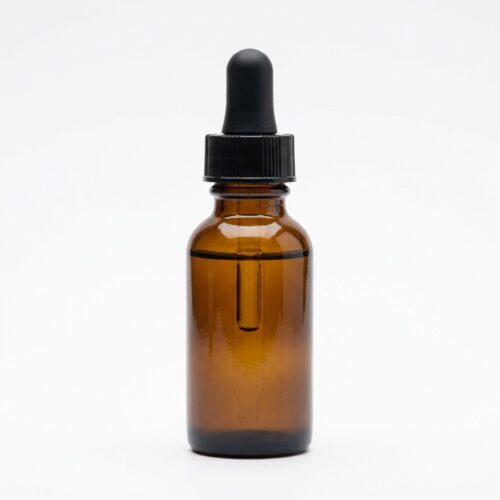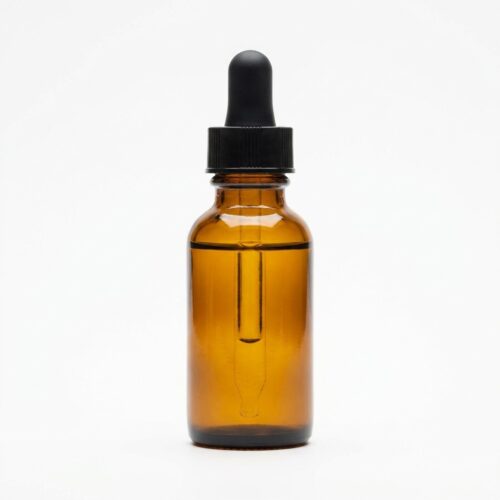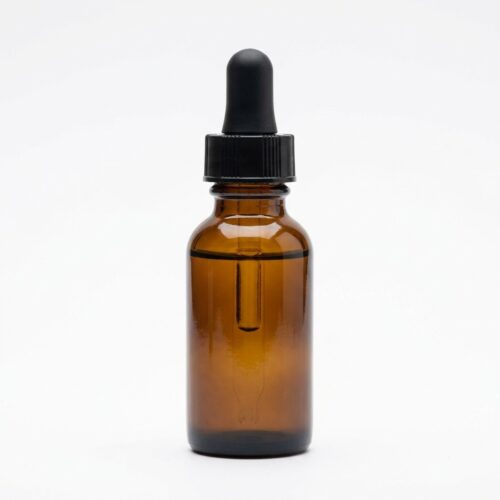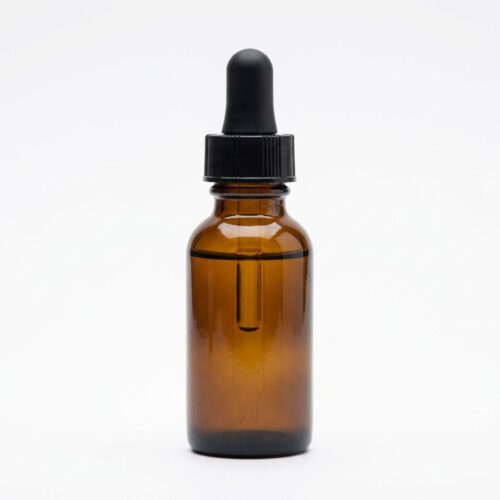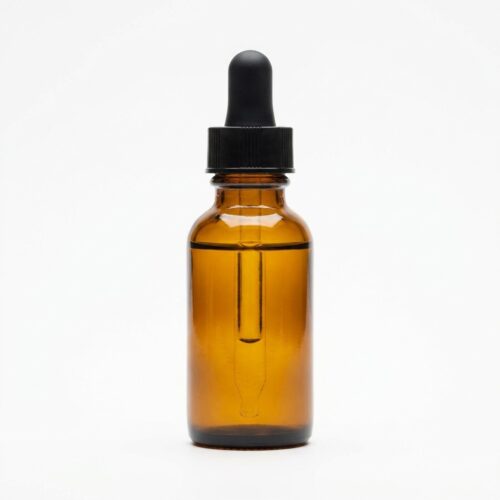
Lemon Eucalyptus Essential Oil is a therapeutic-grade oil steam-distilled from the leaves of Eucalyptus citriodora (lemon-scented gum), presenting as a pale yellow transparent liquid. Distinctly different from standard Eucalyptus globulus, Lemon Eucalyptus Oil is dominated by citronellal (up to 80%) rather than 1,8-cineole — giving it a fresh, lemony-green, slightly sweet character rather than a camphorous eucalyptus scent. It is scientifically validated as one of the most effective natural insect repellents available — the CDC-approved active PMD (para-menthane-3,8-diol), derived from Lemon Eucalyptus, is among the few natural alternatives rated equivalent to DEET for mosquito repellency.
Applications:
- Natural Insect Repellents (CDC-recognised mosquito repellent formulations)
- Personal Care (insect-repellent body sprays, outdoor protection products)
- Aromatherapy (fresh, uplifting, and purifying diffuser blends)
- Cleaning Products (natural antimicrobial and freshening cleaning formulations)
Key Features & Benefits:
- Pale yellow transparent – authentic Eucalyptus citriodora oil
- No animal substance – suitable for vegan and Halal-compliant formulations
- CDC-recognised natural mosquito repellent – among the most effective natural alternatives to DEET
- Fresh lemony-green aroma distinct from standard eucalyptus
- High citronellal for both insect repellency and antimicrobial properties
Essential oil versus OLE and PMD
Three materials share the lemon eucalyptus name, and only some of them are repellent actives. The essential oil, as on this page, is steam-distilled from Corymbia (formerly Eucalyptus) citriodora leaves and is led by citronellal, with citronellol and isopulegol. “Oil of lemon eucalyptus” (OLE) in the regulatory sense is a refined product in which much of the citronellal has been converted into para-menthane-3,8-diol (PMD). PMD is also made synthetically. Regulators such as the US EPA register OLE/PMD, not the raw essential oil, as the repellent active, and public-health guidance that recommends OLE refers to those registered products.
Claims
Insect-repellent claims on a finished product are regulated as pesticide or biocide claims in many markets and need an approved active and product registration. The essential oil can be used for its fresh lemony odour in personal-care and household fragrance without such claims; any repellent positioning needs regulatory review for the target market. Compare Citronella Oil, which raises the same question.
Composition and stability
Citronellal content is the main quality marker. The oil is distinct from cineole-rich Eucalyptus Oil and should not be substituted for it. Store sealed, cool and dark to limit oxidation.
What to ask for on the certificate of analysis
- Species (Corymbia citriodora, syn. Eucalyptus citriodora) and plant part (leaves)
- Confirmation that the product is the essential oil, not refined OLE or PMD
- GC profile with citronellal, citronellol and isopulegol quantified
- Physical constants: relative density, refractive index, optical rotation
- Declarable fragrance allergens and a current IFRA certificate
- Country of origin and batch number