L-Glutamine is the most abundant free amino acid in the human body, playing a critical role in muscle protein synthesis, gut mucosal integrity, and immune function. As a conditionally essential amino acid, demand exceeds synthesis during periods of physical stress, illness, or intense training, making supplementation highly effective for athletes, post-surgical recovery, and individuals with gut permeability concerns.
Applications:
- Sports nutrition (muscle recovery, anti-catabolism, post-workout)
- Gut health supplements (leaky gut, IBS, intestinal barrier support)
- Immune support formulations
- Clinical nutrition and medical foods
Key Features & Benefits:
- Most abundant amino acid in skeletal muscle and blood plasma
- Supports intestinal mucosal integrity and gut barrier function
- Conditionally essential during high physical or metabolic stress
- No animal substance – suitable for halal and vegan formulations
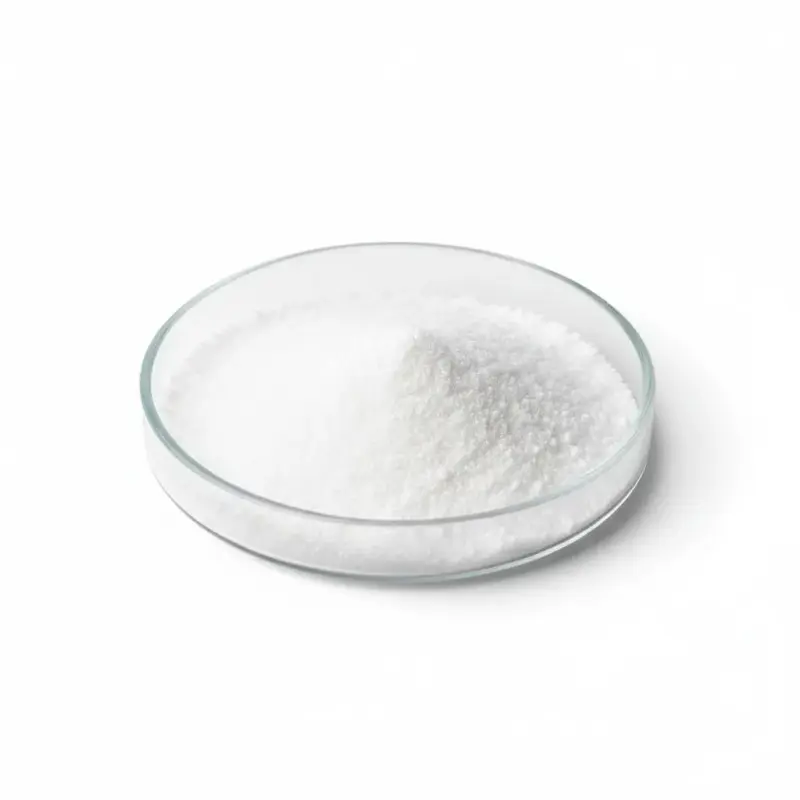
- Free-flowing white powder, highly water-soluble
Stability is the main formulation issue
L-glutamine is stable as a dry powder but not in solution. In water, especially with heat or acid, it slowly converts to pyroglutamic acid and ammonia. That makes it unsuitable for most ready-to-drink beverages and heat-processed products. Dry powders that are mixed just before use avoid the problem. The dipeptide alanyl-glutamine is more stable in solution and is a different ingredient.
Production and quality
Commercial L-glutamine is made by fermentation. Buy against a pharmacopoeial or food specification, and check the L-form by specific optical rotation. Ask for the fermentation substrate and a GMO statement if your market needs one.
Dose and handling
Glutamine is used at gram-level doses, so dispersibility and taste in powders matter more than in capsules. It has a mild taste and dissolves moderately in water. Other amino acids in the range include Taurine and L-Arginine.
What the research says
- A 2018 meta-analysis of 25 trials in athletes found that glutamine supplementation generally had no effect on the immune system, aerobic performance or body composition. It did find a greater reduction in body weight (1.36 kg). [1]
These summaries describe published research on the ingredient. They are not claims for any finished product; claims on finished products must meet the rules of the market where they are sold.
References
- Ramezani Ahmadi A, et al. The effect of glutamine supplementation on athletic performance, body composition, and immune function: a systematic review and a meta-analysis of clinical trials. Clin Nutr. 2018;38(3):1076–1091. doi:10.1016/j.clnu.2018.05.001
What to ask for on the certificate of analysis
- Specification the batch conforms to (e.g. USP, Ph. Eur., AJI, FCC)
- Assay and specific optical rotation
- Related substances, including other amino acids and pyroglutamic acid
- Loss on drying and residue on ignition
- Heavy metals and ammonium
- Fermentation substrate and GMO statement
- Halal certificate, batch number, manufacture and retest dates