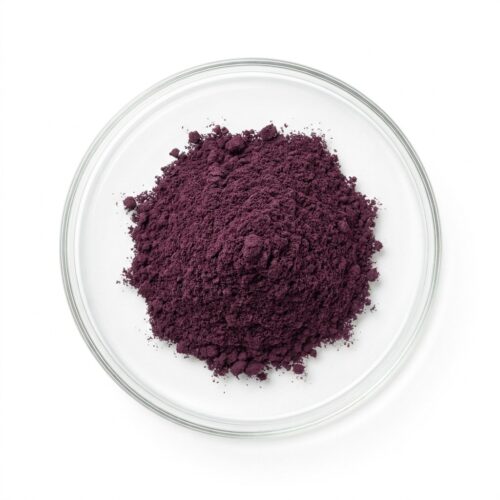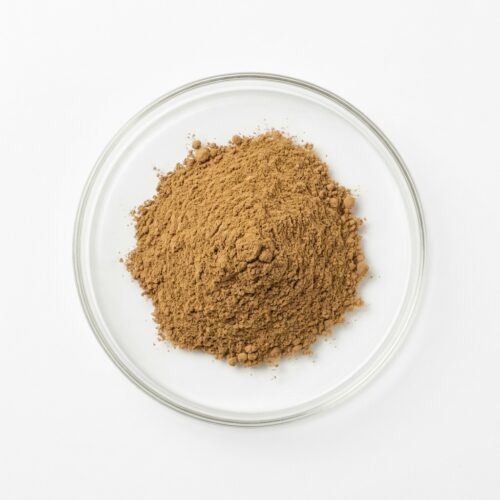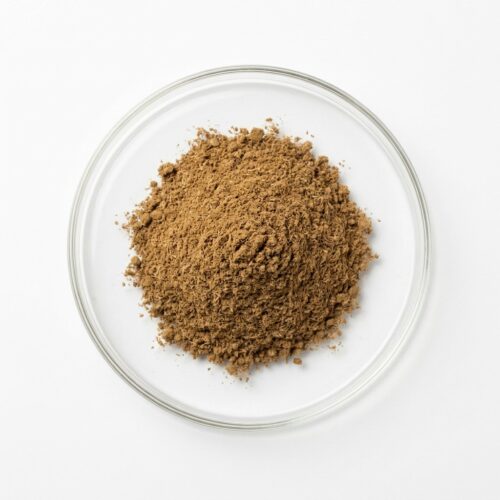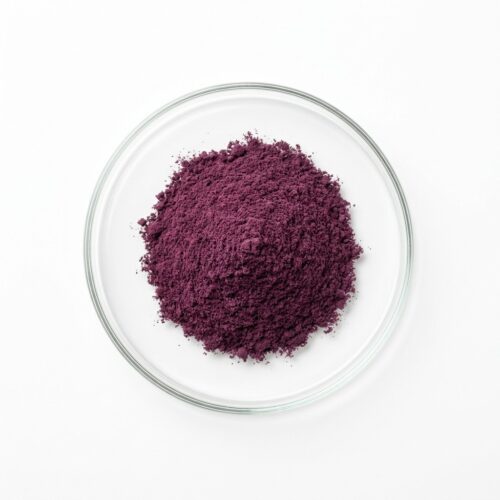
Folic Acid (Vitamin B9) is an essential B-vitamin critical for DNA synthesis, cell division, and the prevention of neural tube defects during pregnancy. It is one of the most widely mandated fortification nutrients globally and plays a central role in homocysteine metabolism, cardiovascular health, and red blood cell formation.
Applications:
- Prenatal and maternal health supplements
- Food and beverage fortification (flour, cereals, beverages)
- Cardiovascular health formulations (homocysteine reduction)
- General multivitamin and B-complex supplements
Key Features & Benefits:
- Clinically essential for neural tube defect prevention
- Critical cofactor in DNA synthesis and cell replication
- Reduces homocysteine — key cardiovascular risk marker
- No animal substance – suitable for halal and vegan formulations
- Yellow crystalline powder, food and USP grade available
Folic acid and folate
Folic acid (pteroylmonoglutamic acid) is the synthetic, stable form of vitamin B9 used in supplements and food fortification. “Folate” covers the natural food forms and also the active form 5-methyltetrahydrofolate (5-MTHF), which is sold as separate ingredients with different specifications and costs. Some markets label folate as dietary folate equivalents (DFE), so check the labelling rules before setting the amount per serving.
Dosing in micrograms
Folic acid is dosed in micrograms per serving, so content uniformity is the main manufacturing risk. Pure folic acid is almost always added through a diluted premix or trituration rather than directly. Overages are common because folic acid degrades with light, heat and acidity, especially in liquids. Protect it from light in storage and in the finished pack.
Upper limits
Many authorities set a tolerable upper intake level for folic acid from supplements and fortified foods. Formulators should check the limit and the permitted amounts in each target market, particularly for products combining several fortified sources.
Related prenatal ingredients
Folic acid is often formulated with iodine and inositol: see Potassium Iodide and Inositol.
What the research says
- A 2015 Cochrane review of 5 trials (7,391 women) found that daily folic acid, alone or with other vitamins and minerals, reduced neural tube defects (risk ratio 0.31; 6,708 births; high-quality evidence), including their recurrence. It found no clear effect on other birth defects such as cleft lip or palate. [1]
- A 2026 Cochrane review found that in people treated for malaria with antifolate drugs, folic acid supplements (mostly above 1 mg/day) reduced parasite clearance and increased treatment failure. One trial at 400 µg/day showed little to no difference. [2]
These summaries describe published research on the ingredient. They are not claims for any finished product; claims on finished products must meet the rules of the market where they are sold.
References
- De-Regil LM, et al. Effects and safety of periconceptional oral folate supplementation for preventing birth defects. Cochrane Database Syst Rev. 2015;(12):CD007950. doi:10.1002/14651858.CD007950.pub3
- Qi YP, et al. Folic acid supplementation and malaria susceptibility and severity among people taking antifolate antimalarial drugs in endemic areas. Cochrane Database Syst Rev. 2026;2(2):CD014217. doi:10.1002/14651858.CD014217.pub2
What to ask for on the certificate of analysis
- The pharmacopoeia or specification the batch conforms to (e.g. USP, Ph. Eur.)
- Assay (on the anhydrous basis) and water content
- Related substances (impurities) by HPLC
- Residue on ignition and heavy metals
- For premixes: carrier, folic acid content and content uniformity
- Microbiology
- Halal certificate, batch number, manufacture and retest dates