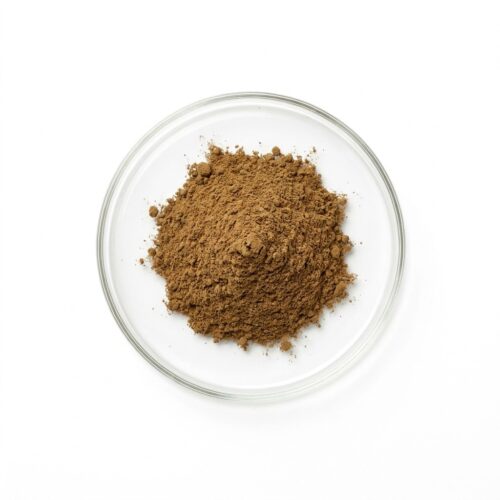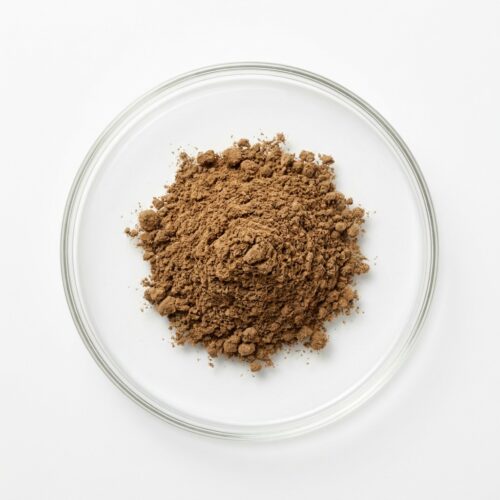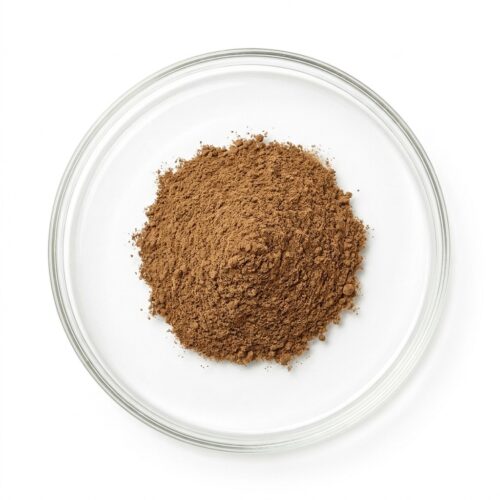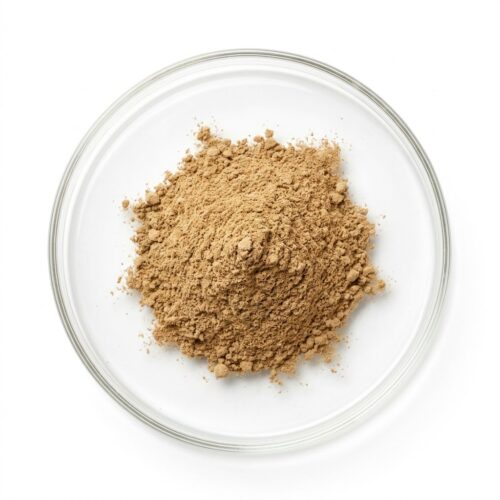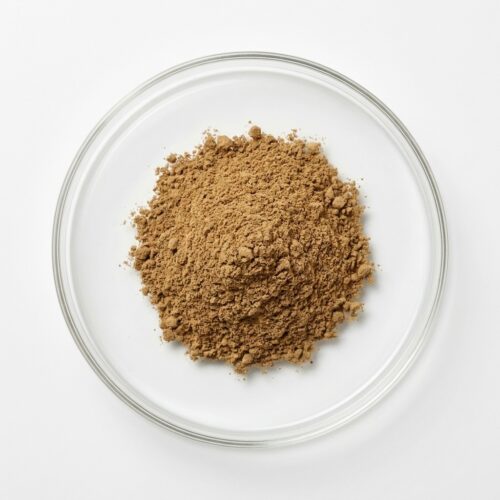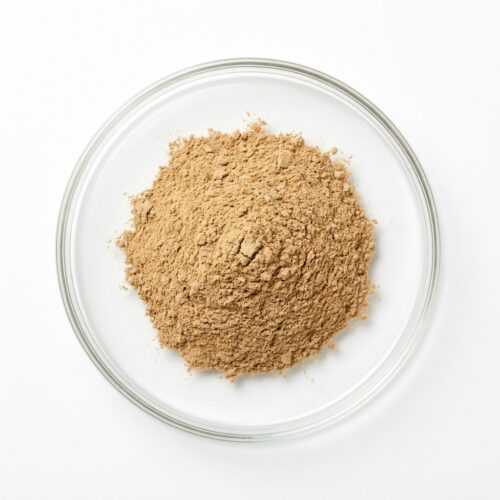
St. John’s Wort (Hypericum perforatum) is the most extensively clinically studied herbal antidepressant, with over 30 randomised controlled trials demonstrating efficacy comparable to SSRIs for mild-to-moderate depression with significantly fewer side effects. Its primary bioactives — hypericin and hyperforin — modulate serotonin, dopamine, and norepinephrine reuptake and are standardised to 0.3% hypericin and 3–5% hyperforin in pharmaceutical-grade extracts.
Applications:
- Mood support and mild depression supplement formulations
- Anxiety and nervous system calming products
- Seasonal affective disorder (SAD) support formulations
- Sleep quality and nervous system tonic supplements
Key Features & Benefits:
- Most clinically studied herbal antidepressant — 30+ RCTs
- Hypericin and hyperforin — dual neurotransmitter reuptake modulation
- Comparable to SSRIs for mild-moderate depression with better tolerability
- No animal substance – halal-certified
- Standardised to 0.3% hypericin for consistent potency
Hypericin and hyperforin are measured differently
St John’s wort extract is made from the flowering tops of Hypericum perforatum. Its two marker groups are hypericins (naphthodianthrones) and hyperforin (a phloroglucinol). Hypericin is often measured as “total hypericins” by UV, which counts the whole hypericin group and so reads higher than HPLC of hypericin alone. Ask which method a 0.3% hypericin figure uses. Hyperforin is sensitive to light and oxygen and can fall during storage.
Interactions are the main safety issue
St John’s wort is known to lower the blood levels of some medicines when taken together, which is the most important consideration for any finished product. Plan for an interaction warning on the label. Hypericin can also increase sensitivity to sunlight.
Check the rules before formulating
Many countries regulate St John’s wort as a medicine rather than a food supplement. Confirm its status in your target market before you develop a product. For calming formulations, see also Lemon Balm Extract.
What the research says
- A 2016 systematic review of 35 studies (6,993 patients) found that St John’s wort produced more treatment responders than placebo in mild and moderate major depression, with no difference from antidepressant medication and fewer adverse events. Results varied widely between trials, severe depression was not studied, and rare side effects could not be assessed. [1]
- A 2017 meta-analysis of 27 trials (3,808 patients) comparing St John’s wort with SSRIs found similar response and remission rates and lower dropout. All trials lasted 4 to 12 weeks, so long-term efficacy and safety are unknown. [2]
- A 2026 systematic review of clinical herb–drug interaction studies listed Hypericum perforatum among the plants most often implicated in clinically relevant interactions; reduced plasma drug levels were the most frequent consequence across the plants reviewed. [3]
These summaries describe published research on the ingredient. They are not claims for any finished product; claims on finished products must meet the rules of the market where they are sold.
References
- Apaydin EA, et al. A systematic review of St. John’s wort for major depressive disorder. Syst Rev. 2016;5(1):148. doi:10.1186/s13643-016-0325-2
- Ng QX, et al. Clinical use of Hypericum perforatum (St John’s wort) in depression: a meta-analysis. J Affect Disord. 2017;210:211-221. doi:10.1016/j.jad.2016.12.048
- Zambrano-Villacres R, et al. Herb-drug interactions with clinical impact: a systematic review of global clinical evidence on medicinal plants widely used in Ecuador. J Ethnopharmacol. 2026;372:122220. doi:10.1016/j.jep.2026.122220
What to ask for on the certificate of analysis
- Botanical name and plant part (Hypericum perforatum flowering tops)
- Extraction solvent and carrier with its percentage
- Hypericin content with method (UV total hypericins or HPLC), and hyperforin if specified
- Identity test (HPLC fingerprint)
- Loss on drying, heavy metals (lead, arsenic, cadmium, mercury) and pesticide residues
- Microbiology: total plate count, yeast and mould, E. coli, Salmonella
- Batch number, manufacture and retest dates