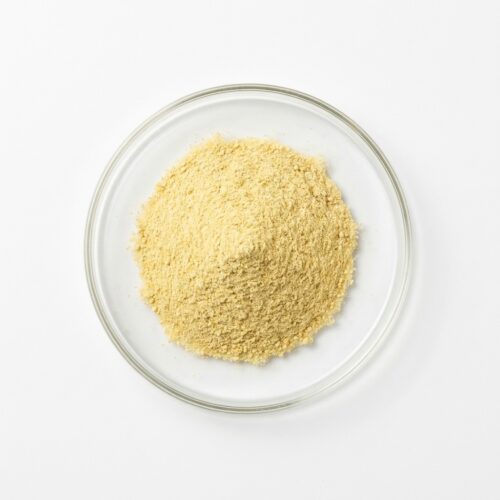
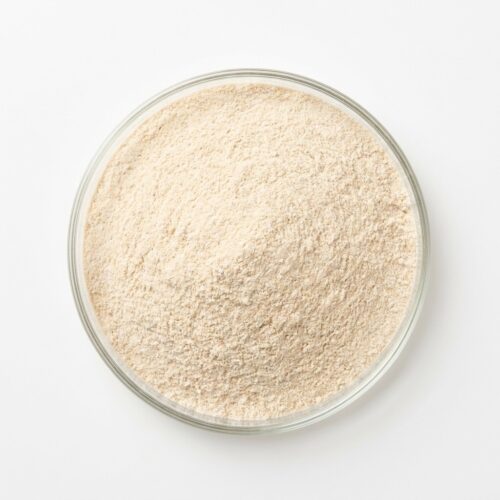
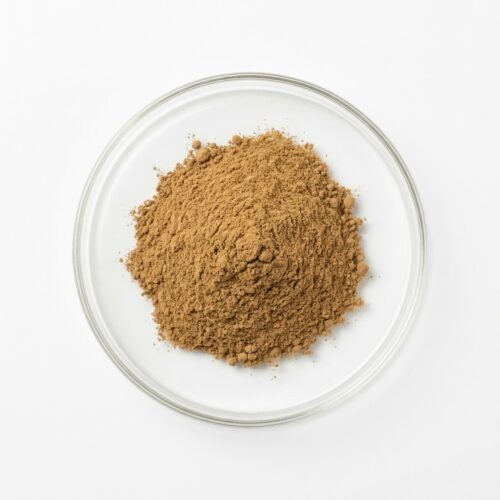
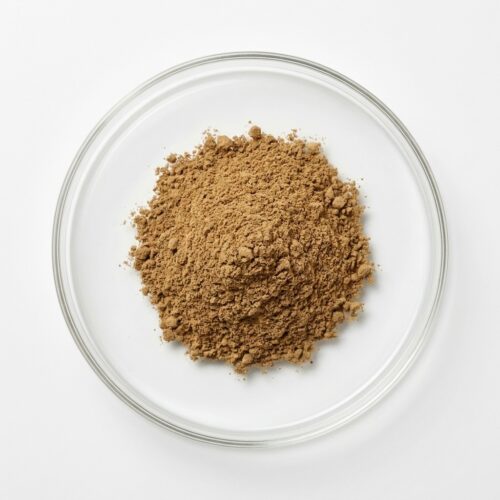
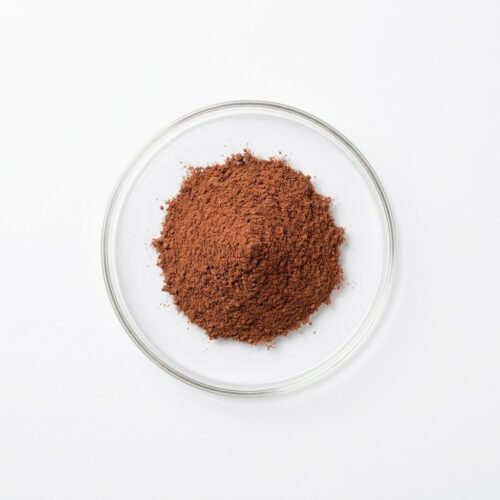
White Willow Bark (Salix alba) is standardised for salicin — the natural precursor to salicylic acid from which aspirin was originally derived. Unlike synthetic aspirin, willow bark delivers salicin along with accompanying polyphenols (flavonoids, tannins) that provide complementary anti-inflammatory, analgesic, and antipyretic effects through COX enzyme inhibition, with a gentler gastrointestinal profile than NSAIDs.
Applications:
- Natural pain relief and anti-inflammatory supplement formulations
- Back pain and musculoskeletal pain management products
- Fever management and antipyretic natural formulations
- Sports recovery and inflammation management supplements
Key Features & Benefits:
- Salicin — natural aspirin precursor with gentler GI profile
- COX inhibitor — anti-inflammatory and analgesic action
- Clinically studied for lower back pain comparable to rofecoxib
- No animal substance – halal-certified
- Available in 15% and 25% salicin standardised forms
Salicin is measured as a total
Willow bark contains salicin together with related salicylic alcohol derivatives such as salicortin. Pharmacopoeial methods usually convert these to salicin and report “total salicin” by HPLC, while some suppliers report free salicin only. A 15% figure by one method is not the same as 15% by the other, so ask which one the COA uses.
Species matters
Commercial “willow bark” can come from several Salix species, and their salicin content differs. White willow (Salix alba) is one of them. Ask for the species on the specification, and check that the salicin grade you need is consistent from batch to batch.
Salicylate labelling
Salicin is a salicylate precursor. Products containing salicylates often carry warnings for people who are sensitive to aspirin, for children, and for people on blood-thinning medicines. Check the requirements of your market. For other joint-category botanicals, see Boswellia Serrata Extract and Curcumin Powder Extract.
What the research says
- A 2009 systematic review found moderate evidence that ethanolic willow bark extract helps low back pain: one confirmatory and two exploratory studies showed a dose-dependent pain-relieving effect not inferior to rofecoxib. Results in osteoarthritis were conflicting, and an underpowered study found no effect in rheumatoid arthritis. Studies used up to 240 mg salicin a day for up to six weeks; adverse events were minor. [1]
- A 2019 evidence review for military practice, using GRADE, recommended against willow bark extract for chronic musculoskeletal pain, and said the overall evidence for dietary ingredients was not robust enough for definitive guidelines. [2]
These summaries describe published research on the ingredient. They are not claims for any finished product; claims on finished products must meet the rules of the market where they are sold.
References
- Vlachojannis JE, Cameron M, Chrubasik S. A systematic review on the effectiveness of willow bark for musculoskeletal pain. Phytother Res. 2009;23(7):897-900. doi:10.1002/ptr.2747
- Crawford C, et al. Dietary ingredients as an alternative approach for mitigating chronic musculoskeletal pain: evidence-based recommendations for practice and research in the military. Pain Med. 2019;20(6):1236-1247. doi:10.1093/pm/pnz040
What to ask for on the certificate of analysis
- Botanical name and plant part (Salix species, bark)
- Salicin content with the method (total salicin after hydrolysis, or free salicin), by HPLC
- Extraction solvent and carrier with its percentage
- Identity test (TLC or HPLC fingerprint)
- Loss on drying, heavy metals (lead, arsenic, cadmium, mercury) and pesticide residues
- Microbiology: total plate count, yeast and mould, E. coli, Salmonella
- Batch number, manufacture and retest dates