Arbutin is a naturally occurring glycosylated hydroquinone derived from bearberry (Arctostaphylos uva-ursi) and other plant sources. It inhibits tyrosinase activity — the key enzyme in melanin synthesis — without the cytotoxicity concerns associated with pure hydroquinone. Available in alpha and beta forms, with alpha-arbutin offering superior stability and efficacy for skin brightening formulations.
Applications:
- Skin brightening and hyperpigmentation treatment formulations
- Dark spot and melasma correction serums and creams
- Whitening facial masks and toners
- Suncare and post-sun repair products
Key Features & Benefits:
- Tyrosinase inhibitor — reduces melanin formation at source
- Safer alternative to hydroquinone with comparable efficacy
- Available in alpha form for superior stability and skin penetration
- No animal substance – suitable for halal formulations
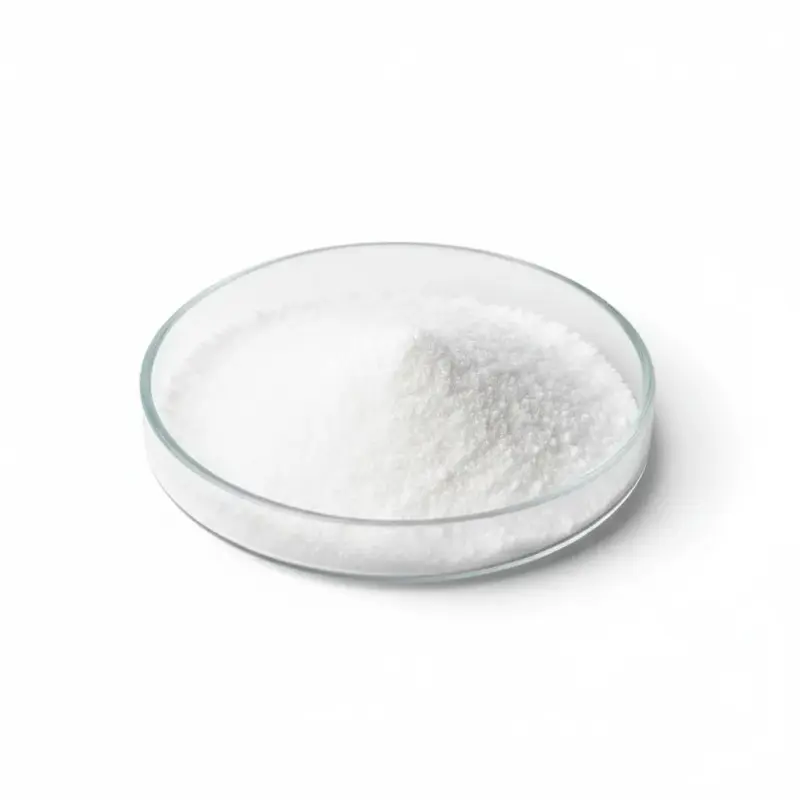
- Water-soluble white powder, compatible with most formulation bases
Beta-arbutin and alpha-arbutin are different materials
Arbutin is hydroquinone bound to glucose, and the bond comes in two forms. Beta-arbutin is the natural form found in bearberry and other plants; it is usually produced by synthesis or extraction. Alpha-arbutin is made by enzymatic synthesis and is not extracted from plants. The two have different INCI names, different stability and different permitted concentrations in markets that regulate them, so a specification must say which one it is. FC lists alpha-arbutin separately as Alpha Arbutin; plant extract containing arbutin is Bearberry Leaf Extract.
Hydroquinone
Under acid, heat or enzymes, arbutin can break down to release hydroquinone, which is not permitted in cosmetic skin products in the EU or ASEAN. Two things follow. Free hydroquinone in the raw material should be specified and kept very low, and the finished product needs a pH and preservative system that keeps arbutin stable through shelf life. EU safety assessments set maximum concentrations for both forms; check the current limits for the target market.
Claims
Brightening and evening-tone claims are cosmetic; treating hyperpigmentation or melasma is a medical claim. Keep finished-product wording on the cosmetic side.
What to ask for on the certificate of analysis
- Form (alpha or beta) and INCI name
- Assay by HPLC, and specific optical rotation
- Free hydroquinone content, with the detection limit
- pH of a stated solution, loss on drying, residue on ignition
- Heavy metals: lead, arsenic, cadmium and mercury
- Microbiology: total plate count, yeast and mould
- Production route, Halal certificate, batch number and retest date