
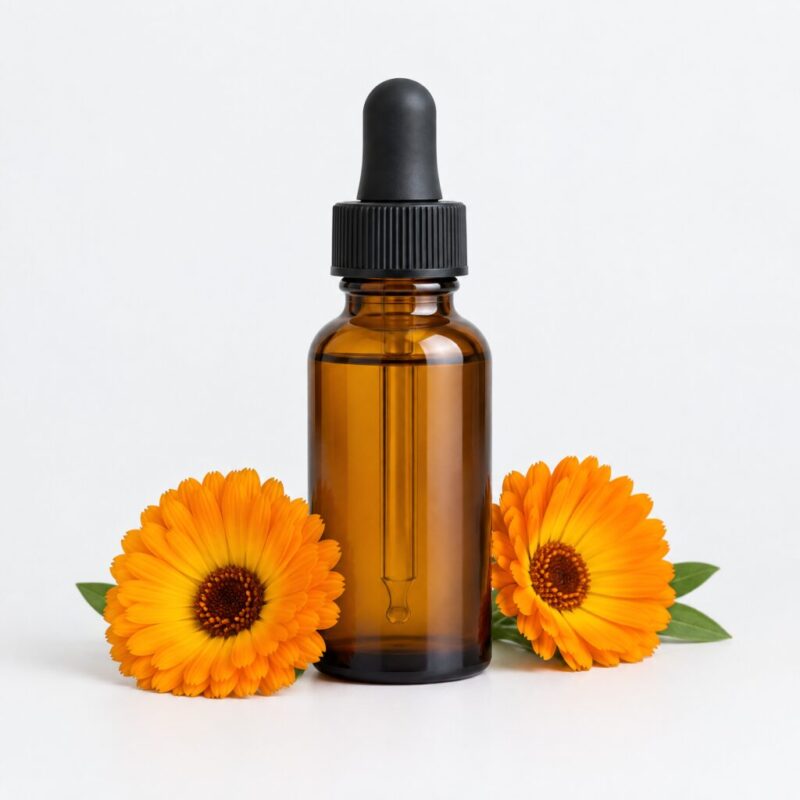
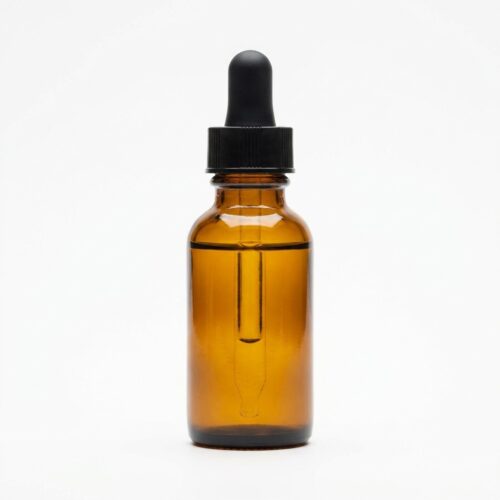
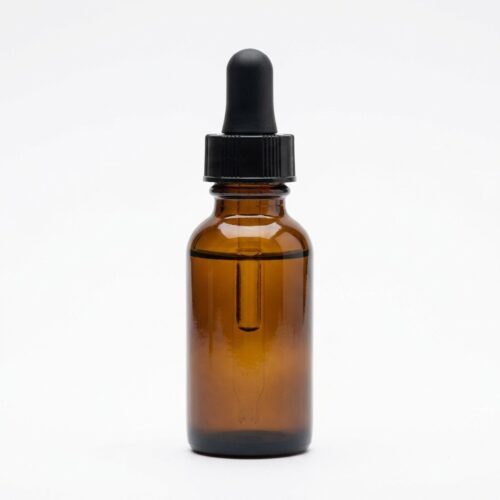
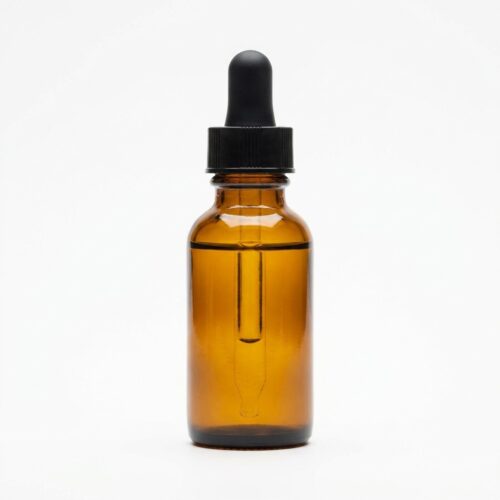
Calendula Oil is the steam-distilled essential oil of Calendula officinalis (pot marigold) flowers, supplied under the INCI name Calendula Officinalis Flower Oil. True steam-distilled calendula essential oil is uncommon – the flowers yield very little volatile oil, so most material sold as “calendula oil” is in fact a macerate of the flowers in a carrier oil, or a dilution. This is the distilled essential oil, not an infusion.
Its character is warm, herbaceous and slightly green-balsamic, and it is valued in formulation more for its skin-conditioning profile than for its aroma strength.
Applications:
- Soothing and sensitive-skin skincare (serums, balms, facial oils)
- Baby and after-sun care formulations
- Barrier-support and post-procedure cosmetic formulations
- Natural and clean-label personal care positioning
- Aromatherapy blends where a soft herbaceous note is wanted
Key Features & Benefits:
- INCI: Calendula Officinalis Flower Oil – the distilled essential oil, not a macerate
- Skin-conditioning and emollient cosmetic function
- Traditionally associated with calming and comforting sensitive skin
- No animal substance – suitable for vegan and Halal-compliant formulation
- Botanically distinct from Tagetes (African/Aztec marigold), a different species and a different oil
Formulation Guidance:
- Highly concentrated. Used at low inclusion levels in the oil phase and built out with carrier oils rather than dosed heavily.
- Add post-emulsification at low temperature to protect the more volatile constituents.
- Store sealed, cool and away from light and oxygen.
- Pairs naturally with the carrier oils in our range – jojoba, sweet almond, grapeseed and rosehip – where calendula is wanted as the active note in a sensitive-skin base.
- Finished-product claims, cosmetic notification and claim substantiation remain the responsibility of the finished-product manufacturer.
Frequently Asked Questions
What is calendula oil used for?
In cosmetic formulation it is used mainly in soothing and sensitive-skin products – facial oils, balms, serums, baby and after-sun care – where a gentle, skin-conditioning botanical is wanted. It also appears in aromatherapy blends for its soft herbaceous note.
What is the difference between calendula essential oil and calendula infused oil?
Calendula essential oil is steam-distilled from the flowers and is highly concentrated. Calendula infused (or macerated) oil is made by steeping the flowers in a carrier oil such as sunflower or almond, and is far more dilute. They are different raw materials with different INCI names, different usage levels and very different cost. This product is the steam-distilled essential oil.
Is calendula the same as marigold?
Partly. Calendula officinalis is commonly called pot marigold. It is a different species from Tagetes erecta, the African or Aztec marigold used as a lutein source. The two are not interchangeable in formulation.
Who should avoid calendula oil?
Calendula belongs to the Asteraceae (daisy) family, so it is generally avoided in products intended for people with known sensitivity to that family, such as ragweed or chrysanthemum. Standard cosmetic patch testing and finished-product safety assessment apply.
Is calendula oil suitable for vegan and Halal formulations?
Yes. It is entirely plant-derived and contains no animal substance, making it suitable for vegan positioning and for Halal-compliant formulation work.
How to confirm it is a distilled essential oil
Because macerates and dilutions are so often sold under the same name, the useful checks are chemical. A macerate is mostly carrier-oil triglyceride, so it shows a saponification value typical of a vegetable oil and a fatty-acid profile (oleic, linoleic) on GC. A true essential oil is volatile, has a far lower saponification value, and its GC-MS shows a terpene profile, largely sesquiterpenes and sesquiterpene alcohols, with no triglyceride fatty acids. A price far below that of other rare essential oils is itself a sign that the material is diluted.
Three materials, three INCI names
Distilled essential oil: Calendula Officinalis Flower Oil. Macerate: the carrier oil plus Calendula Officinalis Flower Extract (for example Helianthus Annuus Seed Oil (and) Calendula Officinalis Flower Extract). CO2 or solvent extract: Calendula Officinalis Flower Extract. The INCI on the finished-product label must match the material actually used, so confirm the form before the label is set. For a carrier base, see Jojoba Oil and Rosehip Oil.
What to ask for on the certificate of analysis
- Form and process stated: steam-distilled essential oil, not a macerate, extract or dilution
- INCI name matching that form
- GC-MS profile of the volatile constituents
- Saponification value, and confirmation that no carrier-oil fatty acids are present
- Relative density and refractive index
- Country of origin and batch number
- Declarable fragrance allergens, if any are present
Reviews
There are no reviews yet.