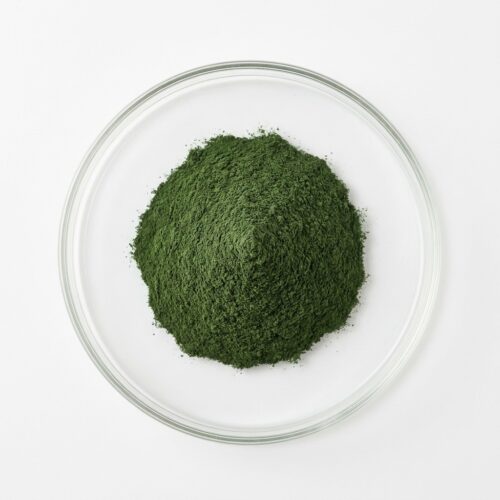
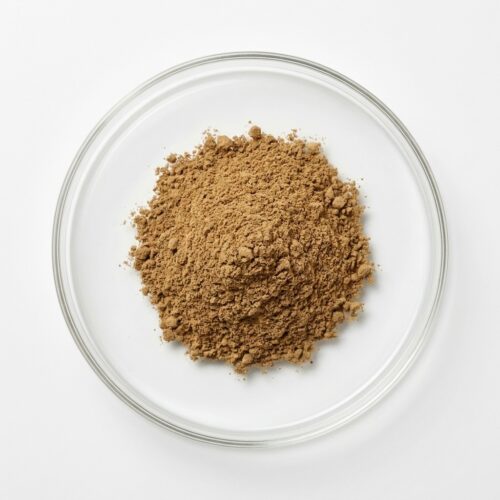
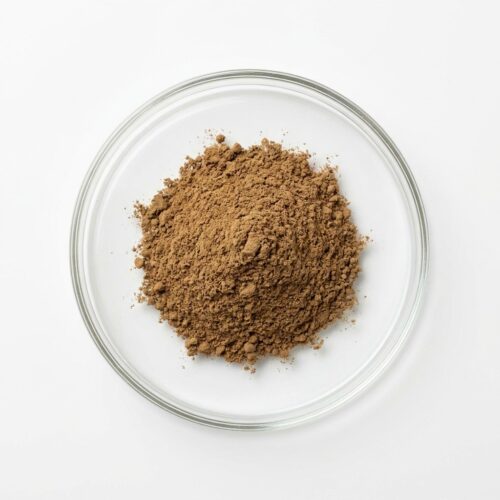
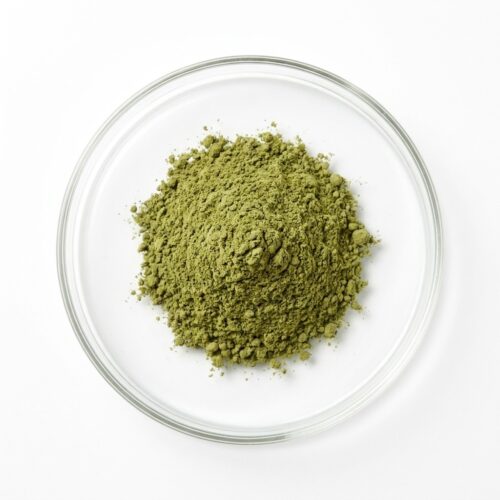
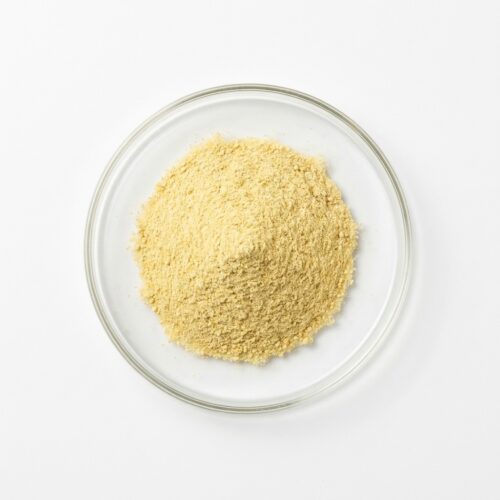
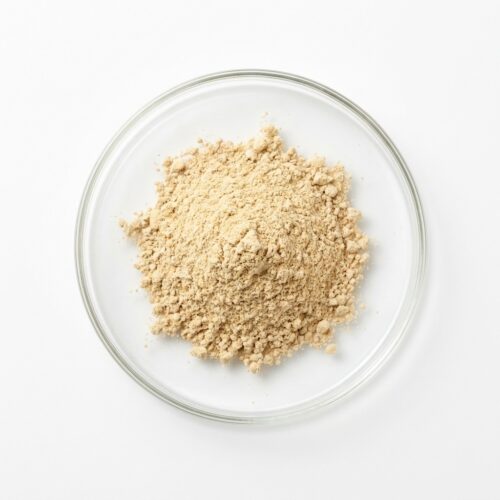
Hesperidin and Methyl Hesperidin are flavanone glycosides from citrus peel with potent antioxidant, anti-inflammatory, and vascular-protective properties. Hesperidin strengthens capillary walls and improves microcirculation, while the methylated form (Methyl Hesperidin) offers superior bioavailability and skin brightening activity via tyrosinase inhibition — making this a dual-purpose cardiovascular and cosmetic ingredient.
Applications:
- Venous health and microcirculation supplement formulations
- Skin brightening and anti-pigmentation cosmetic actives
- Antioxidant and anti-inflammatory nutraceuticals
- Leg heaviness and varicose vein management supplements
Key Features & Benefits:
- Strengthens capillary walls and reduces venous permeability
- Methyl hesperidin — superior bioavailability and skin brightening
- Tyrosinase inhibitor — natural skin depigmentation active
- No animal substance – halal-certified
- Synergistic with diosmin for vascular health
Two different materials
Hesperidin is the rutinoside (sugar-bound form) of the flavanone hesperetin, extracted mainly from the peel of unripe citrus fruit. It is poorly soluble in water. Methyl hesperidin is a semi-synthetic mixture of methylated hesperidin derivatives made to dissolve in water, which suits drinks and water-based cosmetics. The two are not interchangeable on a specification, so state which one you need.
Purity and source
Ask for purity by HPLC against a hesperidin reference standard, and for the citrus species used as the source. Lower-purity grades contain other citrus flavonoids such as neohesperidin or naringin, which change the taste and the label declaration. In vascular-category products, hesperidin is usually combined with diosmin.
Formulation notes
Hesperidin powder is light and fluffy with low bulk density, which can limit how much fits in a capsule; ask for bulk density or a micronised grade if fill weight matters. In tablets, check disintegration, as poorly soluble flavonoids can slow it. For related polyphenols, see Grape Seed Extract and Pine Bark Extract.
What the research says
- A 2025 meta-analysis of randomised trials found that hesperidin lowered fasting blood sugar, triglycerides, total and LDL cholesterol, systolic blood pressure and TNF-α. It had no significant effect on insulin, insulin resistance, HDL, diastolic blood pressure or hs-CRP. Effects were seen mainly in trials longer than 12 weeks and at doses above 500 mg a day. [1]
- An earlier 2019 meta-analysis of 10 randomised trials (577 participants) found no effect of hesperidin on total, LDL or HDL cholesterol, triglycerides, or systolic and diastolic blood pressure. [2]
- A 2026 meta-analysis of 16 trials (845 participants) found a small fall in the insulin-resistance score HOMA-IR, but no effect on insulin, fasting glucose or HbA1c. After trial sequential analysis, the authors concluded the evidence does not support hesperidin for insulin resistance or glycaemic control. [3]
These summaries describe published research on the ingredient. They are not claims for any finished product; claims on finished products must meet the rules of the market where they are sold.
References
- Heidari Z, et al. Effects of hesperidin supplementation on cardiometabolic markers: a systematic review and meta-analysis of randomized controlled trials. Nutr Rev. 2025;83(3):e1014-e1033. doi:10.1093/nutrit/nuae084
- Mohammadi M, et al. Hesperidin, a major flavonoid in orange juice, might not affect lipid profile and blood pressure: a systematic review and meta-analysis of randomized controlled clinical trials. Phytother Res. 2019;33(3):534-545. doi:10.1002/ptr.6264
- Li W, et al. The effects of hesperidin supplementation on insulin resistance and sensitivity in adults: a systematic review and meta-analysis of randomized controlled trials. Front Nutr. 2026;12:1724786. doi:10.3389/fnut.2025.1724786
What to ask for on the certificate of analysis
- Identity: hesperidin or methyl hesperidin, and the citrus source species
- Assay (purity) by HPLC against a reference standard
- Other flavonoids (e.g. neohesperidin, naringin), if specified
- Bulk density and particle size, if specified
- Residual solvents
- Loss on drying, heavy metals (lead, arsenic, cadmium, mercury) and pesticide residues
- Microbiology: total plate count, yeast and mould, E. coli, Salmonella
- Batch number, manufacture and retest dates