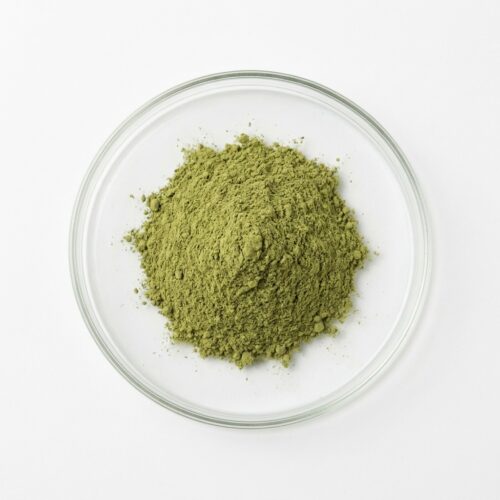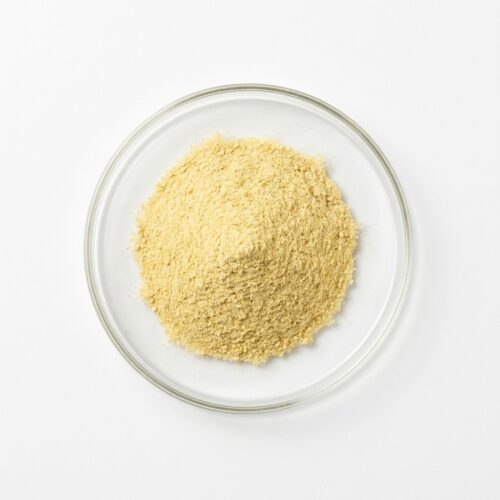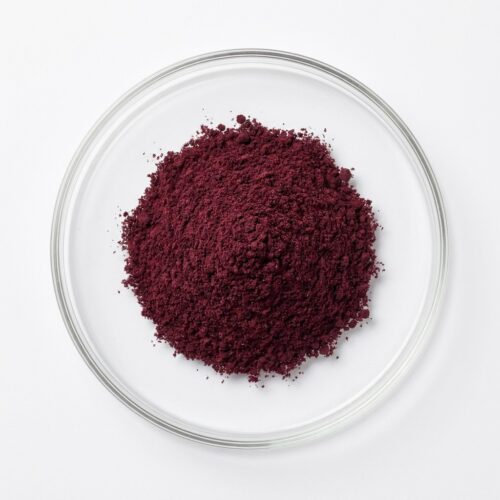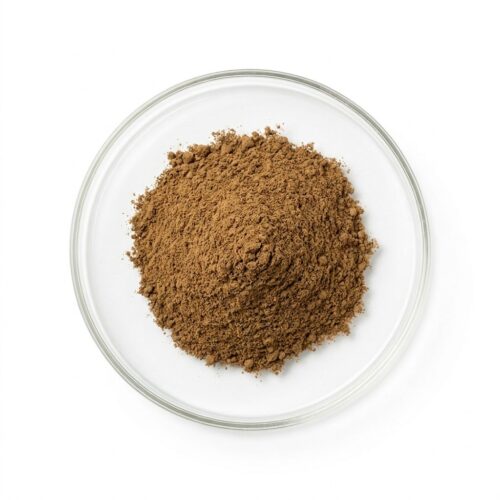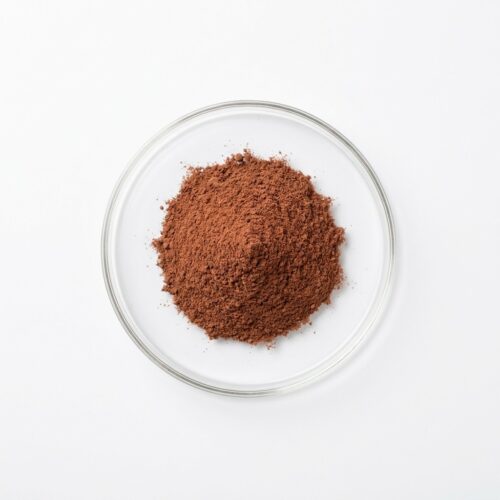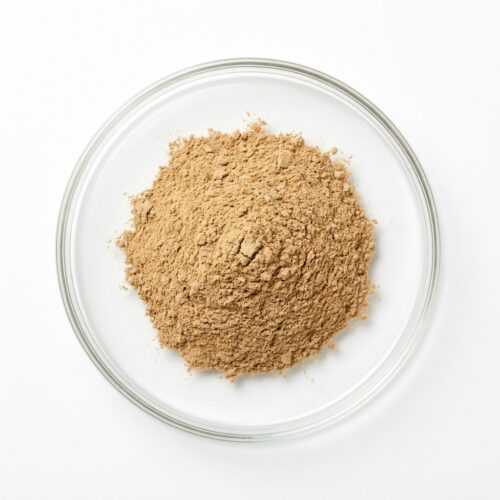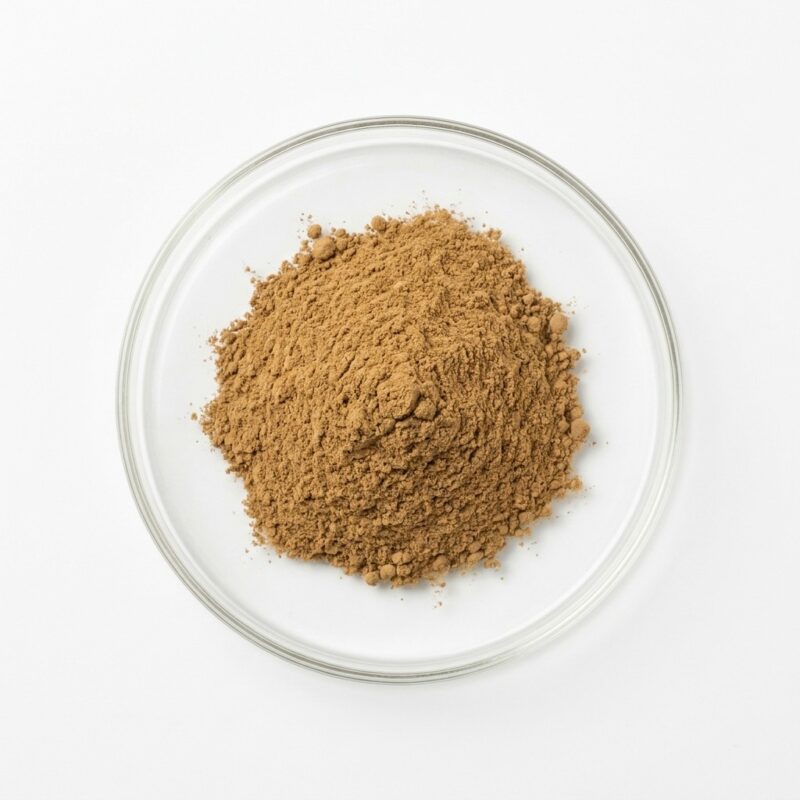
Maca Extract (10:1) is a concentrated botanical extract derived from the hypocotyl of Lepidium meyenii, a cruciferous plant native to the high-altitude Andes mountains of Peru, where it has been cultivated and used as both food and traditional medicine for over 2,000 years. At a 10:1 concentration ratio, this extract delivers a potent dose of macamides, macaenes, glucosinolates, and a broad spectrum of minerals, amino acids, and phytonutrients unique to the maca root.
Maca is widely known as the ‘Peruvian Ginseng’ and has become one of the most popular adaptogenic superfoods globally, particularly valued for its effects on energy, hormonal balance, libido, fertility, and menopausal symptom relief.
Applications:
- Men’s Health (libido enhancement, testosterone support, fertility and sperm quality supplements)
- Women’s Health (hormonal balance, menopausal symptom relief, energy formulations)
- Sports Nutrition (adaptogenic energy, endurance, and anti-fatigue performance supplements)
- Nutraceuticals (general vitality tonics, adaptogen blends, superfood formulations)
Key Features & Benefits:
- 10:1 concentrated macamide and macaene-rich adaptogenic extract
- Clinically studied for libido, fertility, hormonal balance, and energy
- Suitable for both men’s and women’s health formulations
- Halal-certified & food-grade quality
- Suitable for capsule, powder, and functional food applications
Raw, gelatinised or extract
Maca (Lepidium meyenii) is sold as raw root powder, gelatinised powder and extracts. Gelatinised maca is cooked to break down starch, which makes it easier to digest and to blend; it is a processed food powder, not an extract. A 10:1 extract should state its solvent and what it is standardised to, because the ratio alone does not describe the content.
Markers
Macamides (fatty-acid benzylamides) and glucosinolates are the compounds most often used as maca markers, measured by HPLC. Macamides are largely formed during the traditional post-harvest drying of the root, so processing affects how much is present. If a grade claims macamides, ask for the HPLC figure and method.
Colour and origin
Maca is traded as yellow, red and black types, and it is grown both in the Peruvian Andes and in other regions, including China. Colour type and country of origin should be on the documents, because buyers and some brand claims depend on them.
Contaminants
As a root crop, maca should be tested for heavy metals, pesticides and microbiology. Raw powders carry more microbial risk than gelatinised powders or extracts. Other botanicals used in men’s vitality formulas include Tongkat Ali Extract and Panax Ginseng Extract 10%.
What to ask for on the certificate of analysis
- Species, plant part (hypocotyl), colour type and country of origin
- Form: raw, gelatinised or extract; extraction solvent and ratio
- Macamides and glucosinolates by HPLC, if claimed
- Heavy metals and pesticide residues
- Microbiology: total plate count, yeast and mould, E. coli, Salmonella
- Carrier (if any), Halal certificate, batch number, manufacture and retest dates