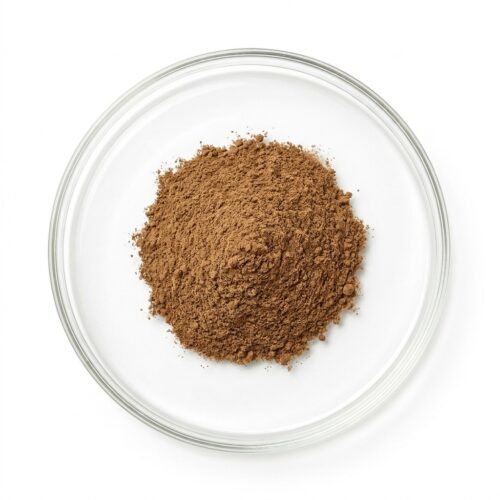
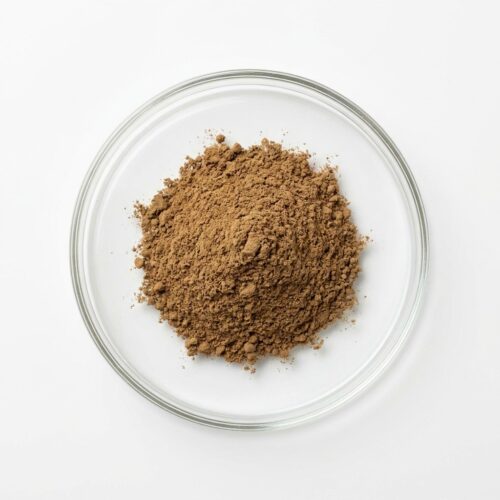
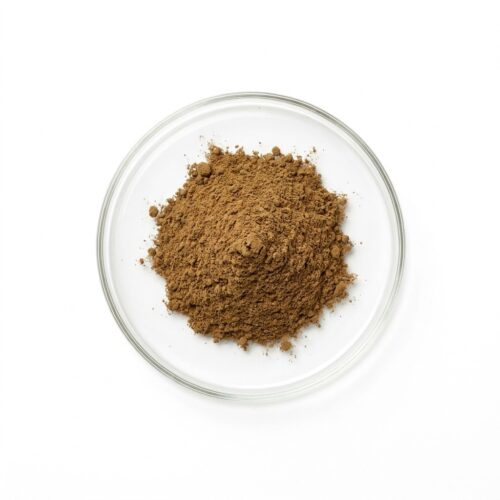
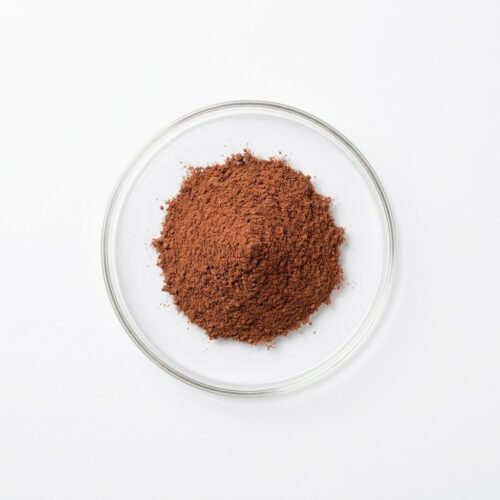
Pearl Powder (Perlite/Margarita) is a finely milled powder derived from freshwater or seawater pearls (Pinctada species), used in traditional Chinese and Ayurvedic medicine for thousands of years. Rich in conchiolin protein, calcium carbonate, and trace minerals, pearl powder has clinically studied skin brightening, antioxidant, and bone-strengthening properties, and remains a premium beauty-from-within and luxury cosmetic ingredient.
Applications:
- Luxury skin brightening and beauty-from-within supplement formulations
- Anti-ageing and collagen support nutraceuticals
- Bone health and calcium supplement formulations
- Premium cosmetic face mask and skincare actives
Key Features & Benefits:
- Conchiolin protein — stimulates skin fibroblast activity and collagen synthesis
- Natural calcium carbonate — bioavailable calcium for bone health
- Antioxidant SOD activity — reduces skin oxidative damage
- Halal-certified (freshwater pearl sourcing)
- Ultra-fine particle size for superior bioavailability and smooth texture
What pearl powder is made of
Pearl powder is made by cleaning and finely milling whole pearls. Pearls are mostly calcium carbonate in the aragonite form, held together by a small amount of organic matrix (conchiolin protein). Much pearl powder is made from freshwater pearls grown in mussels; seawater pearls come from pearl oysters such as Pinctada species. Ask which source your lot comes from, because it affects price, labelling and heavy-metal risk. In traditional Chinese medicine the material is called Margarita.
Pearl powder, nacre powder and grinding grades
Powder made from shell nacre (mother of pearl) is cheaper and looks similar, so ask for a declaration that the lot is made from whole pearls. Grades are sold by fineness (mesh size, micronised or “nano”) and some are hydrolysed to make the protein part more soluble. Ask for the particle size distribution (for example D50 and D90) and the method used.
Formulation notes
Pearl powder is white and insoluble in water. In capsules and tablets it behaves like a fine calcium carbonate filler, and in masks and cosmetics it gives a soft, matte finish. For calcium-focused formulas, Calcium Carbonate is a more economical calcium source. Because pearls form in water, heavy metals must be tested on every lot.
What to ask for on the certificate of analysis
- Source declaration: freshwater or seawater pearl, species, and whole pearl (not shell or nacre)
- Calcium (or calcium carbonate) assay and protein content
- Particle size (mesh or D50 and D90) with the method
- Heavy metals (lead, arsenic, cadmium, mercury) on every lot
- Loss on drying
- Microbiology: total plate count, yeast and mould, E. coli, Salmonella
- Batch number, manufacture and retest dates