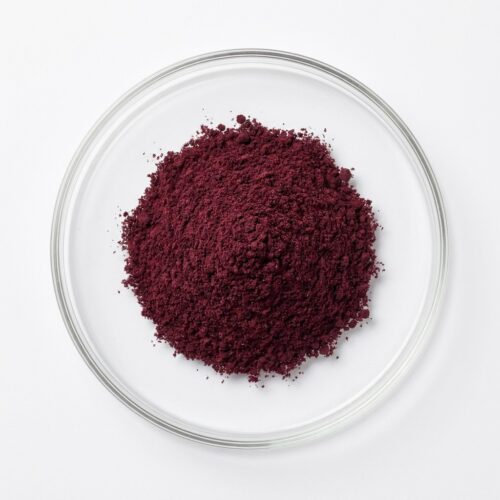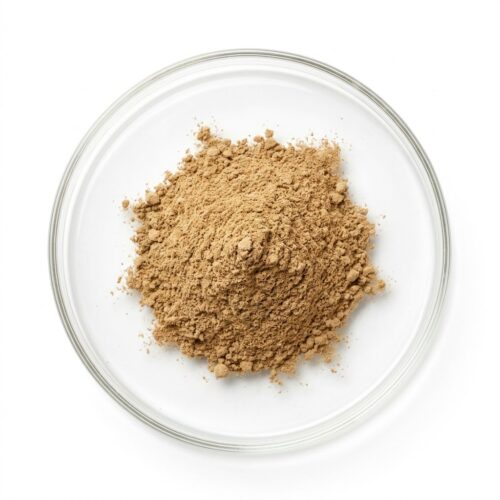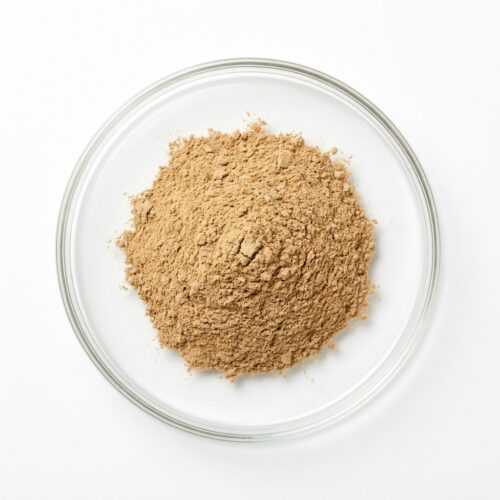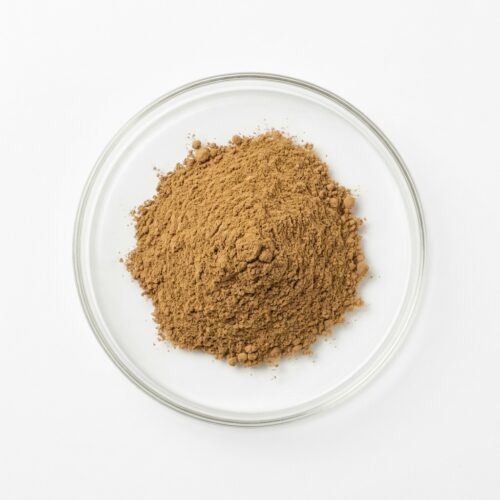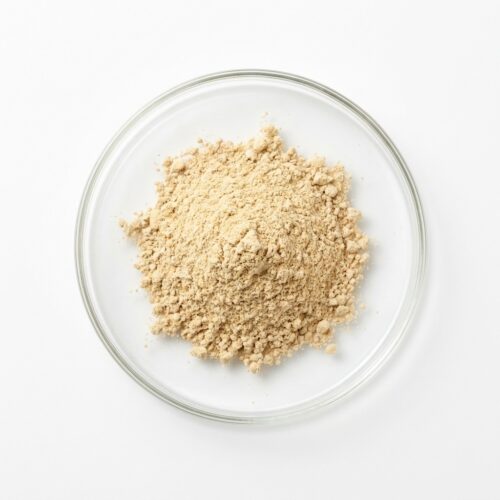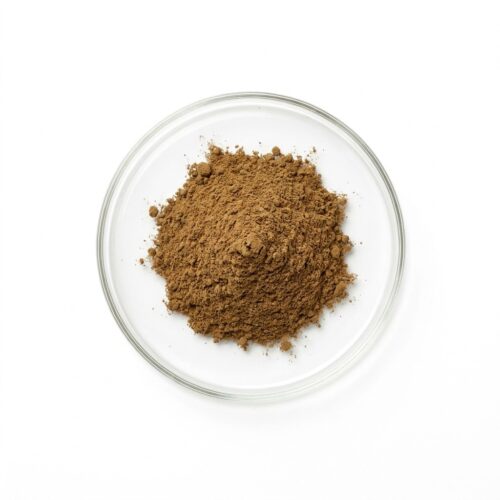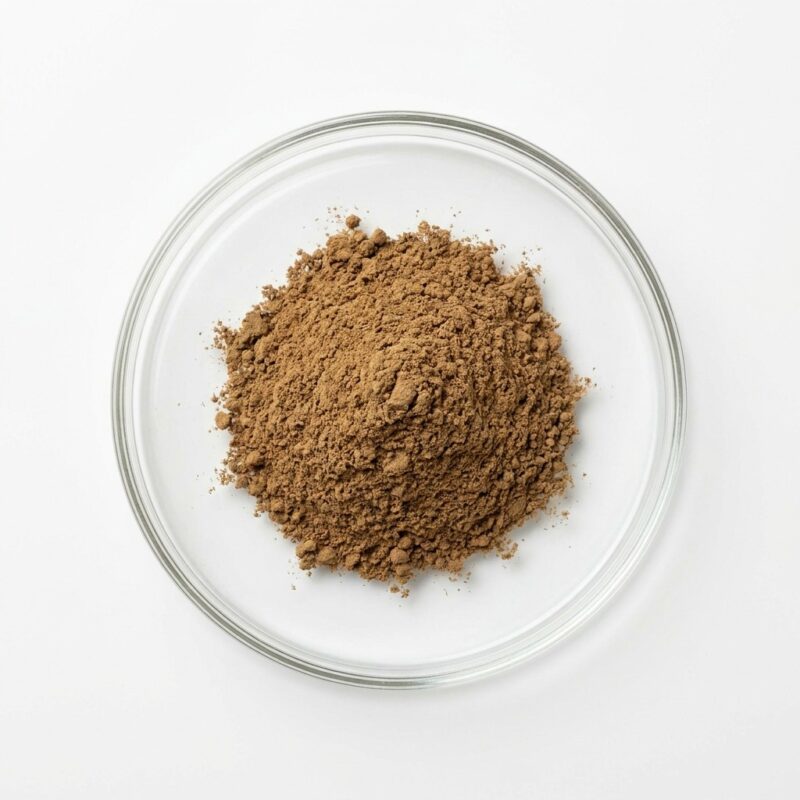
Ashwagandha Extract (10:1) is a concentrated botanical extract derived from the root of Withania somnifera, one of the most important herbs in Ayurvedic medicine. At a 10:1 concentration ratio, this Halal-certified extract provides a potent dose of withanolides — the primary steroidal lactones responsible for ashwagandha’s adaptogenic, anti-stress, and restorative properties.
Ashwagandha is one of the fastest-growing botanical supplement ingredients globally, driven by strong clinical evidence supporting its roles in stress reduction, cortisol regulation, energy enhancement, and cognitive performance.
Applications:
- Nutraceuticals (stress relief and adaptogen capsules, energy supplements, hormonal balance formulations)
- Sports Nutrition (testosterone support, strength and recovery blends)
- Cognitive Health (focus and memory supplements, nootropic blends)
- Women’s Health (hormonal balance, menopausal support)
Key Features & Benefits:
- Root-only extract standardised to 2.5% withanolides by HPLC (10:1)
- Clinically studied for stress reduction, energy, and cognitive support
- One of the fastest-growing botanical ingredients globally
- Halal-certified & food-grade quality
- Suitable for capsule, powder, and beverage applications
“10:1” versus a withanolide figure
A 10:1 ratio states how much root went into the extract, not how much active it contains. Ashwagandha extracts are compared on withanolide content, and the number depends on the method: gravimetric and UV methods report a broad total and give higher percentages than HPLC, which measures named withanolides such as withanolide A and withaferin A. Agree the method before comparing offers.
Root, leaf and plant part
FC Materials’ ashwagandha extract is made from root only and standardised to 2.5% withanolides by HPLC. When you compare offers, check that other figures are also by HPLC: gravimetric and UV methods report higher percentages.
Withania somnifera root is the traditional material. Some extracts also contain leaf, which has a different withanolide profile, typically richer in withaferin A. The plant part should be stated on the specification, because it changes both the chemistry and, in some markets, the regulatory acceptability of the ingredient.
Regulatory status is moving
Some regulators in Europe have reviewed or restricted ashwagandha in food supplements in recent years. Check the current position in each export market before positioning a finished product. Botanical identity (Withania somnifera, confirmed by HPTLC or microscopy) is the basic quality check, followed by contaminant testing.
What the research says
- A 2022 meta-analysis of 12 randomised trials (1,002 adults aged 25–48) found that ashwagandha reduced anxiety and stress scores compared with placebo. The authors rated the certainty of the evidence as low for both outcomes. [1]
- A 2021 meta-analysis of 5 randomised trials (400 adults) found a small but significant improvement in overall sleep. The effect was larger in adults with insomnia, at 600 mg/day or more, and over 8 weeks or longer. The authors note that long-term safety data are limited. [2]
- The evidence is not uniform. A 2025 meta-analysis (488 participants) found that ashwagandha lowered cortisol by 1.16 µg/dL but had no significant effect on perceived stress scores. [3]
These summaries describe published research on the ingredient. They are not claims for any finished product; claims on finished products must meet the rules of the market where they are sold.
References
- Akhgarjand C, et al. Does Ashwagandha supplementation have a beneficial effect on the management of anxiety and stress? A systematic review and meta-analysis of randomized controlled trials. Phytother Res. 2022;36(11):4115–4124. doi:10.1002/ptr.7598
- Cheah KL, et al. Effect of Ashwagandha (Withania somnifera) extract on sleep: a systematic review and meta-analysis. PLoS One. 2021;16(9):e0257843. doi:10.1371/journal.pone.0257843
- Albalawi AA. Dual impact of Ashwagandha: significant cortisol reduction but no effects on perceived stress – a systematic review and meta-analysis. Nutr Health. 2025;31(4):1395–1408. doi:10.1177/02601060251363647
What to ask for on the certificate of analysis
- Species (Withania somnifera), plant part (root, leaf or both) and extraction solvent
- Withanolide content with the test method (HPLC or gravimetric/UV)
- Identity test (HPTLC fingerprint)
- Residual solvents and pesticide residues
- Heavy metals: lead, arsenic, cadmium and mercury
- Microbiology: total plate count, yeast and mould, E. coli, Salmonella
- Carrier (if any), Halal certificate, batch number, manufacture and retest dates
Further reading