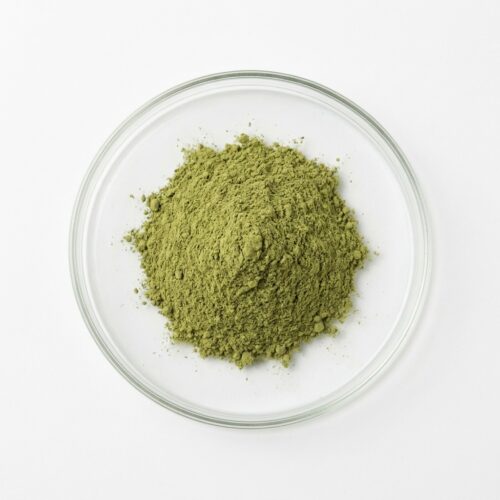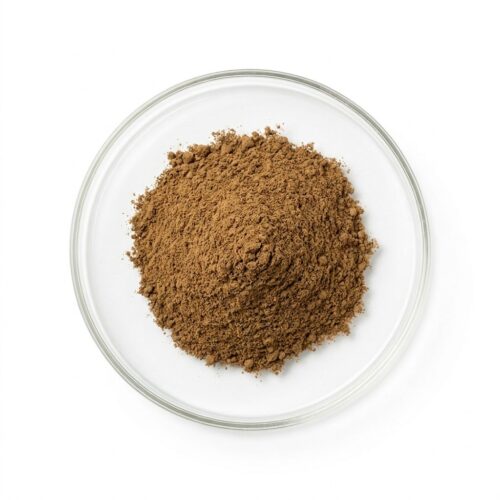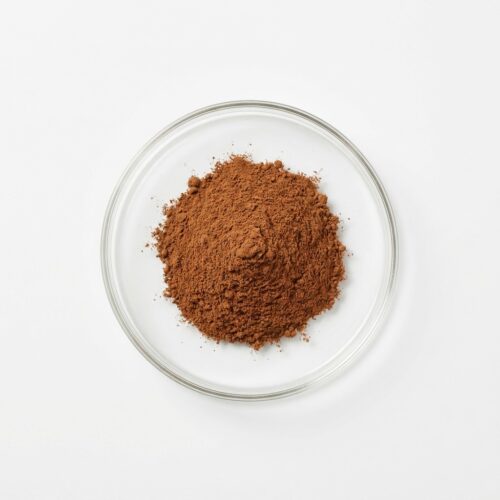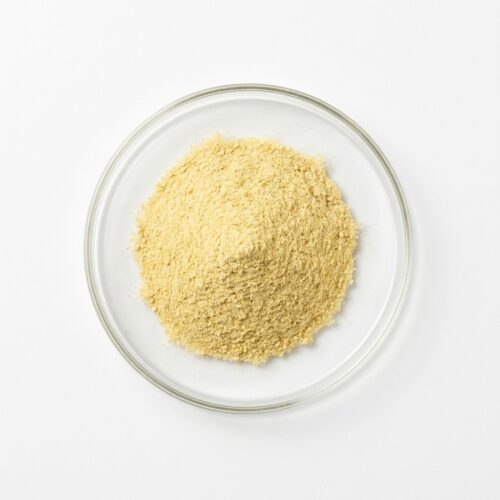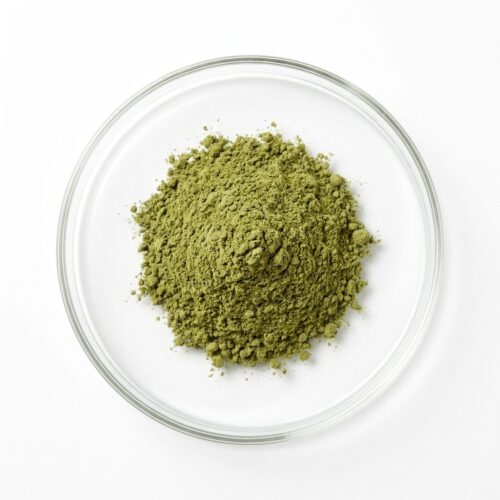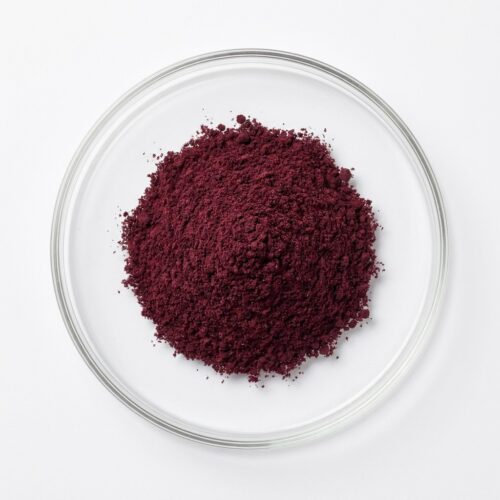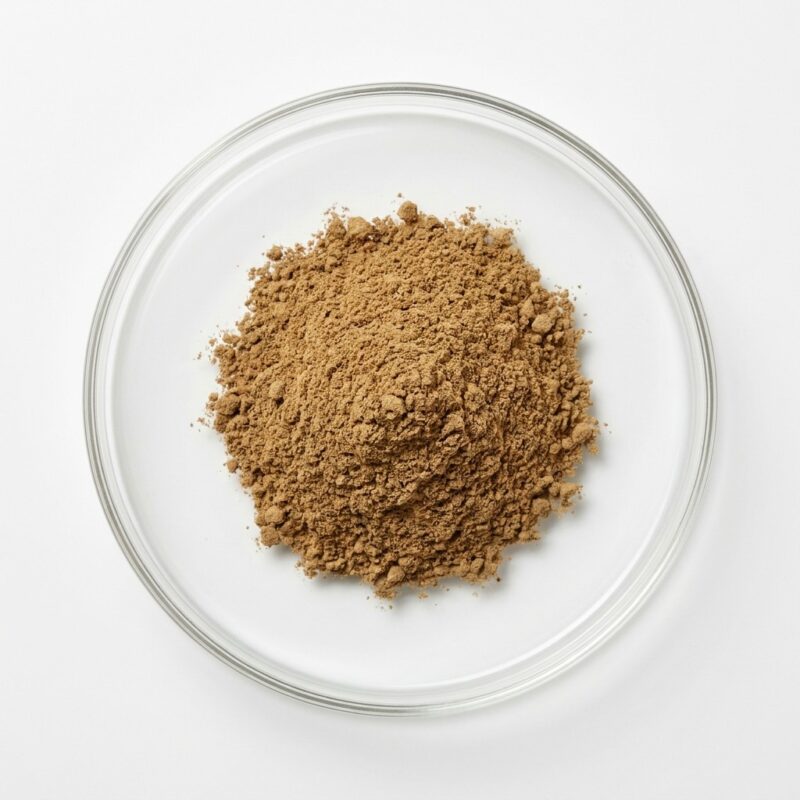
Echinacea Extract (10:1) is a concentrated botanical extract derived from Echinacea purpurea or Echinacea angustifolia, among the most clinically studied herbal immune support ingredients in the world. At a 10:1 concentration ratio, this Halal-certified extract provides a potent dose of alkylamides, polysaccharides, and caffeic acid derivatives — bioactive compounds responsible for echinacea’s well-documented immunostimulatory effects.
Echinacea is consistently among the top-selling herbal supplement ingredients globally, driven by strong consumer demand for natural cold and flu prevention and general immune support.
Applications:
- Nutraceuticals (immune support capsules, cold & flu prevention supplements, immune blends)
- Functional Foods & Beverages (immune-boosting health drinks, fortified foods)
- Children’s Health (paediatric immune support syrups and gummies)
- Seasonal Wellness Products (winter immune defence formulations)
Key Features & Benefits:
- 10:1 concentrated extract – clinically studied for immune support
- Among the most researched and best-selling herbal ingredients globally
- Effective for cold & flu prevention and immune modulation
- Halal-certified & food-grade quality
- Suitable for capsule, syrup, gummy, and beverage formulations
Species and part
“Echinacea” covers three species used commercially: Echinacea purpurea, E. angustifolia and E. pallida. Products also differ in plant part (aerial parts, root or whole plant) and in extraction. These differences change the chemistry so much that results from one echinacea product cannot be assumed for another. Ask for the species and part, not just “echinacea”.
Markers
The main marker groups are alkamides (alkylamides), cichoric acid and echinacoside. Cichoric acid is characteristic of E. purpurea; echinacoside is found in E. angustifolia and E. pallida roots. An HPLC profile of these markers confirms the species and shows whether the extract is consistent from batch to batch. A 10:1 ratio alone does not.
Authenticity and allergy
Echinacea root has historically been substituted with other roots, so identity testing matters. Echinacea belongs to the daisy family (Asteraceae), so labels in some markets carry an allergy caution for people sensitive to that family. Related ingredients include Elderberry Extract and Andrographis Extract.
What the research says
- A 2014 Cochrane review of 24 double-blind trials (4,631 participants) found that echinacea products have not been shown to help treat colds: only 1 of 7 treatment trials reporting cold duration found a significant effect. [1]
- For prevention, none of the 12 individual comparisons was statistically significant, although a post-hoc pooling suggested a 10–20% relative risk reduction. The reviewers describe any benefit as weak and of questionable clinical relevance, and note that echinacea products differ widely in composition. [1]
These summaries describe published research on the ingredient. They are not claims for any finished product; claims on finished products must meet the rules of the market where they are sold.
References
- Karsch-Völk M, et al. Echinacea for preventing and treating the common cold. Cochrane Database Syst Rev. 2014;(2):CD000530. doi:10.1002/14651858.CD000530.pub3
What to ask for on the certificate of analysis
- Species, plant part and extraction solvent
- HPLC profile: alkamides, cichoric acid and/or echinacoside
- Identity test (HPTLC or HPLC fingerprint)
- Heavy metals and pesticide residues
- Microbiology: total plate count, yeast and mould, E. coli, Salmonella
- Carrier (if any), Halal certificate, batch number, manufacture and retest dates