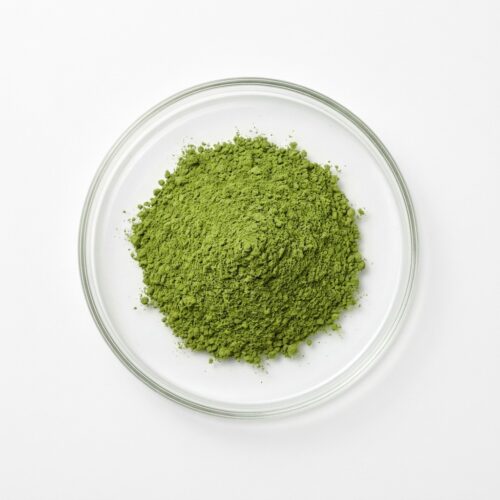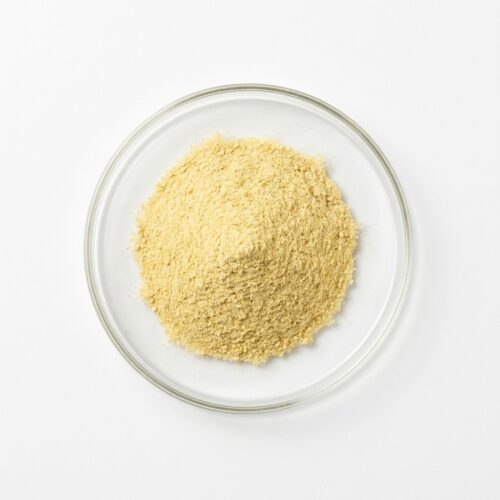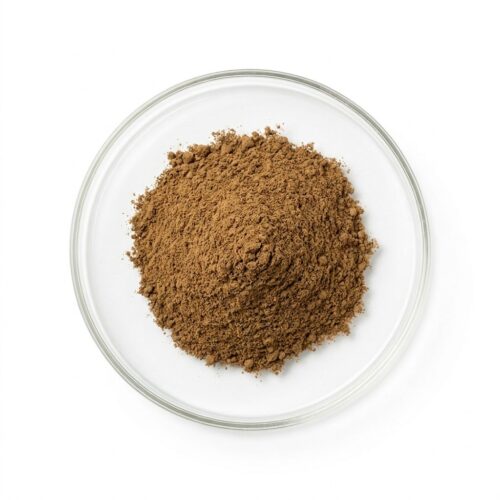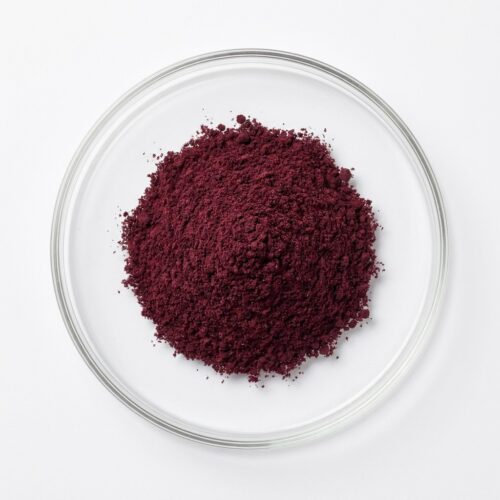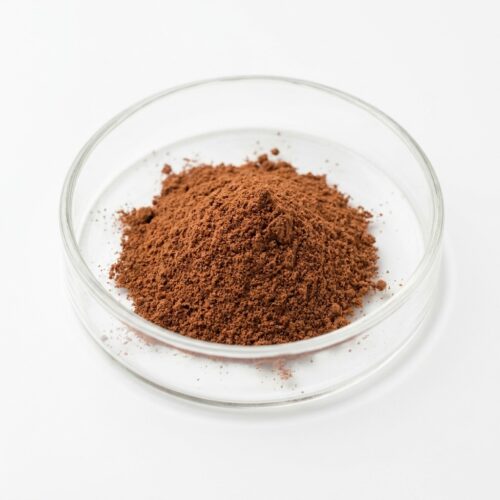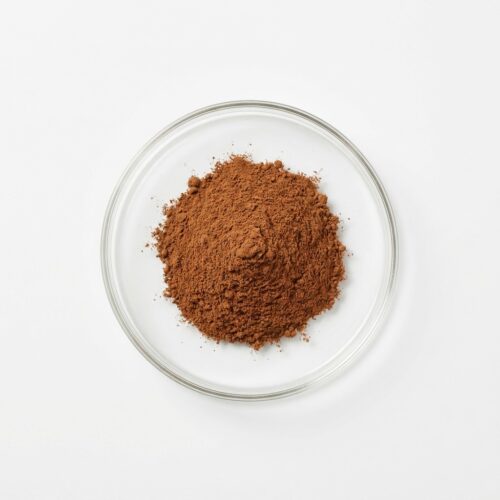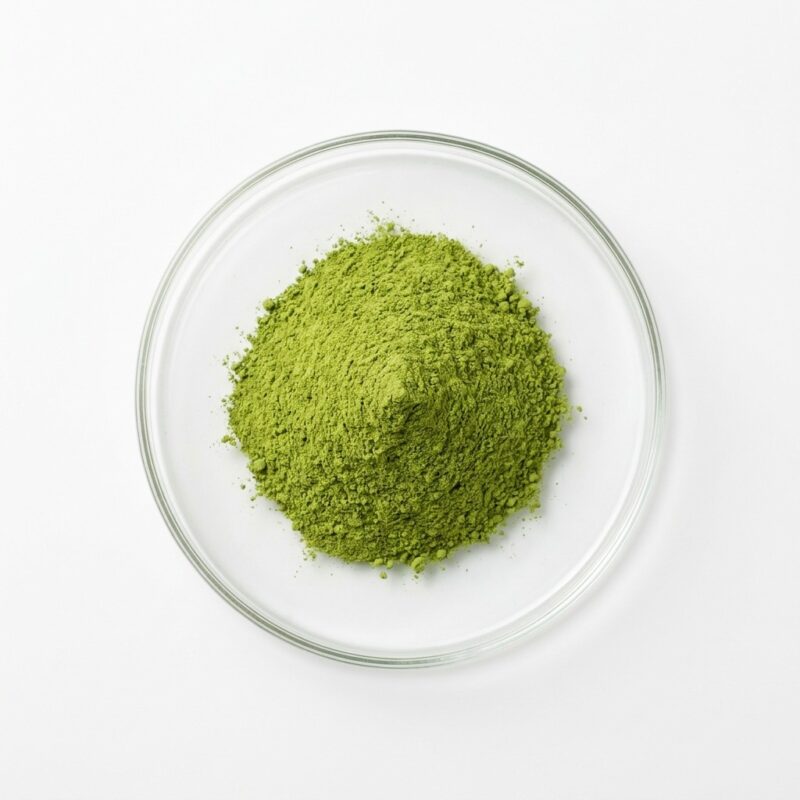
Green Tea Extract (10:1) is a concentrated botanical extract derived from the leaves of Camellia sinensis, standardised for its catechin content, particularly epigallocatechin gallate (EGCG) — the primary bioactive polyphenol responsible for green tea’s powerful antioxidant, metabolic, and anti-inflammatory effects. This Halal-certified extract provides a 10:1 concentration ratio for potent, cost-effective dosing.
Green Tea Extract is one of the most extensively researched and widely used botanical ingredients in the global supplement, functional food, and cosmeceutical markets.
Applications:
- Nutraceuticals (antioxidant supplements, weight management capsules, metabolism support)
- Sports Nutrition (fat-burning and thermogenic blends, pre-workout formulations)
- Beauty Supplements (skin protection, anti-ageing beauty drinks)
- Functional Beverages (green tea-based health drinks, matcha formulations)
Key Features & Benefits:
- 10:1 concentrated EGCG-rich antioxidant extract
- Clinically studied for antioxidant protection, weight management, and metabolic support
- One of the most widely used and researched botanical ingredients globally
- Halal-certified & food-grade quality
- Suitable for capsule, beverage, and powder formulations
Three different numbers
Green tea extracts are standardised on total polyphenols, total catechins or EGCG (epigallocatechin gallate). Polyphenols are usually measured by UV and read highest; catechins and EGCG are measured by HPLC. One extract can show three very different percentages, so compare offers on the same marker and method. A 10:1 ratio describes the extraction, not the catechin content.
Caffeine
Green tea extract contains caffeine unless it is decaffeinated. Ask for the caffeine content, because it affects labelling and the total caffeine of the finished product. For a natural caffeine source, see Guarana Extract. For the calming amino acid of tea, see L-Theanine.
Safety limits on EGCG
High doses of concentrated green tea catechins in supplements have been linked to liver injury. Following a 2018 EFSA opinion, EU law now requires food supplements to provide less than 800 mg of EGCG per daily portion, with warnings on the label (Regulation (EU) 2022/2340). Formulators exporting to the EU should design to that limit; other markets set their own rules.
Contaminants
Tea can carry pesticide residues and pyrrolizidine alkaloids from weeds harvested with the crop. Extraction solvents should be declared and tested.
What the research says
- A 2025 meta-analysis of 36 randomised trials found that green tea supplementation lowered systolic blood pressure by 1.08 mmHg and diastolic by 1.09 mmHg. The authors describe the reductions as modest, with high heterogeneity between trials, and suggest green tea is better considered a complementary approach. [1]
- For weight, the added effect is small. A 2024 meta-analysis of 10 randomised trials in overweight and obese adults found that green tea added to exercise gave a small extra reduction in weight, BMI and body fat compared with exercise alone, and no extra benefit for blood lipids. The authors describe the added benefit as minimal. [2]
These summaries describe published research on the ingredient. They are not claims for any finished product; claims on finished products must meet the rules of the market where they are sold.
References
- Rezaei M, et al. Effect of green tea supplementation on blood pressure in adults: a GRADE-assessed systematic review and dose-response meta-analysis of randomised controlled trials. Blood Press. 2025;34(1):2517122. doi:10.1080/08037051.2025.2517122
- Gholami F, et al. Does green tea catechin enhance weight-loss effect of exercise training in overweight and obese individuals? A systematic review and meta-analysis of randomized trials. J Int Soc Sports Nutr. 2024;21(1):2411029. doi:10.1080/15502783.2024.2411029
What to ask for on the certificate of analysis
- Species (Camellia sinensis), plant part (leaf) and extraction solvent
- Total polyphenols (method stated); total catechins and EGCG by HPLC
- Caffeine content
- Pesticide residues and pyrrolizidine alkaloids
- Heavy metals and residual solvents
- Microbiology: total plate count, yeast and mould, E. coli, Salmonella
- Halal certificate, batch number, manufacture and retest dates