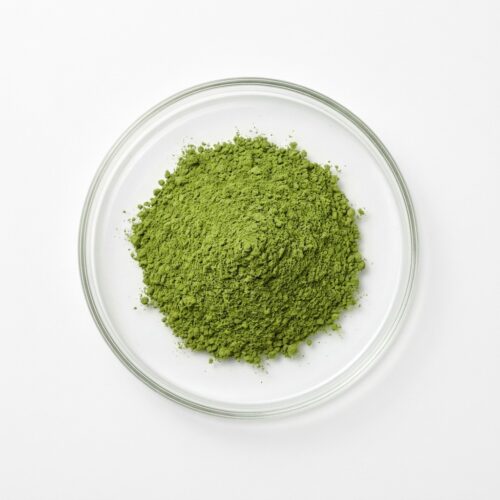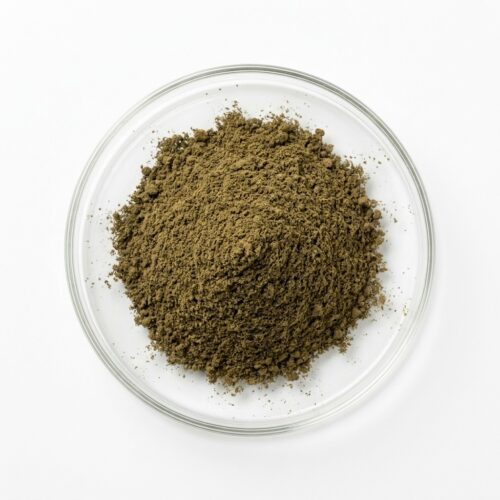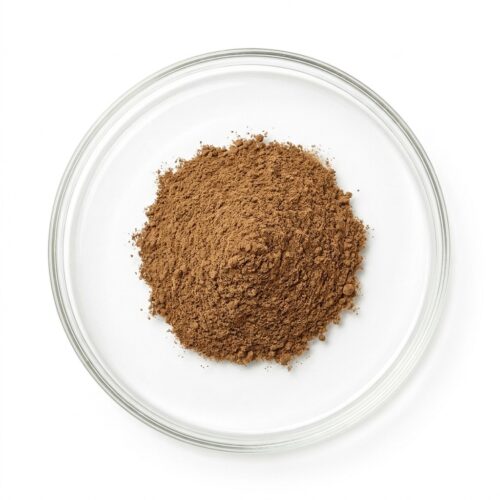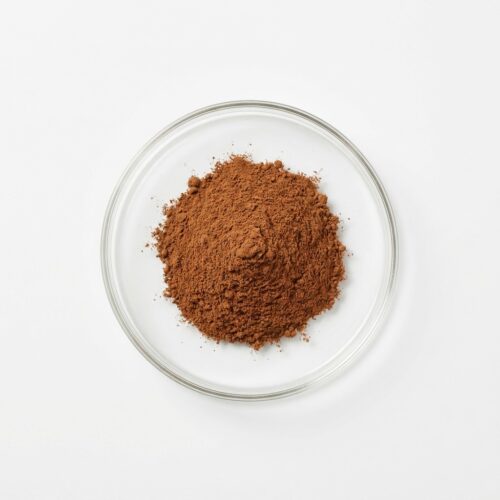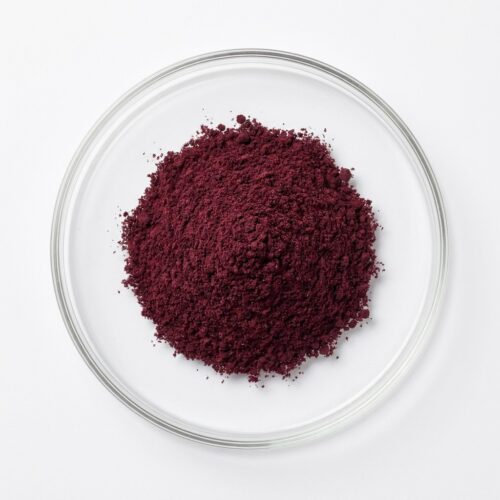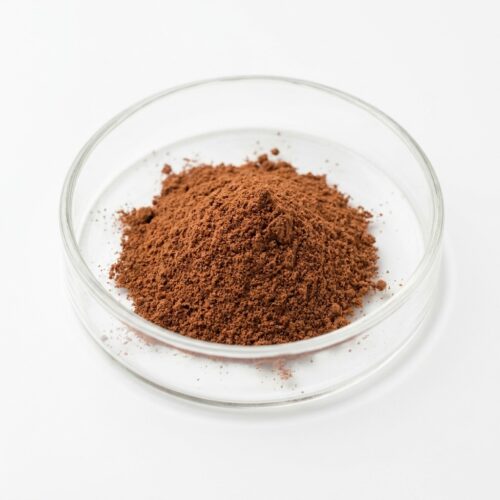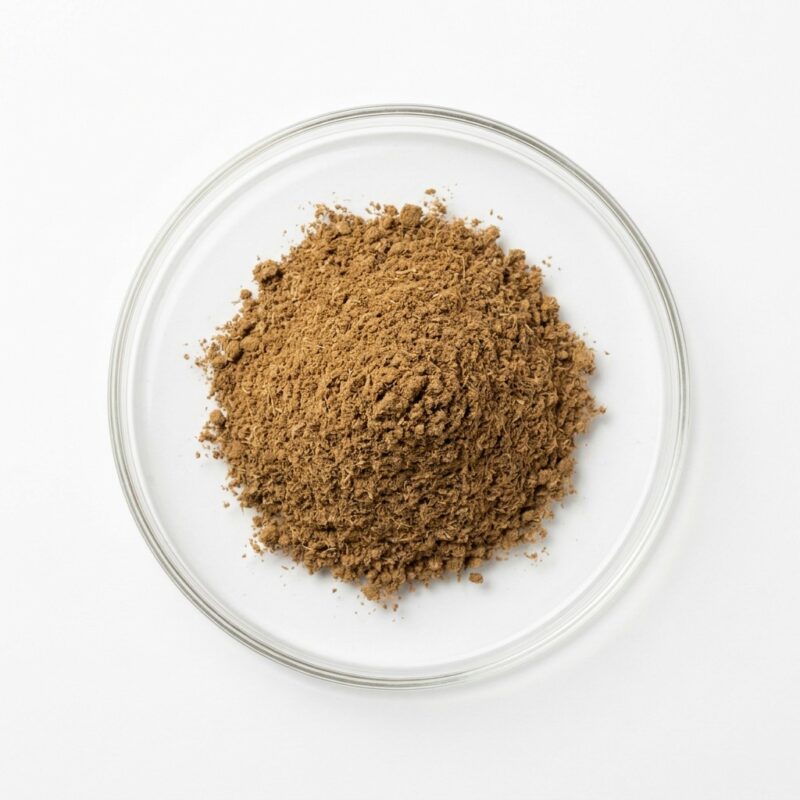
Licorice Root Extract (10:1) is a concentrated botanical extract derived from the roots of Glycyrrhiza glabra or Glycyrrhiza uralensis, one of the most widely used herbs in TCM, Ayurvedic, and European herbal medicine traditions. At a 10:1 concentration ratio, this Halal-certified extract provides a potent dose of glycyrrhizin, glabridin, and flavonoids — bioactive compounds responsible for its anti-inflammatory, adaptogenic, gut-protective, and respiratory-soothing properties.
Applications:
- Nutraceuticals (gut health and digestive support, anti-inflammatory blends, adrenal support)
- Respiratory Health (cough relief, throat soothing, bronchial support formulations)
- TCM Supplements (traditional formulations for spleen, lung, and detox support)
- Beauty (skin brightening formulations – glabridin is a potent tyrosinase inhibitor)
Key Features & Benefits:
- 10:1 concentrated glycyrrhizin and glabridin-rich extract
- Anti-inflammatory, gut-protective, and respiratory-soothing properties
- Glabridin component used in skin brightening cosmeceuticals
- Halal-certified & food-grade quality
- Suitable for capsule, candy, syrup, and cream formulations
Two species, different profiles
Licorice root comes mainly from Glycyrrhiza glabra or Glycyrrhiza uralensis. Both contain glycyrrhizin (glycyrrhizic acid), a triterpene saponin that tastes much sweeter than sugar. Glabridin, the compound used in skin-brightening cosmetics, is characteristic of G. glabra. If glabridin matters to your product, ask which species the extract is made from and for a glabridin figure.
Glycyrrhizin content and safety
In the body, glycyrrhizin is converted to glycyrrhetinic acid, which in high or prolonged intakes can raise blood pressure and lower potassium. That is why some markets set limits or warnings for glycyrrhizin, and why deglycyrrhizinated licorice (DGL) exists. A 10:1 ratio does not tell you the glycyrrhizin content, so ask for glycyrrhizic acid by HPLC and check your daily dose against the rules of your market.
Sweetness and flavour in formulation
Glycyrrhizin adds a lingering sweet, liquorice taste, useful in candies, syrups and herbal teas but noticeable in neutral products. Licorice is often paired with Ginger Root Extract in throat and digestive formulations.
What to ask for on the certificate of analysis
- Botanical name and plant part (Glycyrrhiza glabra or G. uralensis root)
- Extraction ratio, solvent and carrier with its percentage
- Glycyrrhizic acid content by HPLC (and glabridin, if specified)
- Identity test (TLC or HPLC fingerprint)
- Loss on drying, heavy metals (lead, arsenic, cadmium, mercury) and pesticide residues
- Microbiology: total plate count, yeast and mould, E. coli, Salmonella
- Batch number, manufacture and retest dates