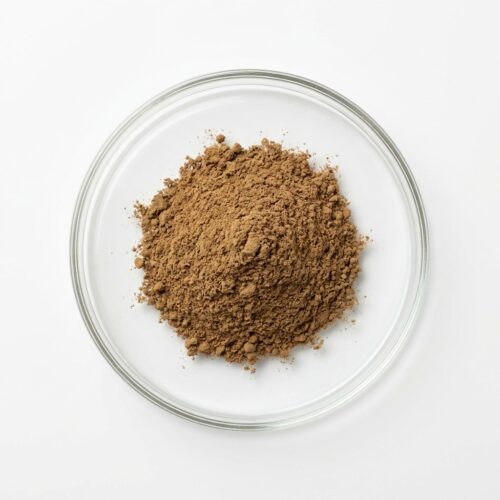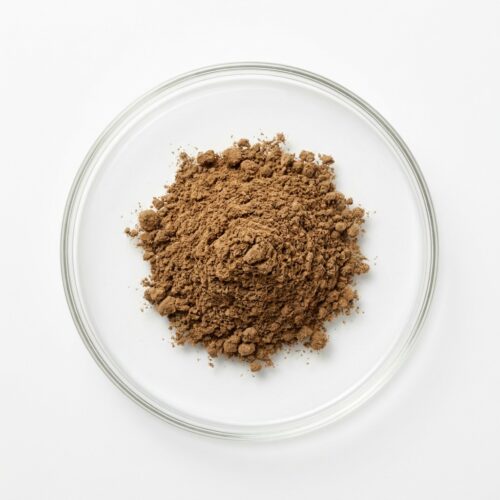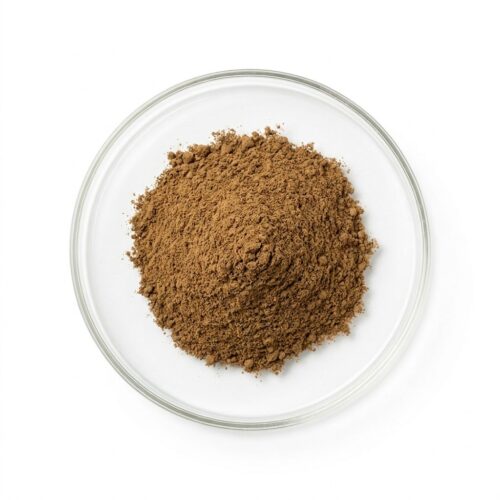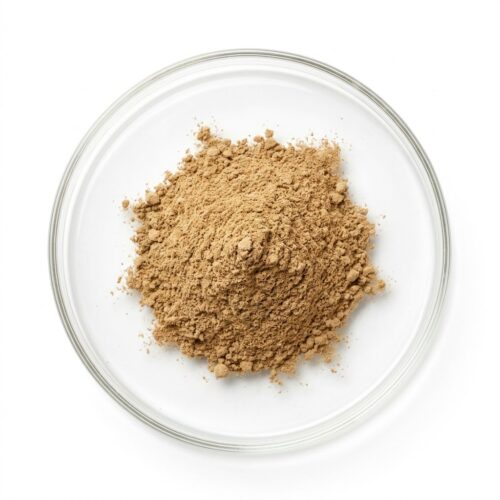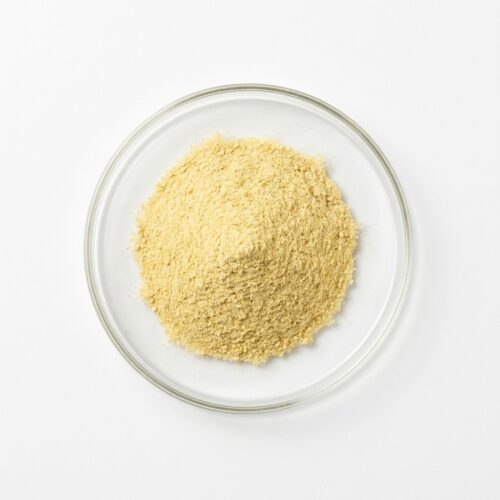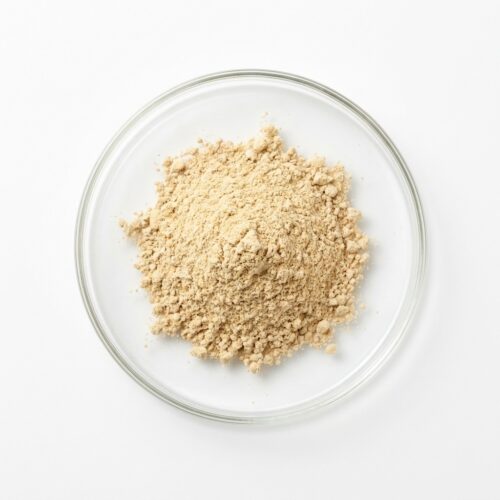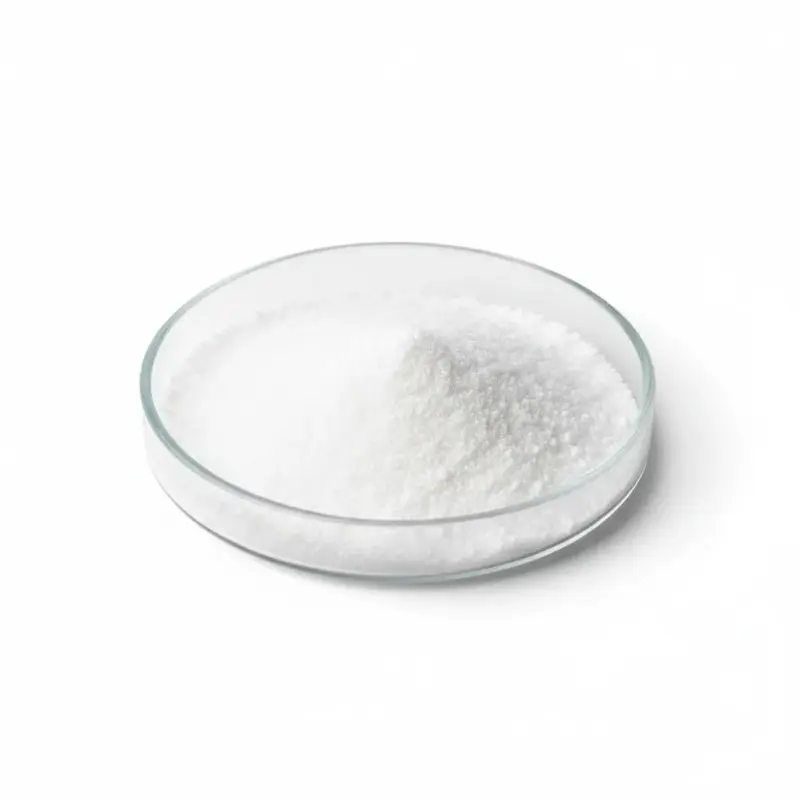
L-Glutathione Reduced (GSH) is the biologically active, reduced form of glutathione — the body’s master endogenous antioxidant and the most abundant intracellular antioxidant molecule in human cells. With an assay of not less than 98%, this high-purity L-Glutathione Reduced is a tripeptide composed of glutamic acid, cysteine, and glycine, playing a central role in antioxidant defence, detoxification and immune function, and it is studied for skin brightening.
L-Glutathione is widely used in beauty supplements across Southeast Asia. One proposed mechanism for its effect on skin is a shift in melanin synthesis from dark eumelanin toward lighter phaeomelanin. In trials, oral glutathione lowered the skin melanin index modestly, and the effect did not last after stopping (see the research below).
Applications:
- Beauty Supplements (oral skin brightening capsules, whitening sachets)
- Nutraceuticals (antioxidant supplements, liver detox, cellular protection blends)
- Anti-Ageing (mitochondrial health, cellular longevity formulations)
- Immune Health (immune system support formulations)
Key Features & Benefits:
- N.L.T 98% assay – high purity reduced (active) form glutathione
- Master endogenous antioxidant and detoxification molecule
- Widely used in Southeast Asian beauty and antioxidant supplements
- Synergistic with Vitamin C, Alpha Lipoic Acid, and N-Acetyl Cysteine
- Suitable for capsule, softgel, sublingual, and sachet formulations
Reduced versus oxidised glutathione
Glutathione exists in a reduced form (GSH) and an oxidised form (GSSG, two GSH molecules joined by a disulfide bond). Reduced glutathione slowly oxidises to GSSG on exposure to air, moisture and heat, so GSSG content is the key stability and quality figure alongside the GSH assay. A material that met its assay at manufacture can drift during storage in humid conditions, which is why sealed, dry, cool storage and a retest date matter. Commercial L-glutathione is produced mainly by yeast fermentation.
In formulation
Glutathione has a sulfurous odour and an acidic taste. It is sensitive to oxidising ingredients and to some metal ions, so check compatibility in multi-ingredient blends, and protect powders from moisture during filling. Capsules and tablets are the common oral formats; in topical products it is usually paired with a stabilising system. For a precursor, see N-Acetyl L-Cysteine (NAC); for other brightening actives, see Alpha Arbutin and Kojic Acid.
Claims
Skin-lightening and other claims for glutathione products are regulated, and the classification of glutathione products differs between markets. Confirm the permitted claims and product category for the target market, including with NPRA for Malaysia.
What the research says
- In a 6-month double-blind trial in 54 healthy adults, oral glutathione at 250 or 1,000 mg a day raised glutathione levels in the blood. At the higher dose, levels rose by 30–35% in red blood cells, plasma and lymphocytes, and returned to baseline within a month of stopping. [1]
- In a 4-week double-blind trial in 60 healthy adults, 500 mg a day lowered the skin melanin index at all six sites measured, significantly more than placebo at two of them (the face and the sun-exposed forearm). [2]
- In a 12-week trial in healthy women, 250 mg a day of reduced or oxidised glutathione tended to lower the melanin index and UV spots compared with placebo, and the reduced form lowered wrinkles at some sites. Both forms were well tolerated. [3]
- A 2024 systematic review found that oral glutathione at 250–500 mg a day reduced the melanin index compared with placebo in five randomised trials, but the effect did not persist after stopping. It concluded that intravenous glutathione should not be used. [4]
These summaries describe published research on the ingredient. They are not claims for any finished product; claims on finished products must meet the rules of the market where they are sold.
References
- Richie JP, et al. Randomized controlled trial of oral glutathione supplementation on body stores of glutathione. Eur J Nutr. 2015;54(2):251–263. doi:10.1007/s00394-014-0706-z
- Arjinpathana N, Asawanonda P. Glutathione as an oral whitening agent: a randomized, double-blind, placebo-controlled study. J Dermatolog Treat. 2012;23(2):97–102. doi:10.3109/09546631003801619
- Weschawalit S, et al. Glutathione and its antiaging and antimelanogenic effects. Clin Cosmet Investig Dermatol. 2017;10:147–153. doi:10.2147/CCID.S128339
- Sarkar R, et al. Glutathione as a skin-lightening agent and in melasma: a systematic review. Int J Dermatol. 2025;64(6):992–1004. doi:10.1111/ijd.17535
What to ask for on the certificate of analysis
- Reduced glutathione (GSH) assay, with the method (HPLC)
- Oxidised glutathione (GSSG) and other related substances
- Specific optical rotation, loss on drying, residue on ignition
- Heavy metals: lead, arsenic, cadmium and mercury
- Microbiology: total plate count, yeast and mould, E. coli, Salmonella
- Production route (fermentation), GMO and allergen statements, Halal certificate
- Batch number, manufacture and retest dates
Questions about grades, other forms or the Halal certificate for your lot? WhatsApp us.
Further reading