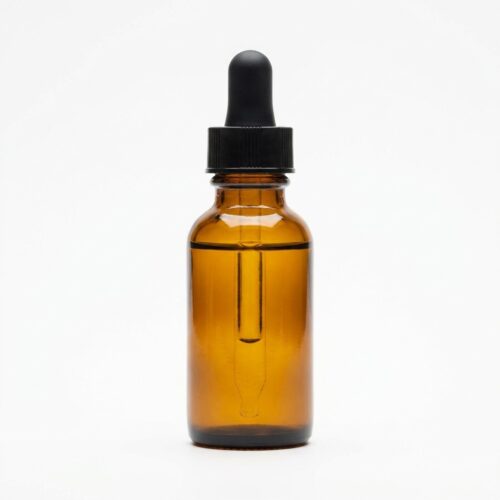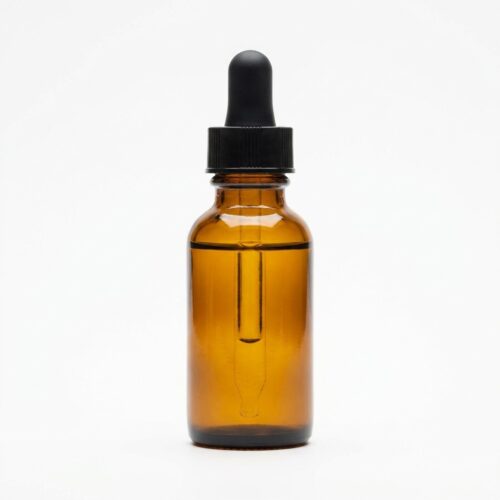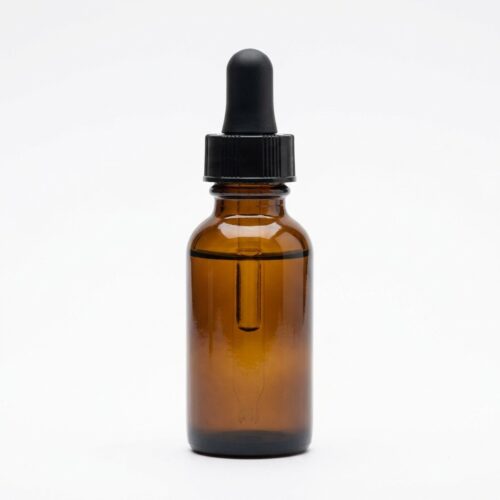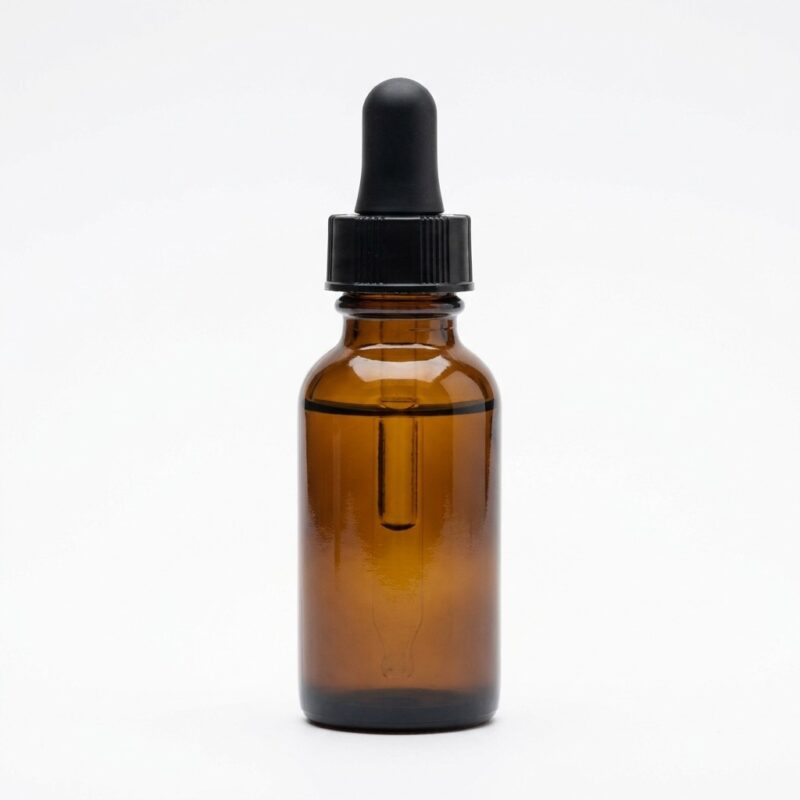
Pomelo Leaf Essential Oil (Pamelo Leaf Oil) is a therapeutic-grade oil steam-distilled or cold-pressed from the leaves of Citrus maxima (pomelo), presenting as orange-brown to dark yellowish brown or olive brown, occasionally lemon yellow. The pomelo is the largest citrus fruit and holds deep cultural significance across Southeast Asia — particularly in Malaysia, China, and Thailand where it is associated with prosperity, celebration, and traditional festivals such as Chinese New Year and Mid-Autumn Festival. Pomelo Leaf Oil delivers a fresh, green, intensely citrusy-herbal fragrance distinct from pomelo fruit rind oil.
Applications:
- Aromatherapy (uplifting, freshening, and culturally resonant Southeast Asian diffuser blends)
- Personal Care (fresh citrus-herbal shampoos, body washes, and freshening formulations)
- Fine Fragrance (unique citrus-green leaf note in Asian-inspired fragrance compositions)
- Traditional & Cultural Products (festive and ceremonial product formulations)
Key Features & Benefits:
- Orange-brown to yellowish – authentic pomelo leaf aromatic oil
- No animal substance – suitable for vegan and Halal-compliant formulations
- Fresh citrusy-herbal green fragrance with strong Southeast Asian cultural resonance
- Unique differentiation from standard citrus oils in personal care formulations
- Strong appeal in Malaysian, Chinese, and broader ASEAN cultural product markets
Leaf oil versus peel oil
Pomelo (Citrus maxima, syn. Citrus grandis) gives two different oils. Pomelo peel oil is expressed or distilled from the rind and, like other citrus peel oils, is limonene-led. Pomelo leaf oil is steam-distilled from the leaves and has a greener, more herbal citrus character with a different terpene balance. The plant part and process must be stated on the specification, and the colour and chemistry on the certificate should match a leaf distillate.
A less standardised oil
Unlike the major citrus oils, pomelo leaf oil has no widely used international standard, and its composition varies with variety, region and leaf age. That makes a GC-MS fingerprint from each batch, compared with the approved reference sample, the practical way to hold quality and odour steady. Ask the supplier to keep the same source and to flag any change.
Stability and use
As a terpene-rich citrus oil it oxidises in air, so keep containers full, sealed, cool and dark and check peroxide value on older stock. Related Southeast Asian citrus-leaf oils: Kaffir Lime Leaf Oil; for the fruit oils, see Grapefruit Oil and Lime Oil.
What to ask for on the certificate of analysis
- Species (Citrus maxima), plant part (leaves) and process (steam-distilled)
- GC-MS fingerprint with the main constituents quantified, against an agreed reference sample
- Physical constants: relative density, refractive index, optical rotation
- Peroxide value and date of manufacture
- Declarable fragrance allergens and a current IFRA certificate
- Country of origin and batch number