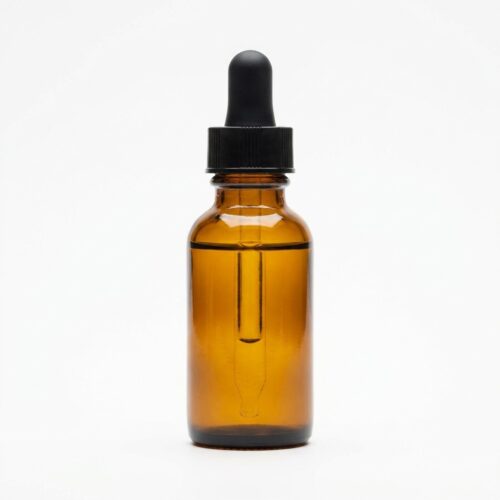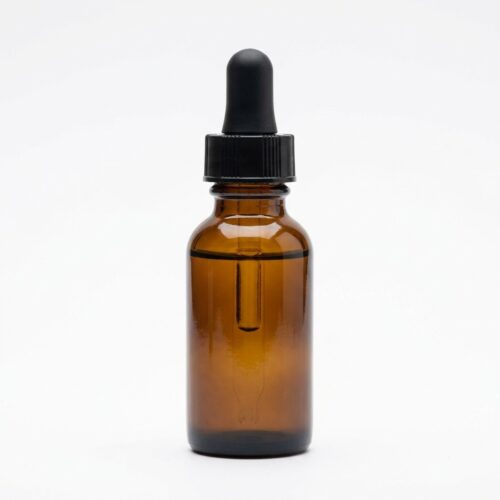
Sandalwood Essential Oil is a therapeutic-grade oil steam-distilled from the heartwood of Santalum album (Indian sandalwood) or Santalum spicatum (Australian sandalwood), presenting as slightly yellow. Dominated by alpha-santalol and beta-santalol (minimum 90% in authentic grades), Sandalwood Oil delivers one of the most complex, warm, creamy, woody, and persistent base note fragrances in fine perfumery. It is among the most expensive natural fragrance materials in existence and one of the most historically revered aromatics in both Islamic, Hindu, Buddhist, and Ayurvedic traditions.
In skincare, santalol compounds have demonstrated clinically significant anti-inflammatory, skin-smoothing, and melanin-inhibiting properties — making Sandalwood Oil both a luxury fragrance and a premium active skincare ingredient.
Applications:
- Fine Fragrance (essential creamy woody base note in oriental, luxury, and feminine perfumes)
- Skincare (anti-inflammatory, skin-smoothing, and brightening luxury formulations)
- Aromatherapy (spiritual practice, meditation, calming and grounding blends)
- Premium Personal Care (luxury body care, hair fragrance, prestige cosmetics)
Key Features & Benefits:
- Slightly yellow – authentic high-santalol sandalwood essential oil
- No animal substance – suitable for vegan and Halal-compliant formulations
- Among the most prized and expensive natural fragrance base notes globally
- Anti-inflammatory and skin-brightening from santalol compounds
- Deep spiritual heritage in Islamic, Hindu, Buddhist, and Ayurvedic traditions
What the santalol figure should look like
Santalols are the quality marker, but the right range depends on the species. For East Indian sandalwood (Santalum album), the ISO 3518 standard sets alpha-santalol at roughly 41–55% and beta-santalol at roughly 16–24%. Australian sandalwood (Santalum spicatum) is a different oil with markedly lower santalol, a drier and more resinous profile, and notable farnesol, which is a declarable allergen. Compare a GC report against the range for the species actually supplied, not against a single headline santalol number.
Supply, legality and substitutes
Wild Indian sandalwood has been heavily over-harvested and its trade is tightly controlled, so much Santalum album oil now comes from plantations, including in Australia. Ask for species, origin and documentation of legal harvest. Watch for substitutes sold under similar names: amyris oil (“West Indian sandalwood”) is an unrelated species, and synthetic sandalwood aroma chemicals or dilution in odourless carriers are the common adulterants. The GC-MS should show santalols and related sesquiterpenes and nothing unexplained.
In the formula
As a base note it fixes and rounds florals such as Rose Oil and Jasmine Oil, and pairs with Patchouli Oil in woody accords.
What to ask for on the certificate of analysis
- Species by Latin name (Santalum album or Santalum spicatum)
- Country of origin, plantation or wild source, and legal-harvest documentation
- GC profile with alpha- and beta-santalol quantified against the relevant ISO standard
- Physical constants: relative density, refractive index, optical rotation
- Statement of no added synthetics or diluents
- Declarable fragrance allergens and a current IFRA certificate
- Batch number and date of manufacture