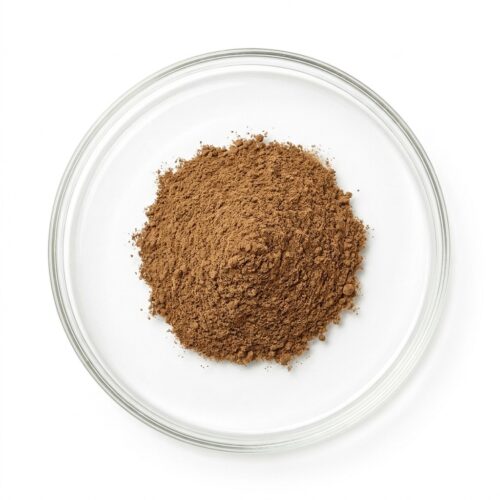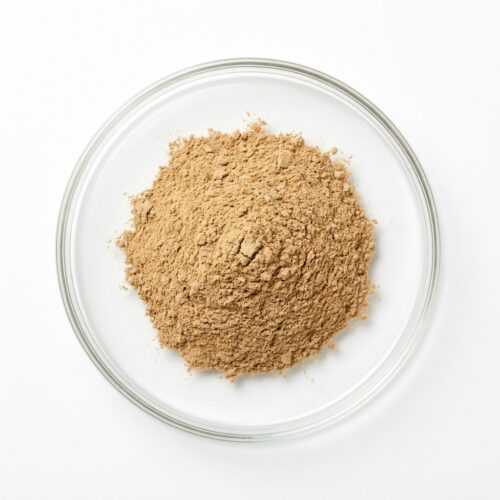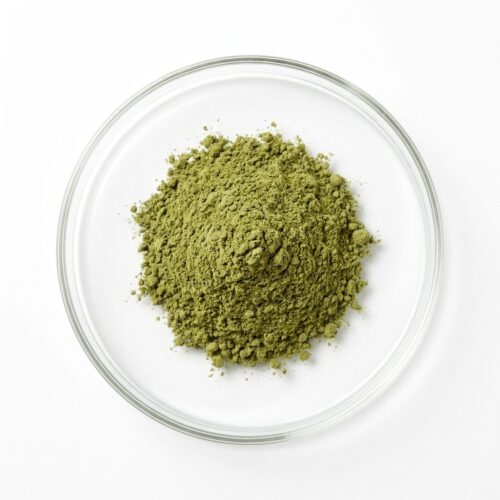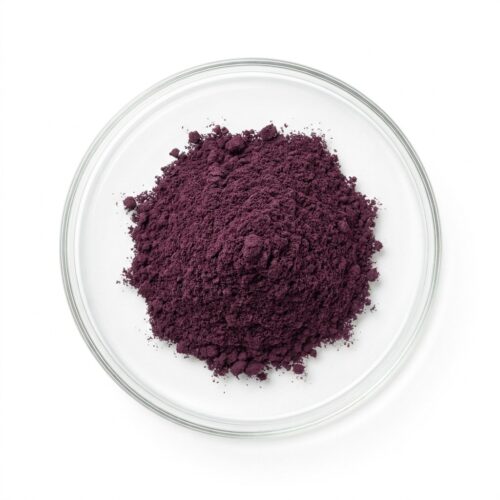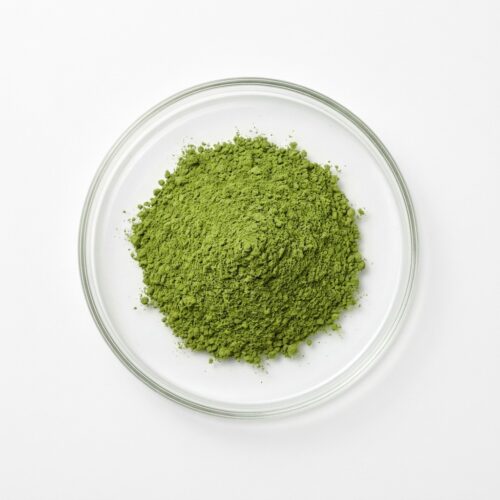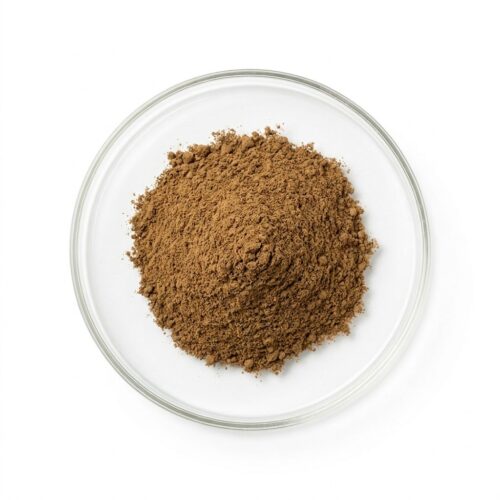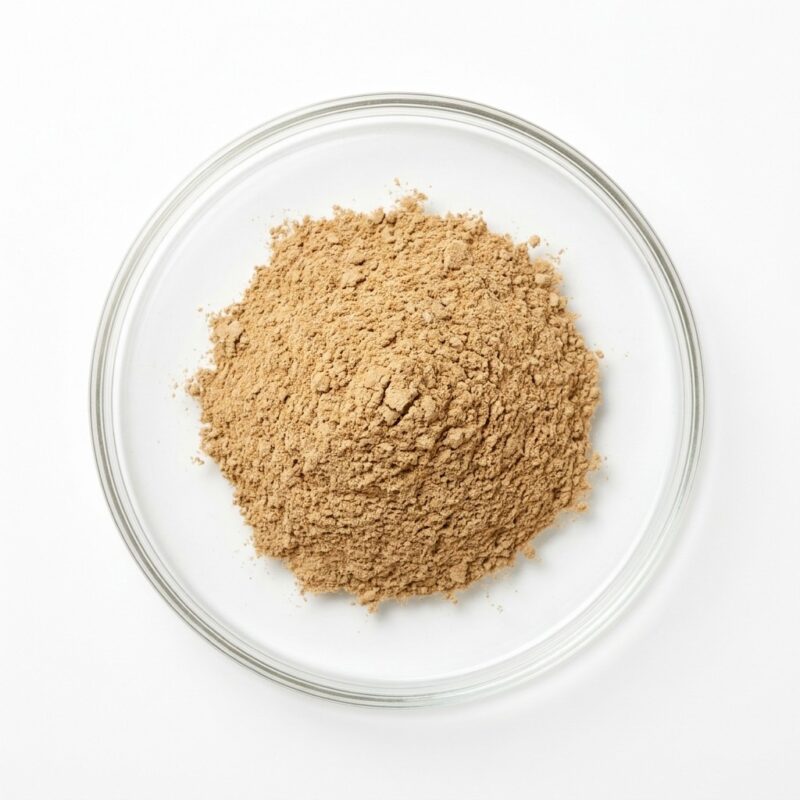
Gymnema Sylvestre Extract 75% is standardised to a minimum 75% gymnemic acids — the highest commercially available concentration of Gymnema’s primary bioactives. Gymnemic acids have a unique dual mechanism: they suppress sweet taste perception on the tongue and block intestinal glucose absorption, making Gymnema the most potent natural sugar-craving suppressant and glucose management botanical available.
Applications:
- Blood sugar management and diabetic health formulations
- Sugar craving suppression and weight management products
- Metabolic syndrome and insulin resistance supplements
- Anti-obesity and appetite control formulations
Key Features & Benefits:
- 75% gymnemic acids — highest standardisation available
- Dual action: taste suppression + intestinal glucose blocking
- Clinically studied for fasting blood glucose reduction
- No animal substance – halal-certified
- Suitable for capsules, tablets, and functional food applications
How gymnemic acids are measured
Gymnemic acids are a mixture of triterpene saponins from the leaves of Gymnema sylvestre. They are measured either by a gravimetric or titration method as total gymnemic acids, or by HPLC after hydrolysis to their common core, gymnemagenin. The two approaches give different numbers, so ask which method the 75% figure uses before comparing suppliers.
Sweet-taste suppression affects your product
Gymnemic acids briefly block the sweet taste receptors on the tongue. That is the basis of “sugar craving” positioning, but it also means a chewable, lozenge or drink containing gymnema will make sweet flavours taste flat. Most products therefore use swallowed capsules or tablets.
Formulation notes
The extract is bitter; keep packs sealed and dry. In blood-sugar formulations it is often combined with other botanicals; check the combined claims against the rules of your market. A related carbohydrate-focused ingredient is White Kidney Bean Extract.
What to ask for on the certificate of analysis
- Botanical name and plant part (Gymnema sylvestre leaf)
- Gymnemic acids content with method (gravimetric/titration or HPLC as gymnemagenin)
- Extraction solvent and carrier with its percentage
- Identity test (TLC or HPLC fingerprint)
- Loss on drying, heavy metals (lead, arsenic, cadmium, mercury) and pesticide residues
- Microbiology: total plate count, yeast and mould, E. coli, Salmonella
- Batch number, manufacture and retest dates