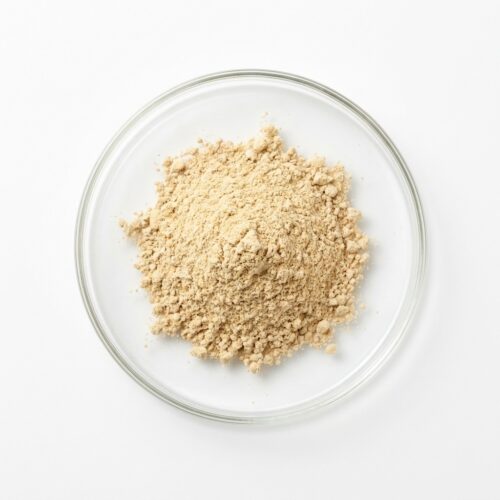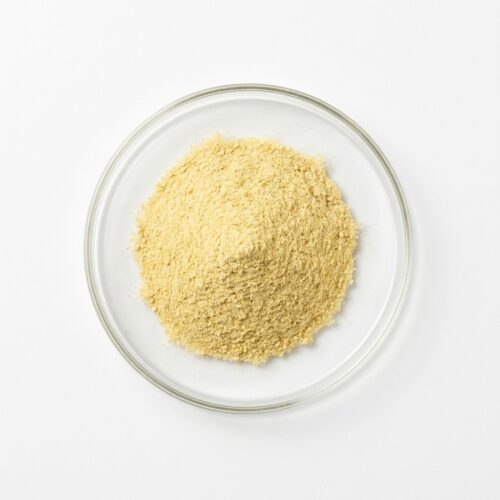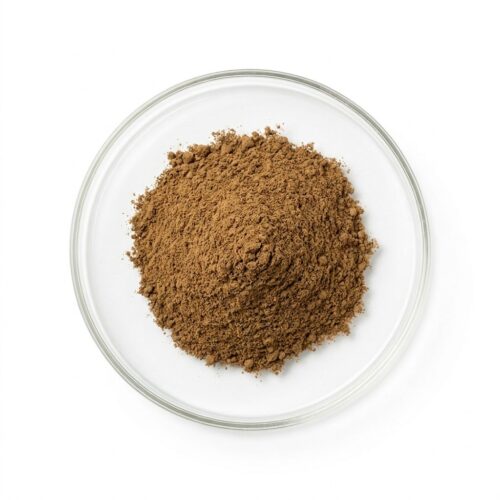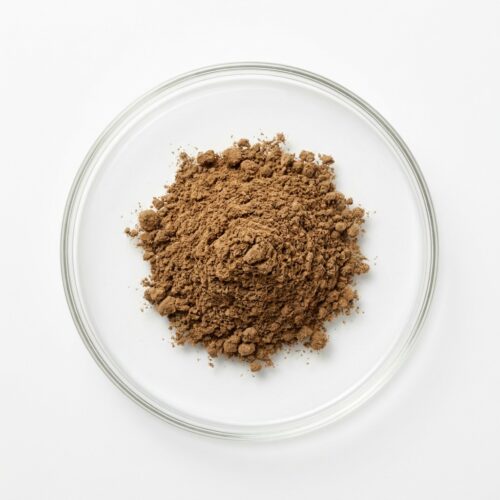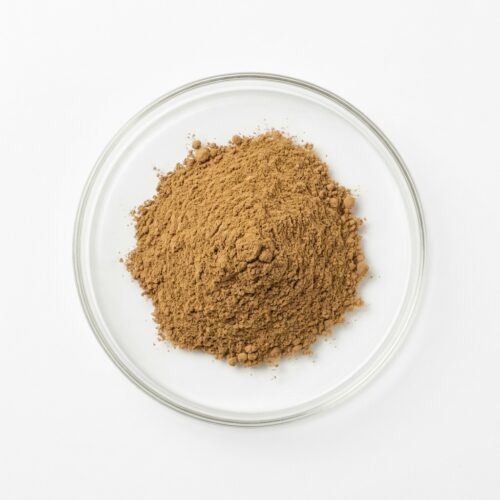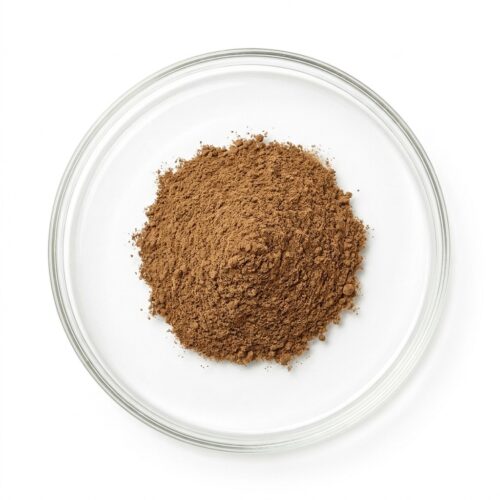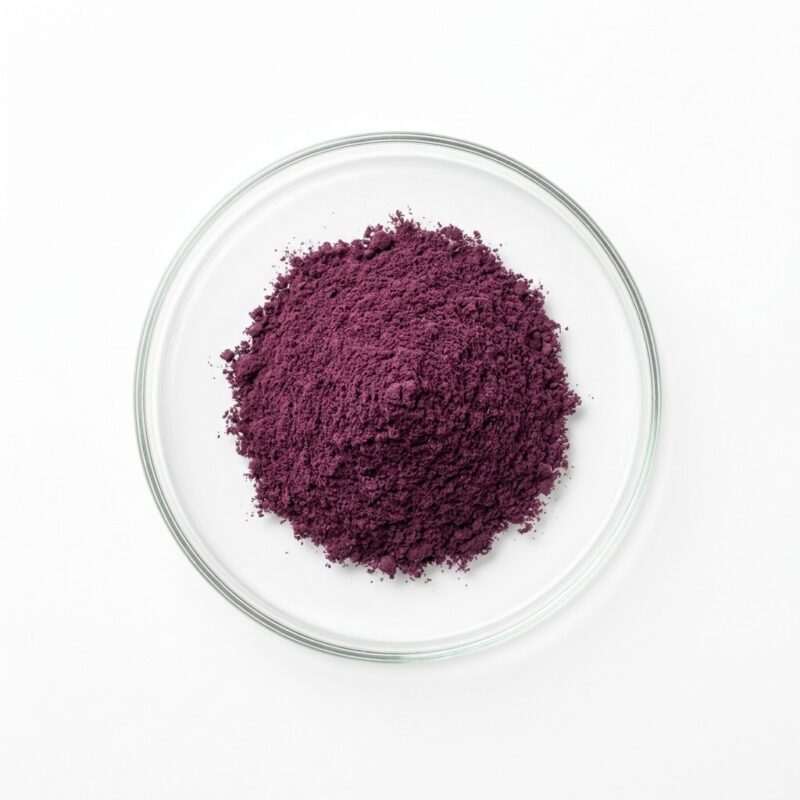
Lycopene is a carotenoid pigment responsible for the red colour of tomatoes, watermelon, and pink grapefruit. It is the most potent singlet oxygen quencher among all natural carotenoids — twice as effective as beta-carotene. Lycopene accumulates preferentially in the prostate gland and skin, with strong epidemiological and clinical evidence for prostate health protection and UV-induced skin damage prevention.
Applications:
- Men’s prostate health and BPH prevention formulations
- Skin photoprotection and UV defence supplements
- Cardiovascular antioxidant formulations
- Natural red food colouring for functional foods and beverages
Key Features & Benefits:
- Most potent natural singlet oxygen quencher — 2x beta-carotene
- Accumulates in prostate — clinically linked to prostate health
- Reduces UV-induced skin oxidative damage
- No animal substance – halal-certified
- Available in 5%, 10% standardised and oleoresin forms
Three kinds of lycopene
Lycopene is supplied in forms that differ in source, composition and handling. Tomato oleoresin is a solvent extract of tomatoes: a dark red, viscous oil that carries lycopene together with other tomato carotenoids such as phytoene, phytofluene and beta-carotene, plus tocopherols. Crystalline lycopene is near-pure lycopene, made either by fermentation of the fungus Blakeslea trispora or by chemical synthesis. Beadlets and cold-water-dispersible powders are formulated versions of either, built for tablets, capsules and drinks. The percentage on the label means different things in each case, so compare like with like.
Isomers, assay and stability
Natural lycopene is mostly the all-trans isomer; heat, light and processing convert part of it to cis isomers. An HPLC method separates and reports isomers, while a simple UV method gives a total figure. Lycopene is very sensitive to oxygen and light, so antioxidants in the formulation, nitrogen-flushed packaging and cool, dark storage protect potency. As a colour, it is permitted in food in many markets under its own additive number (E160d in the EU).
Related carotenoids
For another carotenoid with similar handling needs, see Astaxanthin.
What the research says
- A 2013 meta-analysis of 6 intervention studies found that lycopene supplements lowered systolic blood pressure by about 5 mmHg, with larger effects above 12 mg a day and in people with higher baseline blood pressure. There was no significant effect on diastolic pressure. [1]
- A 2017 meta-analysis of 14 observational studies found that higher lycopene exposure was associated with a lower risk of cardiovascular disease (risk ratio 0.83). Observational studies show association, not cause, and the authors call for randomised trials. [2]
These summaries describe published research on the ingredient. They are not claims for any finished product; claims on finished products must meet the rules of the market where they are sold.
References
- Li X, Xu J. Lycopene supplement and blood pressure: an updated meta-analysis of intervention trials. Nutrients. 2013;5(9):3696–3712. doi:10.3390/nu5093696
- Song B, et al. Lycopene and risk of cardiovascular diseases: a meta-analysis of observational studies. Mol Nutr Food Res. 2017;61(9). doi:10.1002/mnfr.201601009
What to ask for on the certificate of analysis
- Form (oleoresin, crystals, beadlet or powder) and source (tomato, fermentation or synthetic)
- Lycopene content by HPLC, with all-trans and cis isomers
- Other carotenoids, for tomato oleoresin
- Residual solvents, for extracts
- Heavy metals and pesticide residues
- Microbiology, for powders and beadlets
- Carrier and antioxidant system, GMO and allergen statements, Halal certificate, batch and retest dates