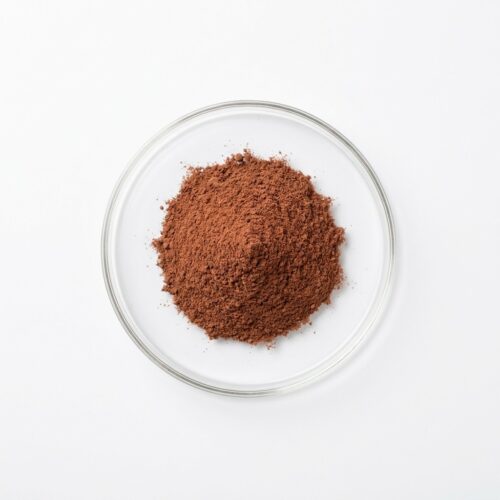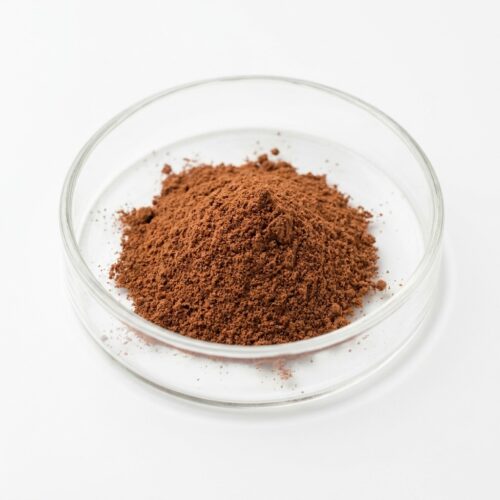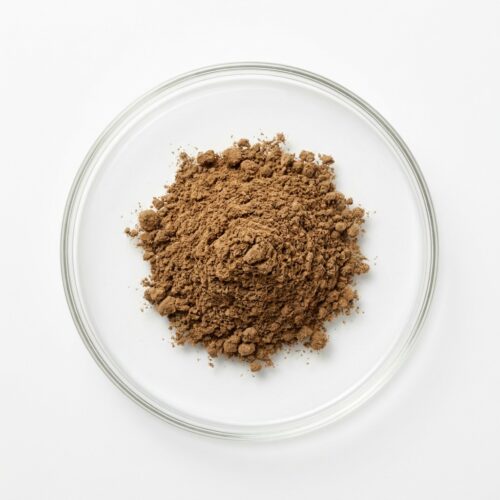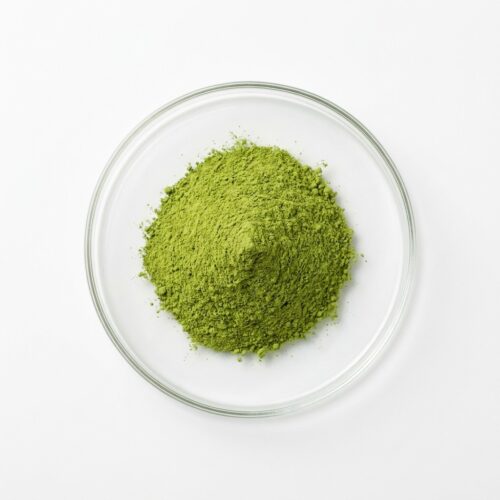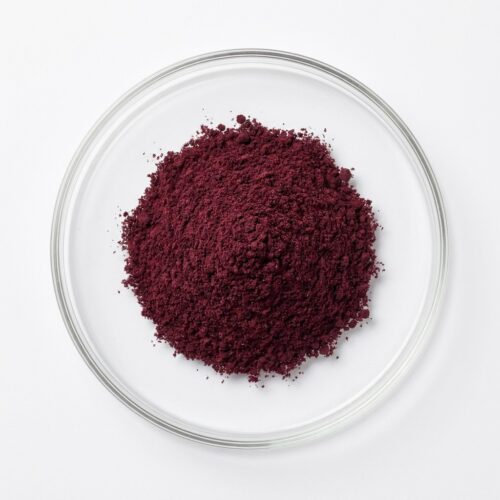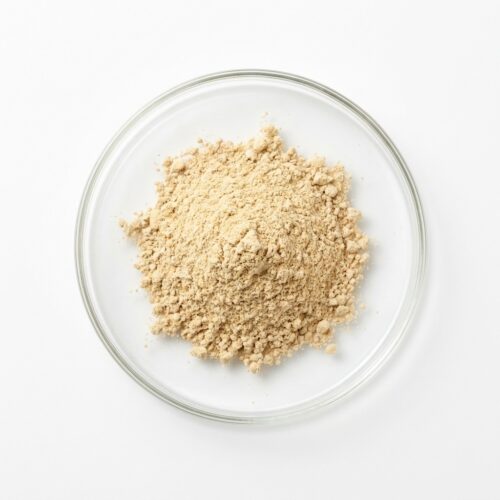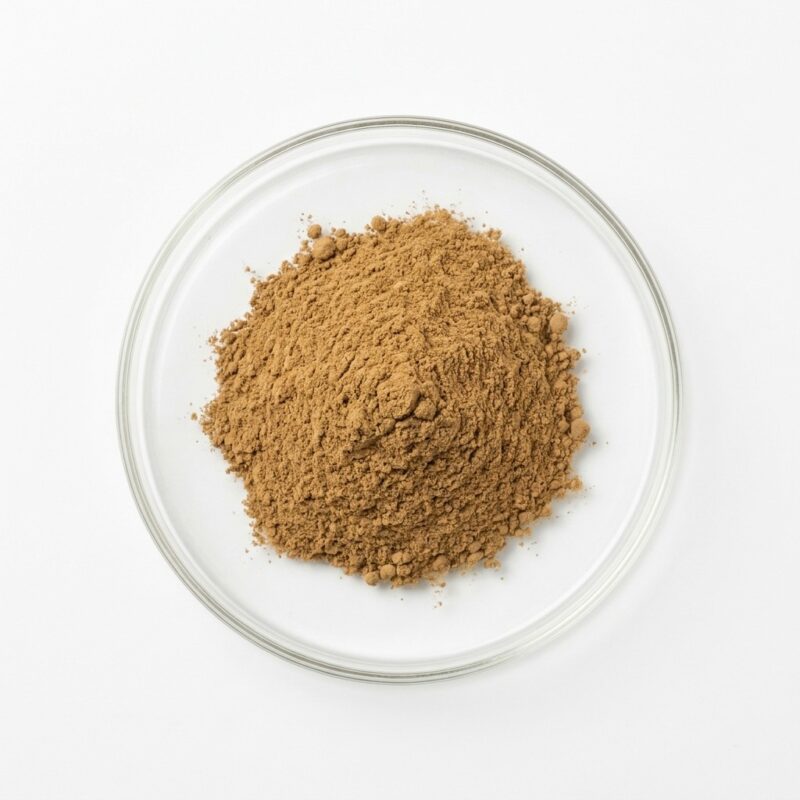
Mulberry Extract Powder (Morus alba) is standardised for 1-deoxynojirimycin (DNJ) — the primary bioactive iminosugar that inhibits intestinal alpha-glucosidase, slowing carbohydrate digestion and reducing post-meal blood sugar spikes. Mulberry is widely used in East Asian traditional medicine and is increasingly popular in modern blood sugar management, weight management, and skin brightening formulations due to its DNJ and anthocyanin content.
Applications:
- Blood sugar management and diabetic health formulations
- Weight management and carbohydrate blocking products
- Skin brightening (mulberroside F tyrosinase inhibitor)
- Antioxidant and anti-ageing supplement formulations
Key Features & Benefits:
- DNJ (1-deoxynojirimycin) — natural alpha-glucosidase inhibitor
- Reduces post-prandial blood glucose elevation
- Mulberroside F — tyrosinase inhibitor for skin brightening
- No animal substance – halal-certified
- Rich in anthocyanins — potent antioxidant activity
Leaf, fruit or root bark
Different parts of white mulberry (Morus alba) give different extracts. Leaf extract carries 1-deoxynojirimycin (DNJ), the iminosugar behind the blood-glucose interest. Fruit extract carries mainly anthocyanins. Mulberroside F, used in skin-brightening products, is associated with the root bark and leaves. One extract is unlikely to deliver all three, so ask which part was used and what it is standardised to.
Measuring DNJ
DNJ has no natural UV absorbance, so it cannot be measured by simple UV methods. Reliable figures come from HPLC after derivatisation, or from HPLC with mass spectrometry or other detectors. A DNJ percentage without a stated method is hard to compare between suppliers.
Formulation and safety
Like other alpha-glucosidase inhibitors, DNJ-rich extracts can cause wind and bloating at higher doses, and they may add to the effect of diabetes medicines. Blood-glucose claims are tightly regulated. Other botanicals used in this category include Bitter Melon Extract and Gymnema Sylvestre Extract; for skin brightening, see Alpha Arbutin.
What to ask for on the certificate of analysis
- Species, plant part (leaf, fruit or root bark) and extraction solvent
- DNJ content with the HPLC method; anthocyanins for fruit extracts
- Heavy metals and pesticide residues
- Residual solvents
- Microbiology: total plate count, yeast and mould, E. coli, Salmonella
- Carrier (if any), Halal certificate, batch number, manufacture and retest dates