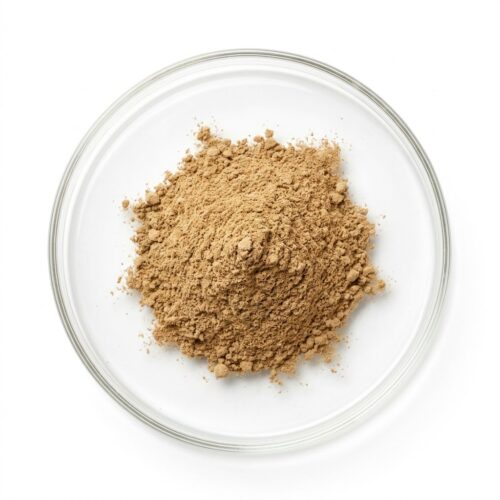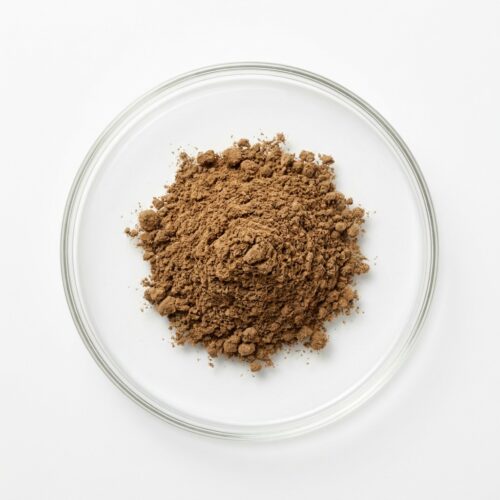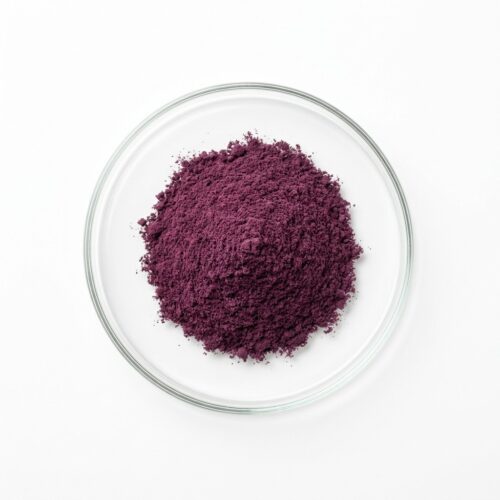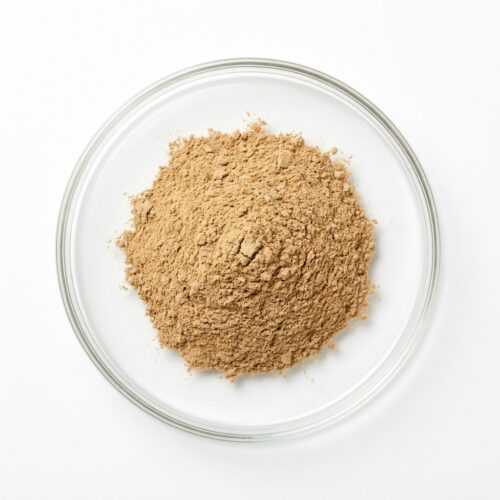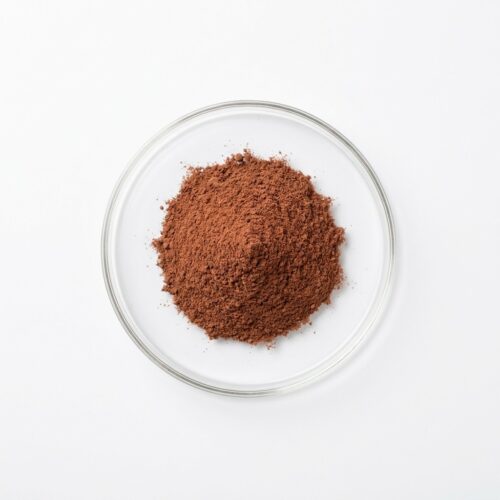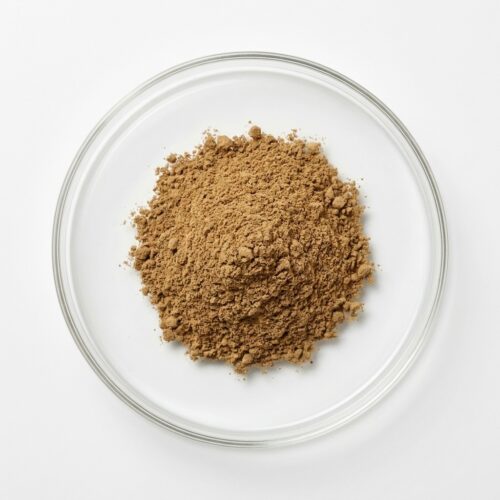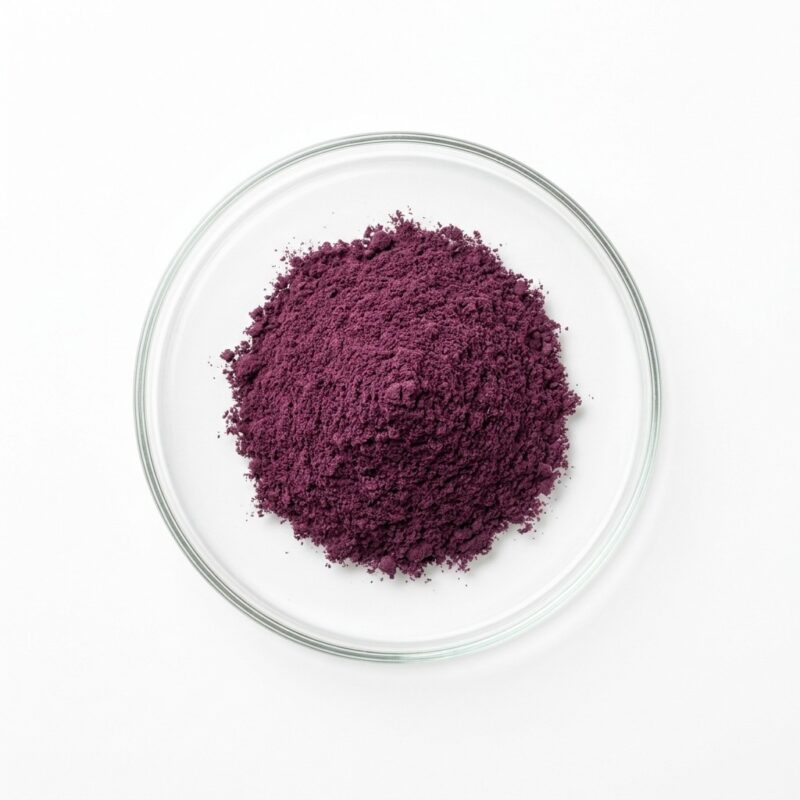
Cranberry Extract (10:1) is a concentrated botanical extract derived from the fruits of Vaccinium macrocarpon, one of the most clinically studied fruits for urinary tract health. At a 10:1 concentration ratio, this extract delivers a potent dose of proanthocyanidins (PACs) — specifically type-A proanthocyanidins unique to cranberry — which are responsible for its well-documented ability to prevent the adhesion of harmful bacteria (particularly E. coli) to urinary tract epithelial cells.
Cranberry Extract is a cornerstone ingredient in the global urinary tract health supplement market and has growing application in women’s health, antioxidant, and dental health formulations.
Applications:
- Nutraceuticals (urinary tract health capsules, UTI prevention supplements, women’s health blends)
- Women’s Health (recurring UTI prevention formulations, intimate health supplements)
- Antioxidant Supplements (polyphenol and anthocyanin-rich antioxidant blends)
- Oral Health (dental health formulations – anti-adhesion for oral bacteria)
Key Features & Benefits:
- 10:1 concentrated type-A proanthocyanidin-rich urinary health extract
- Clinically studied for preventing bacterial adhesion in the urinary tract
- Gold standard natural UTI prevention ingredient globally
- Halal-certified & food-grade quality
- Suitable for capsule, gummy, powder, and beverage formulations
PAC figures depend on the method
Cranberry (Vaccinium macrocarpon) proanthocyanidins (PACs) are measured by several methods, including DMAC, BL-DMAC, vanillin and HPLC, and the same sample gives very different numbers depending on the method. A PAC percentage means little unless the method is stated. Also ask whether the extract is made from cranberry fruit alone, because some PAC tests cannot tell cranberry PACs from cheaper procyanidin sources.
What a 10:1 ratio tells you
A 10:1 ratio describes how much fruit went into the extract, not its PAC or anthocyanin content. If you want to design a product to match the dose in published studies, ask for PACs with the method and for total anthocyanins.
Formulation notes
Cranberry extract is tart and astringent and has a deep red colour that can shift with pH. It is used in capsules, powders and gummies. For other procyanidin-rich ingredients, see Pine Bark Extract and Pomegranate Extract.
What the research says
- A 2023 Cochrane review of 50 trials (8,857 participants) found, with moderate-certainty evidence, that cranberry products reduced the risk of symptomatic, culture-confirmed urinary tract infections overall (risk ratio 0.70). The benefit was seen in women with recurrent infections, in children and in people at risk after medical procedures. There may be little or no benefit in elderly people in care homes, pregnant women or people with bladder-emptying problems. [1]
- The same review could not tell whether juice and tablets differ or whether higher PAC doses work better: no difference between low, moderate and high PAC doses was shown, and the evidence on these points was of very low certainty. [1]
These summaries describe published research on the ingredient. They are not claims for any finished product; claims on finished products must meet the rules of the market where they are sold.
References
- Williams G, et al. Cranberries for preventing urinary tract infections. Cochrane Database Syst Rev. 2023;4(4):CD001321. doi:10.1002/14651858.CD001321.pub6
What to ask for on the certificate of analysis
- Botanical name and plant part (Vaccinium macrocarpon fruit)
- Proanthocyanidins (PACs) with the method stated (DMAC, BL-DMAC or other)
- Total anthocyanins, if specified
- Extraction ratio, solvent and carrier with its percentage
- Loss on drying, heavy metals (lead, arsenic, cadmium, mercury) and pesticide residues
- Microbiology: total plate count, yeast and mould, E. coli, Salmonella
- Batch number, manufacture and retest dates