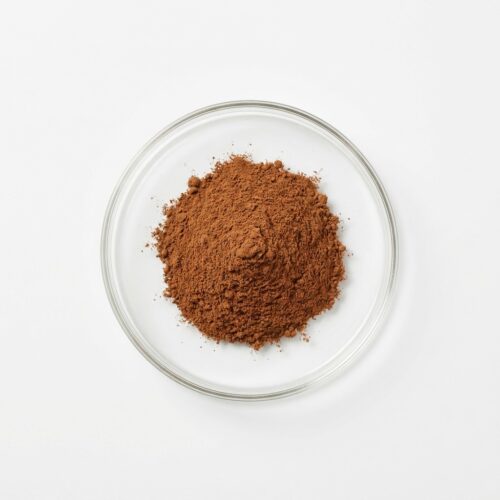
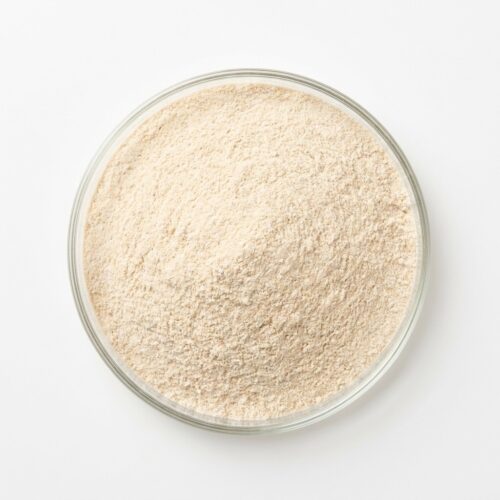
Safflower Oil Powder is a microencapsulated powder ingredient derived from the oil of Carthamus tinctorius seeds. Safflower oil is one of the richest sources of linoleic acid (omega-6 CLA precursor) among commercially available plant oils, and specific varieties are also high in oleic acid (omega-9). The microencapsulated powder format provides oxidative stability and ease of incorporation into dry formulations, making it a versatile ingredient for food, nutraceutical, and sports nutrition applications.
High-linoleic safflower oil is increasingly used in weight management and body composition formulations, where its relationship to CLA (conjugated linoleic acid) metabolism is leveraged for fat-loss and lean mass support benefits.
Applications:
- Sports Nutrition (body composition, lean mass support, fat metabolism blends)
- Nutraceuticals (essential fatty acid supplements, omega-6 formulations)
- Functional Foods (fatty acid-enriched health bars, meal replacements)
- Cosmeceuticals (skin barrier support, moisturising topical formulations)
Key Features & Benefits:
- Rich source of linoleic acid (omega-6) from microencapsulated powder
- Microencapsulated for oxidative stability in dry formulations
- Supports body composition and essential fatty acid nutrition
- Halal-certified & food-grade quality
- Suitable for capsule, softgel, powder, and food fortification applications
Linoleic or oleic type
Safflower (Carthamus tinctorius) oil comes in two main types: high-linoleic, rich in the omega-6 fatty acid linoleic acid, and high-oleic, rich in the omega-9 fatty acid oleic acid. They behave differently in products and in research, so ask which type your powder is made from and for its fatty acid profile. The powder is made by emulsifying the oil with a carrier and spray-drying it.
Safflower oil is not CLA
Commercial CLA (conjugated linoleic acid) is made by chemically rearranging linoleic acid from oils such as safflower oil. Eating safflower oil itself is not the same as taking CLA: the body converts only a little linoleic acid into CLA. Do not describe safflower oil powder as a CLA source.
Formulation notes
High-linoleic oil oxidises more easily than high-oleic oil. Check the peroxide value over shelf life and keep packs sealed and cool. Ask what the carrier and emulsifier are, because some powders use milk protein, which is an allergen.
What the research says
- In a randomised, double-masked crossover trial, 55 obese postmenopausal women with type 2 diabetes took 8 g a day of safflower oil or CLA for 16 weeks each. Safflower oil did not change BMI or total body fat, but trunk fat fell, lean mass rose, fasting glucose fell and adiponectin rose. Only 35 women completed the study, and the results apply to the oil, not to a powder. [1]
These summaries describe published research on the ingredient. They are not claims for any finished product; claims on finished products must meet the rules of the market where they are sold.
References
- Norris LE, et al. Comparison of dietary conjugated linoleic acid with safflower oil on body composition in obese postmenopausal women with type 2 diabetes mellitus. Am J Clin Nutr. 2009;90(3):468-76. doi:10.3945/ajcn.2008.27371
Halal certification
This ingredient is listed as “Safflower Oil Powder” on FC Materials’ Halal certificate (Sijil Pengesahan Halal, MS 1500:2019), issued through the Penang Islamic Religious Council (MAINPP) and the Department of Islamic Development Malaysia (JAKIM). Reference JAKIM.700-2/3/1 105-07/2022, valid until 15 October 2028. Ask us for a copy.
What to ask for on the certificate of analysis
- Oil type (high-linoleic or high-oleic) and fatty acid profile
- Oil content of the powder, carrier and emulsifier (with allergens)
- Peroxide value, anisidine value and TOTOX, tested on oil extracted from the powder
- Heavy metals, and dioxins and PCBs where required by the destination market
- Microbiology: total plate count, yeast and mould, E. coli, Salmonella
- Batch number, manufacture and retest dates; nitrogen-flushed pack