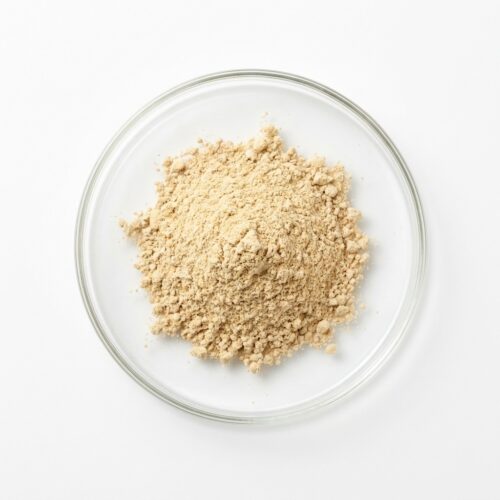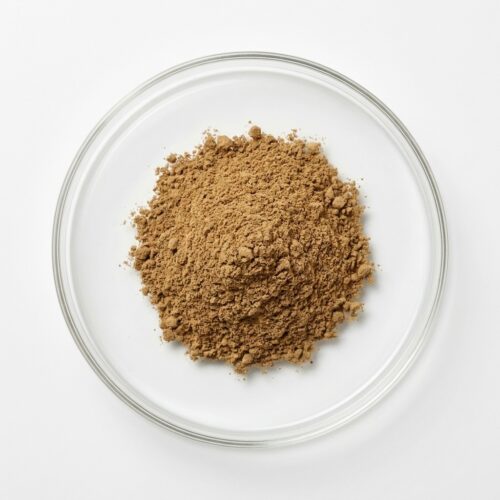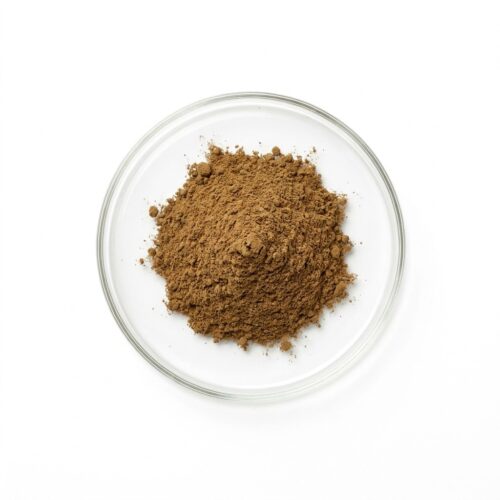
Vitamin K2 MK7 0.2% is a highly bioavailable, long-chain menaquinone form of vitamin K2 derived from natto fermentation. MK-7 has a significantly longer half-life than MK-4, remaining active in the bloodstream for over 72 hours. It is clinically validated for directing calcium to bones (via osteocalcin activation) while preventing arterial calcification (via Matrix Gla Protein activation).
Applications:
- Bone health supplements (combined with Vitamin D3 and calcium)
- Cardiovascular health and arterial stiffness formulations
- Osteoporosis prevention supplements
- Multivitamin and women’s health formulations
Key Features & Benefits:
- MK-7 form — longest half-life vitamin K2, once-daily dosing
- 0.2% standardised — precise, accurate dosing in formulations
- Activates osteocalcin for bone mineralisation
- Activates MGP to prevent arterial and soft tissue calcification
- No animal substance – suitable for halal formulations
What “0.2%” means
Menaquinone-7 (MK-7) is dosed in micrograms, so it is supplied diluted. A 0.2% grade contains 2,000 micrograms of MK-7 per gram, usually on a carrier such as microcrystalline cellulose, starch or calcium phosphate. Calculate the dose on the MK-7 content, and check content uniformity in the finished batch.
All-trans matters
Only the all-trans form of MK-7 is considered biologically active. Fermentation from natto (Bacillus subtilis natto) gives the all-trans form. Synthetic routes can also produce cis isomers, which add to a total MK-7 figure without adding activity. Ask for MK-7 by HPLC reported as all-trans, with cis isomers stated.
Stability in mineral blends
MK-7 is sensitive to light, and in some mineral premixes it degrades faster, especially with alkaline minerals such as magnesium oxide or calcium carbonate. Microencapsulated grades are made for these blends. Run stability on the actual formula, particularly when combining it with Calcium Carbonate.
Source documents
A natto-fermented grade may need a soy allergen statement and a GMO statement for the fermentation substrate. Confirm the origin claim against the production route.
What the research says
- A 2025 meta-analysis of 9 randomised trials (2,570 postmenopausal women with osteoporosis) found that vitamin K2 improved bone turnover markers, raising osteocalcin and lowering undercarboxylated osteocalcin. The authors say longer studies are needed to confirm clinical benefits such as bone mineral density. [1]
- In a 2026 randomised trial of 180 patients with coronary artery disease, 360 µg/day of MK-7 for 2 years slowed the rise in coronary calcium score compared with placebo. The authors say the clinical significance is still to be determined. [2]
- The evidence is not uniform. In a 24-month trial of 388 older men, 720 µg/day of vitamin K2 with vitamin D3 did not change inflammation of the fat around the heart or systemic inflammation markers. [3]
These summaries describe published research on the ingredient. They are not claims for any finished product; claims on finished products must meet the rules of the market where they are sold.
References
- Zhang Z, et al. The effect of vitamin K2 supplementation on bone turnover biochemical markers in postmenopausal osteoporosis patients: a systematic review and meta-analysis. Front Endocrinol (Lausanne). 2025;16:1703116. doi:10.3389/fendo.2025.1703116
- Vossen LM, et al. Two years of menaquinone-7 supplementation and coronary artery calcification: a randomized clinical trial. JAMA Cardiol. 2026;11(8):719–726. doi:10.1001/jamacardio.2026.1279
- Hasific S, et al. Effects of vitamin K2 and D3 supplementation on epicardial adipose tissue and systemic inflammation: a substudy of the AVADEC trial. Atherosclerosis. 2025;410:120540. doi:10.1016/j.atherosclerosis.2025.120540
What to ask for on the certificate of analysis
- Production route (natto fermentation or synthesis) and carrier
- MK-7 by HPLC: all-trans content, with cis isomers stated
- Encapsulation (if any) and its materials
- Heavy metals and residual solvents
- Microbiology
- Allergen (soy) and GMO statements
- Halal certificate, batch number, manufacture and retest dates