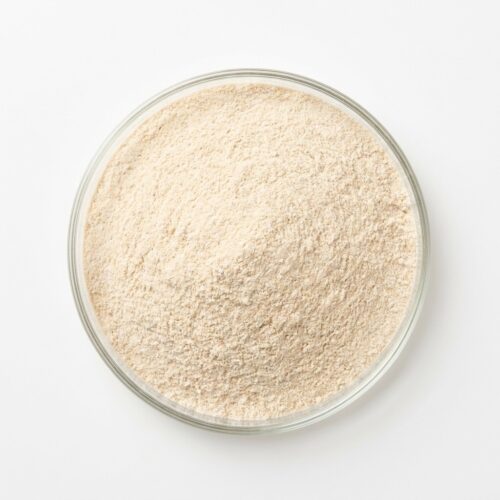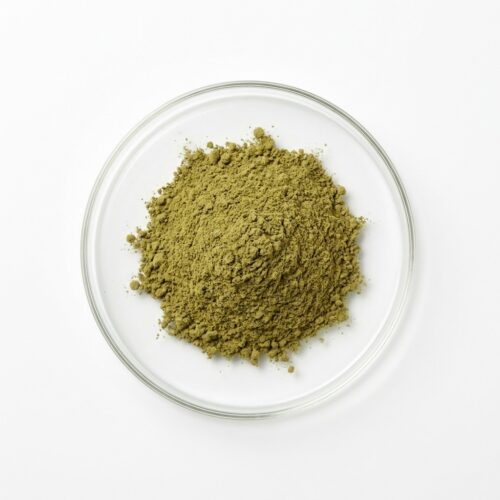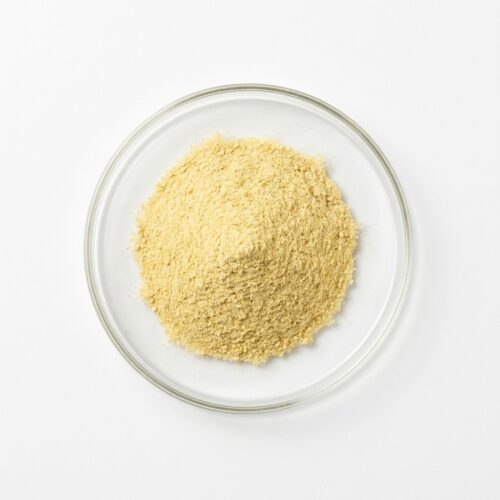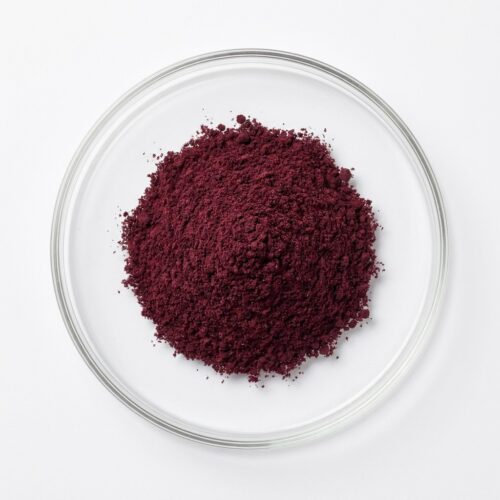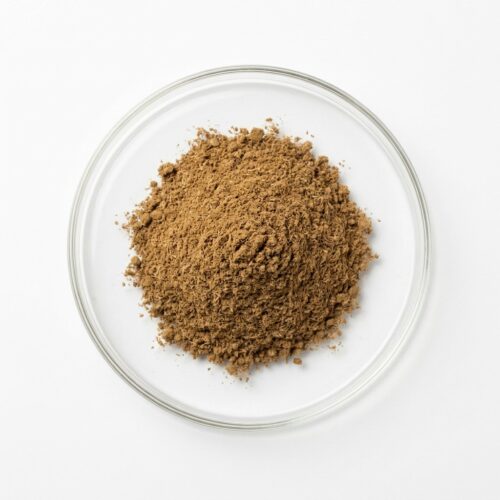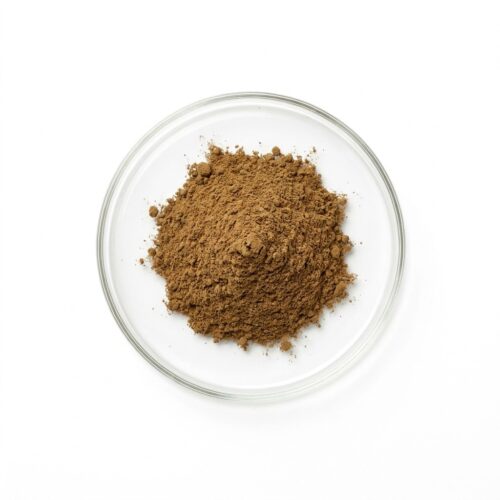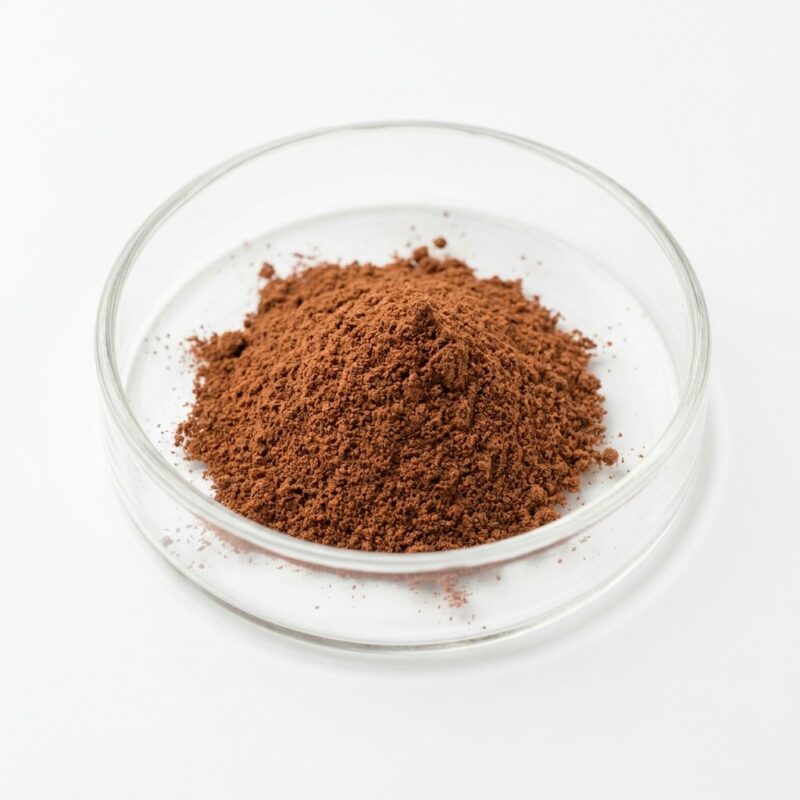
Hawthorn Berry Extract (10:1) is a concentrated botanical extract derived from the berries, leaves, and flowers of Crataegus species, plants with a centuries-long tradition of use in European and TCM herbal medicine for cardiovascular health. At a 10:1 concentration ratio, this Halal-certified extract delivers a potent dose of oligomeric proanthocyanidins (OPCs), flavonoids (vitexin), and triterpenoids — bioactive compounds associated with improved cardiac function, blood pressure regulation, and vascular protection.
Applications:
- Nutraceuticals (heart health supplements, blood pressure support formulations, cardiovascular blends)
- Elderly Health (cardiac and circulatory support for mature consumers)
- TCM-Inspired Supplements (traditional heart tonic formulations)
- Functional Foods (heart-health fortified products)
Key Features & Benefits:
- 10:1 concentrated OPC and flavonoid-rich cardiovascular botanical
- Clinically studied for blood pressure regulation and cardiac support
- Strong European and TCM heritage in heart health applications
- Halal-certified & food-grade quality
- Suitable for capsule, tablet, and liquid formulations
Berry, or leaf and flower?
Hawthorn (Crataegus species) is sold as berry extract and as leaf-with-flower extract, and the two are not the same. Leaf-with-flower extracts are usually standardised to oligomeric procyanidins (OPCs) or to flavonoids such as vitexin-2″-O-rhamnoside and hyperoside. Berry extracts have a different flavonoid profile. Ask the supplier which part this extract is made from and for an OPC or flavonoid figure.
A 10:1 ratio is not a standard
The ratio tells you how much dried plant went into the extract, not how much OPC or flavonoid it contains. Most clinical studies used extracts with a stated OPC or flavonoid content, so a ratio-only extract cannot be matched to those studies without a marker figure.
Medication and labelling
Hawthorn is used mainly in heart-health products, and buyers of those products are often on heart medicines. Plan for a label statement advising users on medication to speak to their doctor. For a whole-fruit option, see Hawthornberry Powder.
What the research says
- A 2008 Cochrane review of 14 double-blind trials found that hawthorn leaf-and-flower extract, mostly added to usual treatment in chronic heart failure, improved maximal workload, exercise tolerance and symptoms such as shortness of breath and fatigue compared with placebo. The trials reported almost no data on deaths or cardiac events. Side effects were infrequent, mild and short-lived. Note that these trials used leaf-and-flower extracts, not berry extracts. [1]
- A 2006 safety review of 24 studies (5,577 patients analysed) found hawthorn generally well tolerated; the most common adverse events were dizziness, stomach complaints, headache and palpitations, with a few severe events reported. The authors warn that unsupervised use alongside other medicines can cause problems. [2]
These summaries describe published research on the ingredient. They are not claims for any finished product; claims on finished products must meet the rules of the market where they are sold.
References
- Pittler MH, Guo R, Ernst E. Hawthorn extract for treating chronic heart failure. Cochrane Database Syst Rev. 2008;(1):CD005312. doi:10.1002/14651858.CD005312.pub2
- Daniele C, et al. Adverse-event profile of Crataegus spp.: a systematic review. Drug Saf. 2006;29(6):523-535. doi:10.2165/00002018-200629060-00005
What to ask for on the certificate of analysis
- Botanical name and plant part (Crataegus species; berry, or leaf with flower)
- Oligomeric procyanidins (OPCs) or total flavonoids, with method
- Extraction ratio, solvent and carrier with its percentage
- Identity test (TLC or HPLC fingerprint)
- Loss on drying, heavy metals (lead, arsenic, cadmium, mercury) and pesticide residues
- Microbiology: total plate count, yeast and mould, E. coli, Salmonella
- Batch number, manufacture and retest dates