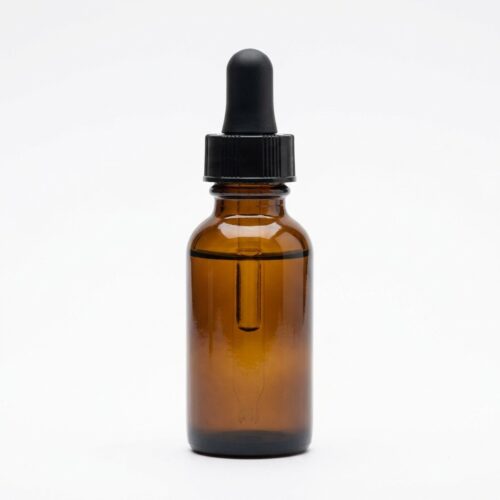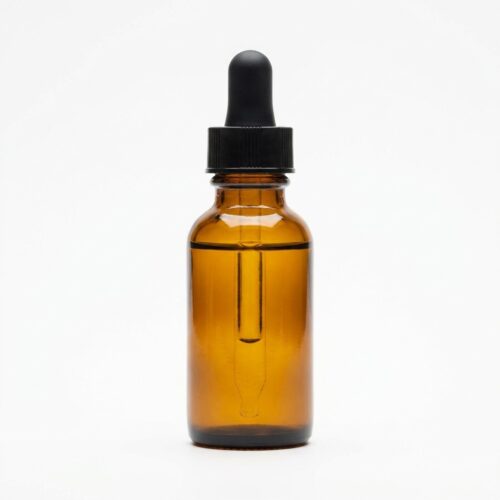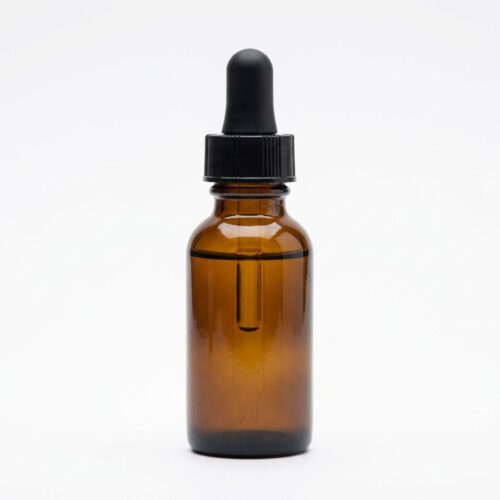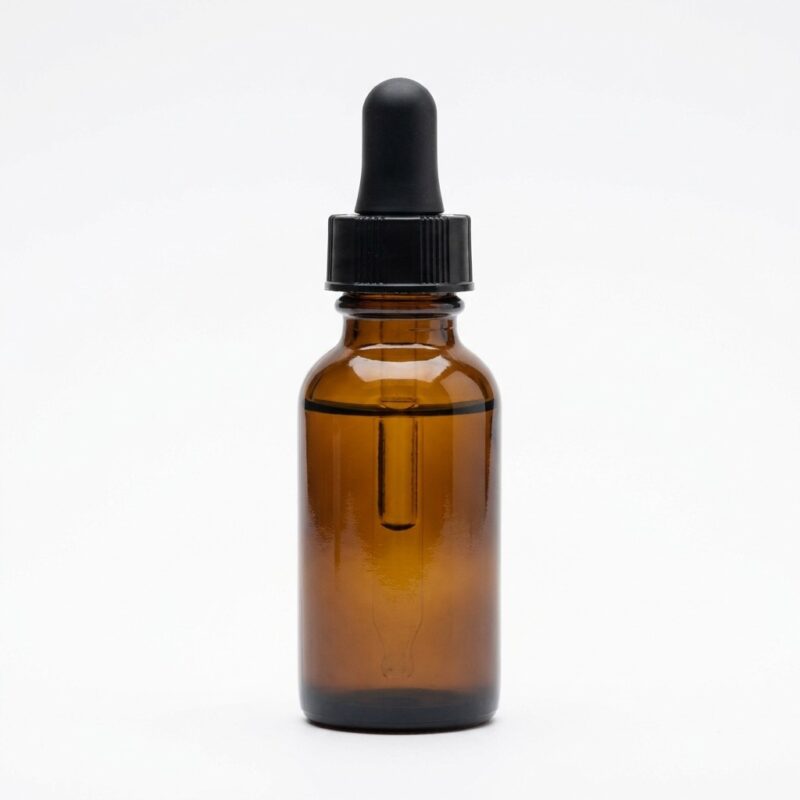
Bergamot Oil is a therapeutic-grade essential oil cold-pressed from the rind of Citrus bergamia (bergamot orange), presenting as a fluid liquid in green or olive green colour. The most refined and complex of the citrus essential oils, Bergamot is best known globally as the defining fragrance of Earl Grey tea and as a top note in an estimated 50% of all commercial perfumes. Its fresh, sweet-citrus, floral-spicy character with distinctive linalool and linalyl acetate notes makes it one of the most versatile and widely used essential oils in both aromatherapy and fine fragrance.
In aromatherapy, Bergamot Oil is widely used for its uplifting, anxiety-reducing, and mood-enhancing effects — with clinical studies supporting its role in reducing cortisol and improving emotional wellbeing.
Applications:
- Aromatherapy (anxiety relief, mood uplift, stress reduction diffuser blends)
- Fine Fragrance (top note in perfumes, colognes, and luxury personal care scents)
- Skincare (oily and acne-prone skin formulations, toning preparations)
- Personal Care (deodorants, aftershave, body care with fresh citrus fragrance)
Key Features & Benefits:
- Green to olive green fluid liquid – authentic cold-pressed bergamot oil
- No animal substance – suitable for vegan and Halal-compliant formulations
- Clinically studied for anxiety reduction and mood enhancement
- Defining top note in Earl Grey tea and luxury perfumery
- Antimicrobial and astringent – beneficial for oily and acne-prone skin
Furocoumarins and FCF grades
Cold-pressed bergamot oil naturally contains bergapten (5-methoxypsoralen), a furocoumarin that makes skin react to sunlight (phototoxicity). IFRA restricts furocoumarin levels in leave-on products applied to sun-exposed skin, so skincare and most leave-on personal care use a furocoumarin-free (FCF) or bergapten-free grade, produced by distillation or treatment of the cold-pressed oil. Rinse-off products are treated differently; the IFRA certificate and the finished-product safety assessment decide.
Quality markers and adulteration
Linalyl acetate and linalool carry bergamot’s floral character, with limonene as the main hydrocarbon. Because these compounds are cheap to reproduce synthetically, bergamot is a common target for adulteration with synthetic linalyl acetate and linalool or with other citrus oils; chiral GC analysis is the standard authenticity check. Calabria in southern Italy is the reference origin. Compare Lavender Oil, which shares the linalool and linalyl acetate backbone, and Lemon Oil.
Flavour versus cosmetic grade
Earl Grey flavouring uses food-grade bergamot oil produced and documented to flavouring standards. A cosmetic-grade oil is not automatically suitable for food, so ask for the grade that matches the end use.
What to ask for on the certificate of analysis
- Grade: cold-pressed, or FCF / bergapten-free
- Bergapten content
- GC profile with linalyl acetate, linalool and limonene quantified
- Authenticity statement or chiral GC result
- Physical constants: relative density, refractive index, optical rotation, evaporation residue
- Declarable fragrance allergens and a current IFRA certificate
- Origin, batch number, and food or cosmetic grade