
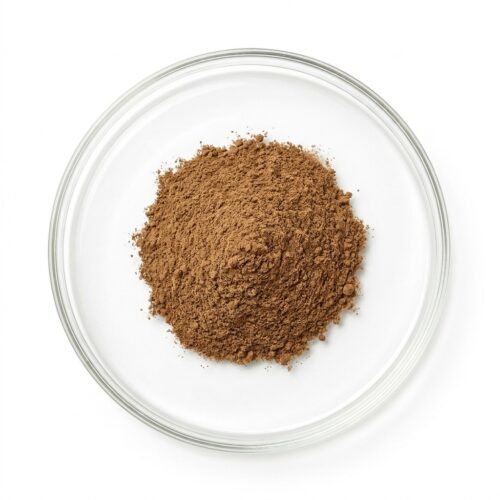
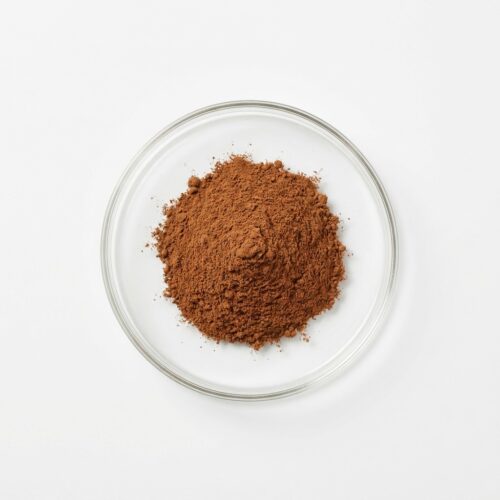
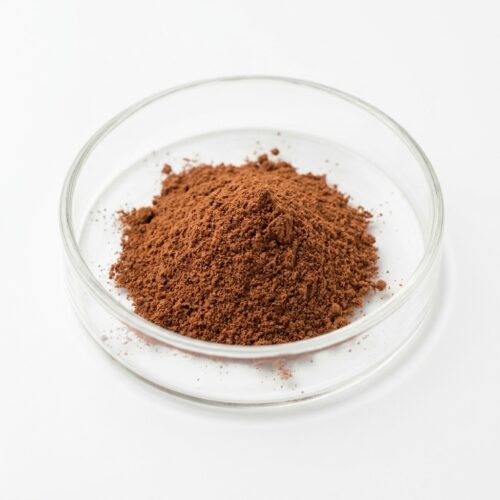
HepaAegis® is designed for manufacturers developing premium liver-support and metabolic wellness formulations. It is positioned around Antrodia cinnamomea, a specialty botanical / fungal ingredient often used in advanced nutraceutical concepts.
HepaAegis® uses a combination of hot-water and alcohol extracts to improve the availability of key compounds, and is standardised for consistency.
Key Positioning
- Branded Antrodia cinnamomea extract
- Positioned for liver health and hepatic wellness concepts
- Suitable for lipid-metabolism and metabolic-support formulations
- Uses hot-water and alcohol extract approach
- Standardized for consistent formulation support
About Antrodia cinnamomea
Antrodia cinnamomea (also called Taiwanofungus camphoratus) is a fungus native to Taiwan that grows wild only on one native camphor tree species. Wild material is scarce, so commercial supply comes from cultivation, which can be on wood, on solid media or in liquid fermentation. These methods give different compositions, so the production method is part of the specification.
Markers
The characteristic compounds are triterpenoids (such as antcins) and polysaccharides. Because HepaAegis® combines water and alcohol extracts, ask for both triterpenoids by HPLC and beta-glucan or polysaccharides with the method. Mushrooms take up heavy metals such as cadmium and lead from their substrate, so ask for heavy metal results on every lot.
Claims
Liver health is a sensitive claim area: claims about treating or protecting the liver are medical claims, and regulators, including the NPRA in Malaysia, watch them closely. Check what your market allows. A related liver-positioned ingredient is Milk Thistle Extract. For HepaAegis® documentation, WhatsApp us.
Halal certification
This ingredient is listed as “HepaAegis” on FC Materials’ Halal certificate (Sijil Pengesahan Halal, MS 1500:2019), issued through the Penang Islamic Religious Council (MAINPP) and the Department of Islamic Development Malaysia (JAKIM). Reference JAKIM.700-2/3/1 105-07/2022, valid until 15 October 2028. Ask us for a copy.
What to ask for on the certificate of analysis
- Species (Latin name) and the part used: fruiting body, mycelium or sclerotium; for mycelium, the growth substrate
- Extraction solvent (water, ethanol or both), extraction ratio and any carrier with its percentage
- Cultivation method (wood, solid media or liquid fermentation)
- Triterpenoids by HPLC and beta-glucan or polysaccharides, with methods
- Loss on drying, heavy metals (lead, arsenic, cadmium, mercury) and pesticide residues
- Microbiology: total plate count, yeast and mould, E. coli, Salmonella
- Batch number, manufacture and retest dates
Reviews
There are no reviews yet.