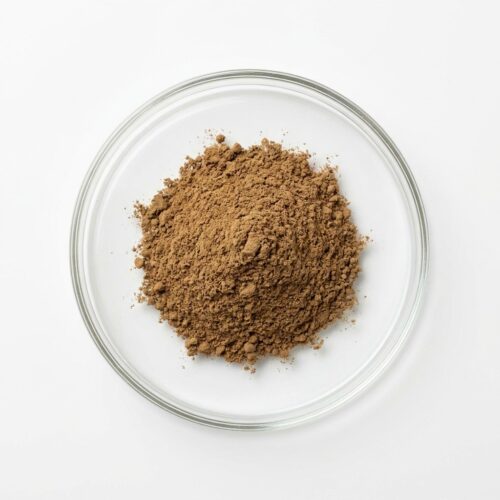
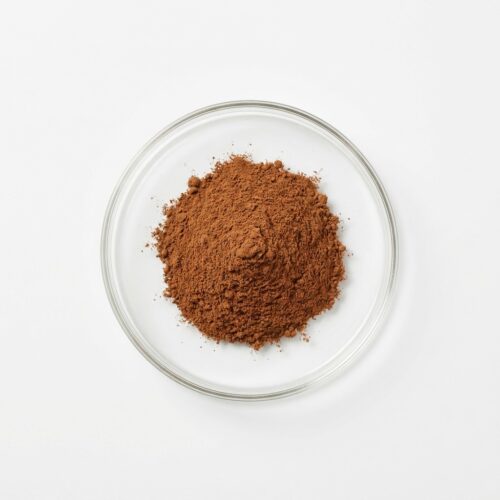
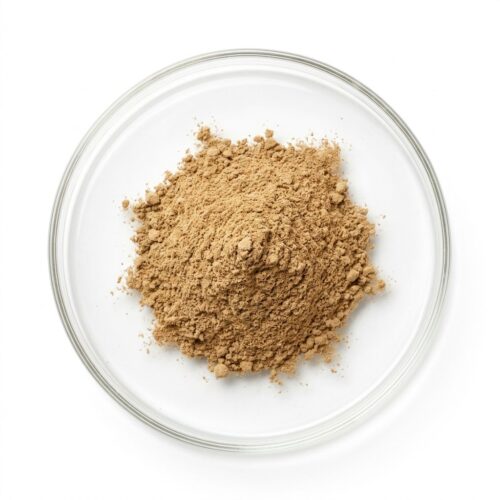
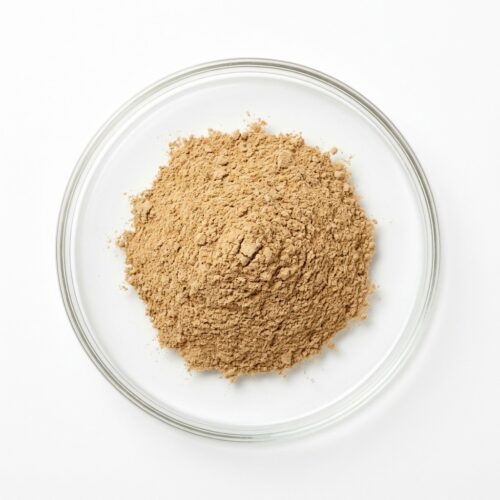
Palmitoyl Ethanolamide (PEA) is an endogenous fatty acid amide produced naturally by the body in response to pain and inflammation. It acts on PPAR-α receptors and indirectly modulates the endocannabinoid system — reducing neuroinflammation, mast cell activation, and chronic pain signalling without psychoactive effects. With over 350 scientific papers and multiple clinical trials, PEA is one of the most evidence-backed natural anti-inflammatory and pain-relief ingredients available.
Applications:
- Chronic pain management and neuropathic pain formulations
- Anti-inflammatory and joint health supplement formulations
- Neuroinflammation and cognitive health support products
- Fibromyalgia and chronic fatigue syndrome supplements
Key Features & Benefits:
- Endogenous — produced naturally by the body, excellent safety profile
- PPAR-α agonist — broad anti-inflammatory mechanism
- Indirect endocannabinoid modulator — no psychoactivity
- No animal substance – halal-certified
- Ultra-micronised forms available for superior bioavailability
What PEA is
Palmitoylethanolamide (PEA, N-(2-hydroxyethyl)hexadecanamide) is a fatty acid amide made from palmitic acid and ethanolamine. The body makes it, and it is found in small amounts in foods such as egg yolk and peanuts. Commercial PEA is usually manufactured from palmitic acid. Because palmitic acid can come from plant or animal fats, ask for its origin and for the halal certificate to cover it.
Particle size is the key specification
PEA is a waxy white powder that is practically insoluble in water. Much of the clinical research used “micronised” or “ultra-micronised” grades, which are defined by particle size. These terms are not standardised, so ask for the particle size distribution (for example D50 and D90) and the method, and compare grades on those numbers rather than on the name.
Formulation and claims
PEA is usually filled into capsules or pressed into tablets; it does not dissolve in drinks. Pain relief and anti-inflammatory effects are medical claims and are not allowed for food supplements in most markets, so check the rules in your market. PEA is sometimes combined with Curcumin or Boswellia Serrata Extract in joint formulas.
What the research says
- A 2025 meta-analysis of 18 randomised trials (1,196 patients) found lower pain scores with PEA than with control at 6, 8 and 24–26 weeks, and better quality of life, across nociceptive, neuropathic and nociplastic pain. The trials covered many different conditions and doses. [1]
- A 2023 meta-analysis limited to 11 double-blind randomised trials (774 patients) also found lower pain scores with PEA, and no major side effects attributed to it. The authors note that its use for chronic pain remains controversial and that the best dose and form still need to be defined. [2]
These summaries describe published research on the ingredient. They are not claims for any finished product; claims on finished products must meet the rules of the market where they are sold.
References
- Viña I, López-Moreno M. Meta-analysis of palmitoylethanolamide in pain management: addressing literature gaps and enhancing understanding. Nutr Rev. 2025;83(7):e1604-e1618. doi:10.1093/nutrit/nuae203
- Lang-Illievich K, et al. Palmitoylethanolamide in the treatment of chronic pain: a systematic review and meta-analysis of double-blind randomized controlled trials. Nutrients. 2023;15(6):1350. doi:10.3390/nu15061350
What to ask for on the certificate of analysis
- Assay of palmitoylethanolamide (%) by HPLC, with the method
- Particle size distribution (D50, D90) and method
- Origin of the palmitic acid (plant or animal) and halal coverage
- Melting range, related substances and residual solvents
- Loss on drying and heavy metals (lead, arsenic, cadmium, mercury)
- Microbiology: total plate count, yeast and mould, E. coli, Salmonella
- Batch number, manufacture and retest dates